


In a market where expectations keep rising, understanding what a modern property manager actually does is no longer just useful but vital. This guide clears up the confusion, showing how professional management supports property value, protects landlord interests, and ensures both tenants and owners can count on reliable, day-to-day solutions.
Table of Contents
- Defining The Role Of A Property Manager
- Essential Skills And Qualifications Required
- Day-To-Day Responsibilities And Core Duties
- Legal Compliance And Regulatory Framework
- Key Challenges And Risk Management Strategies
Key Takeaways
| Point | Details |
| Role of Property Managers | Property managers are vital intermediaries responsible for the effective management of properties, ensuring both tenant satisfaction and compliance with regulations. |
| Essential Skills | A successful property manager must possess strong financial, communication, and problem-solving skills alongside regulatory knowledge to navigate complex landscapes. |
| Legal Compliance | Understanding local and national regulations is crucial, as property managers must ensure adherence to tenancy laws, contractual obligations, and health standards. |
| Risk Management | Effective property management involves implementing risk mitigation strategies, including proactive maintenance and legal education to address operational challenges effectively. |
Defining the Role of a Property Manager
A property manager serves as the critical intermediary between property owners and tenants, responsible for managing residential and commercial properties with precision and professionalism. According to professional standards established by RICS, property managers are entrusted with overseeing residential properties, ensuring statutory compliance, and maintaining effective relationships between landlords and occupants.
The role encompasses a comprehensive set of responsibilities that extend far beyond simple maintenance. Property managers are strategic professionals who handle complex operational tasks such as:
- Rent collection and financial management
- Tenant screening and lease administration
- Property maintenance and repair coordination
- Compliance with local housing regulations
- Managing tenant communications and conflict resolution
Successful property managers must possess a unique blend of interpersonal skills, financial acumen, and operational expertise. They act as the primary point of contact for property owners, handling everything from emergency maintenance requests to long-term investment strategies. Their objective is to maximise property value, ensure tenant satisfaction, and create seamless operational experiences that protect the owner’s financial interests.
Beyond day-to-day management, property managers also play a crucial role in strategic property development. They analyse market trends, recommend potential improvements, and help property owners make informed decisions about their real estate investments. Whether managing a single residential property or a complex commercial portfolio, these professionals are essential in transforming properties from mere assets into well-maintained, profitable investments.
Essential Skills and Qualifications Required
Becoming a successful property manager requires a sophisticated blend of technical knowledge, interpersonal skills, and professional credentials. Key professional competencies span a wide range of abilities, from regulatory understanding to advanced communication techniques. Professionals in this field must demonstrate exceptional organisational capabilities and a nuanced comprehension of complex legal frameworks.
The core skills required for effective property management include:
- Regulatory Compliance: Understanding local and national housing regulations
- Financial Acumen: Proficiency in basic accounting, budgeting, and financial management
- Communication Skills: Ability to interact effectively with tenants, property owners, and maintenance contractors
- Problem-solving: Quick and strategic resolution of property-related challenges
- Legal Knowledge: Comprehensive understanding of landlord-tenant laws and statutory requirements
Professional qualifications play a critical role in establishing credibility and expertise. Most successful property managers pursue specialised educational pathways, including certifications from recognised industry bodies. These programmes typically cover essential areas such as property law, financial management, maintenance strategies, and ethical practice. Advanced certifications can significantly enhance a property manager’s marketability and demonstrate a commitment to professional excellence.

Beyond technical skills, emotional intelligence emerges as a critical differentiator in property management. Successful professionals must navigate complex interpersonal dynamics, mediate conflicts, and maintain professional composure under pressure. They need to balance empathetic communication with firm, procedural decision-making, ensuring both tenant satisfaction and property owner interests are professionally protected. This nuanced approach transforms property management from a transactional role into a strategic, relationship-driven profession.
Day-to-Day Responsibilities and Core Duties
Property managers navigate a complex landscape of daily operational tasks that demand precision, strategic thinking, and multifaceted expertise. Comprehensive property management involves managing individual and block residential properties, requiring professionals to balance multiple responsibilities simultaneously.
The core daily responsibilities encompass several critical areas:
- Financial Management:
- Rent collection and tracking
- Preparation of service charge budgets
- Financial reporting and expense monitoring
- Tenant Relations:
- Screening and selecting potential tenants
- Handling maintenance requests
- Managing tenant communications and conflict resolution
- Operational Oversight:
- Coordinating property maintenance
- Ensuring compliance with health and safety regulations
- Managing insurance and legal documentation
Property managers must adeptly handle administrative tasks while maintaining robust communication channels between property owners, tenants, and various service providers. This requires exceptional organisational skills and the ability to anticipate and proactively address potential issues before they escalate.
Beyond immediate operational tasks, successful property managers develop strategic approaches to property maintenance and value preservation. They conduct regular property inspections, assess maintenance requirements, negotiate with contractors, and implement long-term preservation strategies. Their role extends far beyond simple administration, transforming into a critical function that protects property investments, ensures tenant satisfaction, and maintains the financial and structural integrity of managed properties.
Legal Compliance and Regulatory Framework
Legal compliance forms the foundational backbone of professional property management, requiring an intricate understanding of complex regulatory landscapes. Property managers must meticulously navigate residential landlord and tenant laws, ensuring every operational aspect adheres to statutory requirements and industry standards.
Key legal compliance areas include:
- Tenancy Regulations:
- Drafting legally compliant lease agreements
- Understanding tenant rights and protections
- Implementing fair housing practices
- Contractual Obligations:
- Maintaining accurate documentation
- Protecting both tenant and property owner interests
- Ensuring transparent communication channels
- Regulatory Requirements:
- Health and safety standard adherence
- Proper handling of security deposits
- Compliance with local housing regulations
Professional credentials and licensing represent critical components of regulatory frameworks, with many jurisdictions requiring specific qualifications and ongoing professional development. Some regions mandate comprehensive training programmes, insurance requirements, and periodic certification renewals to ensure practitioners maintain high professional standards.
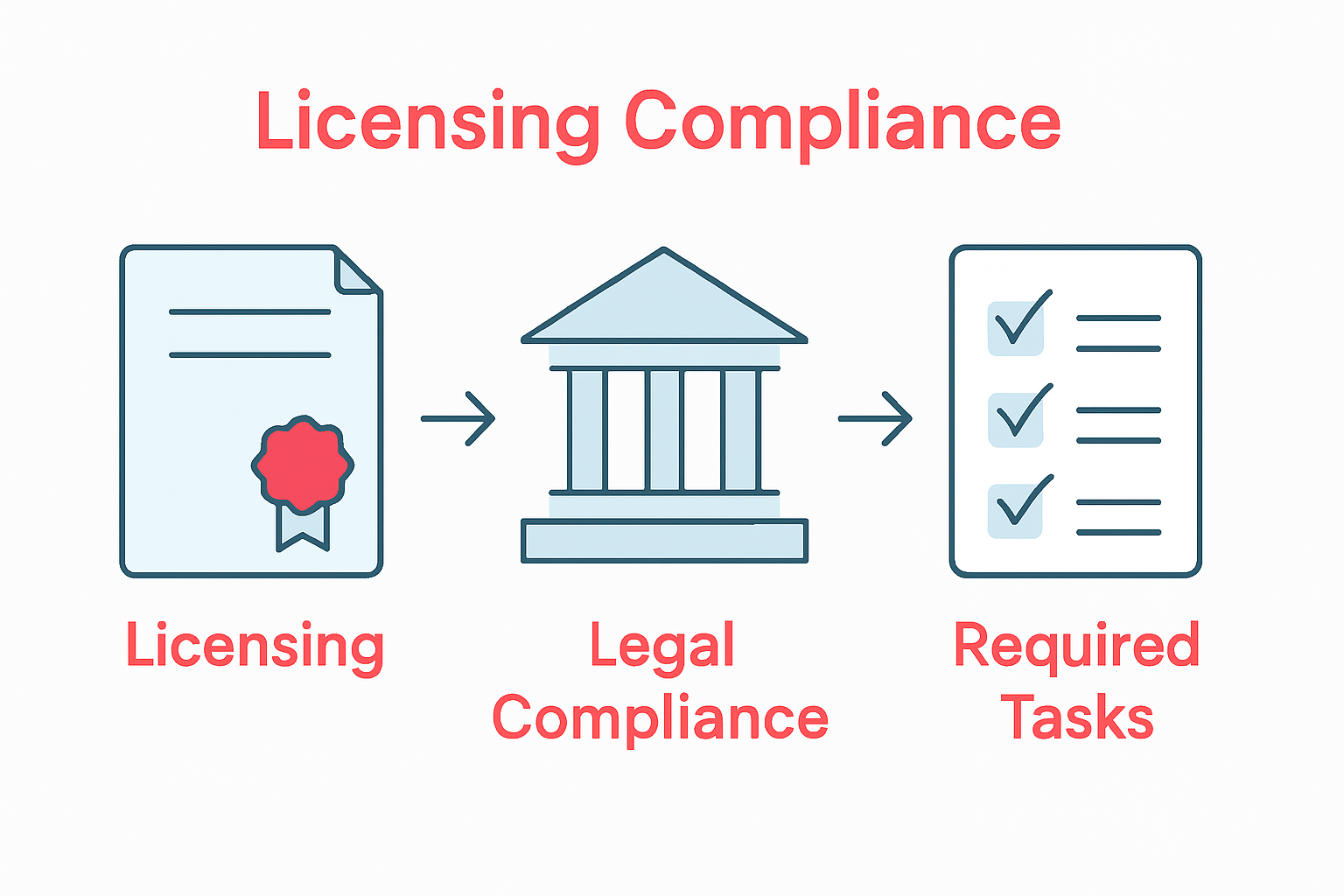
Beyond mere legal adherence, successful property managers view regulatory compliance as a strategic opportunity. By developing robust systems that anticipate and address potential legal complexities, they transform regulatory requirements from potential obstacles into competitive advantages. This proactive approach minimises legal risks, protects stakeholder interests, and establishes a reputation for professional excellence in an increasingly sophisticated property management landscape.
Key Challenges and Risk Management Strategies
Property management presents a complex landscape of challenges that demand sophisticated risk mitigation approaches. Professionals must navigate intricate operational challenges involving tenant satisfaction, regulatory compliance, and operational efficiency, requiring a multi-dimensional strategic framework.
Key risk management strategies encompass several critical domains:
- Financial Risk Mitigation:
- Implementing robust financial screening processes
- Developing comprehensive emergency financial reserves
- Maintaining accurate and transparent financial records
- Operational Risk Management:
- Proactive maintenance scheduling
- Regular property condition assessments
- Developing contingency protocols for unexpected scenarios
- Legal and Compliance Protection:
- Continuous legal education
- Systematic documentation practices
- Staying updated on regulatory changes
Effective risk management requires a holistic approach integrating data analysis, problem-solving, and leadership skills to address potential maintenance issues, tenant disputes, and operational disruptions. Successful property managers develop adaptive strategies that anticipate challenges before they escalate.
Beyond reactive measures, sophisticated risk management involves creating a proactive ecosystem that minimises potential vulnerabilities. This approach transforms potential challenges into opportunities for demonstrating professional expertise, building trust with property owners and tenants, and establishing a reputation for reliable, strategic property management. By developing comprehensive risk assessment frameworks, property managers can convert uncertainty into a competitive advantage, ensuring long-term stability and performance for managed properties.
Unlock Seamless Property Management with Guestly Homes
The path to proficient property management requires juggling complex responsibilities such as tenant relations, regulatory compliance, and financial oversight. If you find yourself challenged by the demanding role of maximising property value while ensuring tenant satisfaction and operational efficiency, Guestly Homes offers a premium solution tailored just for you. Our expertly managed model transforms property management from a time-consuming obligation into a strategic partnership geared for long-term profitability.

Discover how our fully managed service provides hands-off management for property owners who seek consistent, reliable income and brand-leading standards. Whether you prefer a Revenue Share Model for shared success or a predictable Arbitrage Model with fixed rent, Guestly Homes stands as the trusted operator that elevates your property investment. Take the next step towards frictionless property performance by visiting Guestly Homes today and unlock the true potential of your premium properties.
Frequently Asked Questions
What are the primary responsibilities of a property manager?
Property managers are responsible for a range of tasks, including rent collection, tenant screening, property maintenance coordination, compliance with housing regulations, and managing tenant communications and conflicts.
What skills are essential for becoming a successful property manager?
Successful property managers need to possess strong financial acumen, communication skills, problem-solving abilities, regulatory knowledge, and emotional intelligence to navigate tenant relationships and operational challenges effectively.
How important is legal compliance in property management?
Legal compliance is crucial in property management. It involves understanding and adhering to tenancy regulations, maintaining accurate documentation, and implementing fair housing practices to protect the interests of both property owners and tenants.
What are common challenges faced by property managers?
Common challenges include ensuring tenant satisfaction, managing regulatory compliance, maintaining operational efficiency, and addressing unexpected maintenance issues. Property managers must develop proactive strategies to mitigate these risks.