
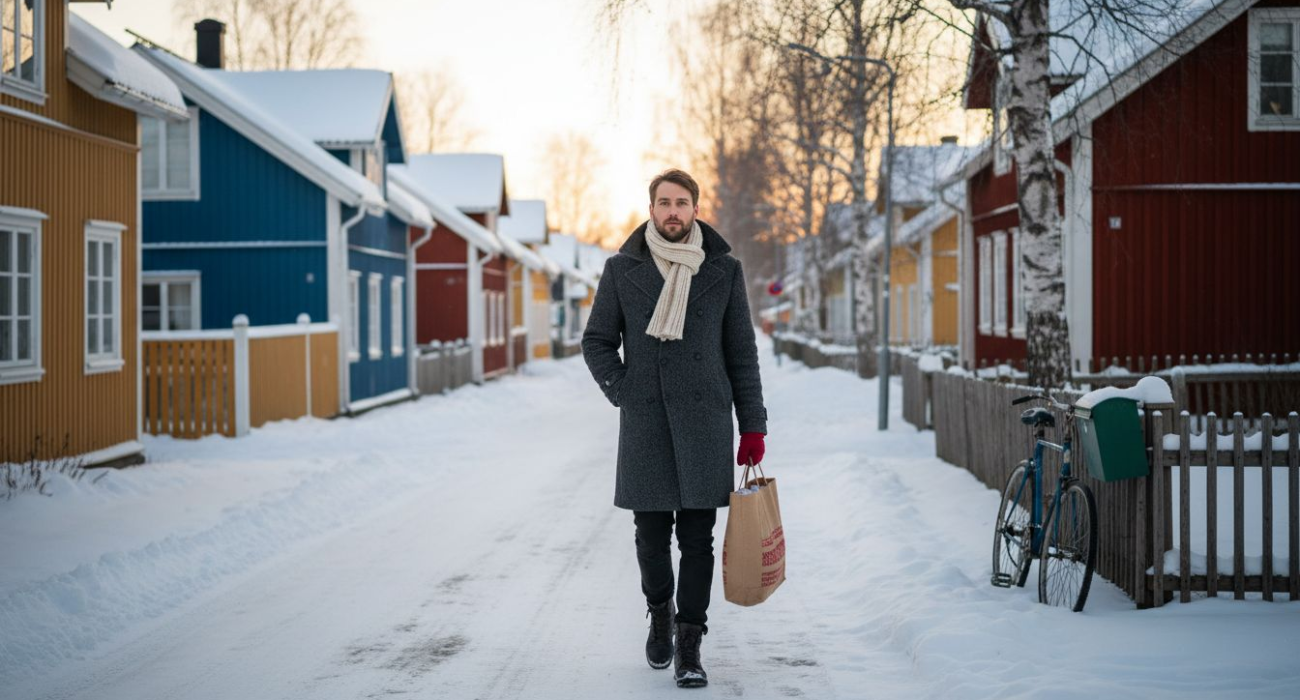

Every successful extended assignment in Northern Sweden begins with understanding the region’s distinct rhythm of life. For HR managers and project coordinators organising team stays in Piteå, Luleå, Boden, or Nyköping, smooth integration depends not only on accommodation quality but also on adaptation to a landscape defined by extreme seasonal light, innovative industry, and resilient communities. This guide equips you to address the unique characteristics of living and working in Northern Sweden, ensuring your team experiences both comfort and seamless transition.
Table of Contents
- Life in Northern Sweden: Core Realities
- Seasonal Shifts: Adapting to Light and Dark
- Housing Standards and Home-Like Living
- Commuting, Groceries, and Staying Active
- Work-Life Rhythm and Social Norms
- Health, Wellbeing, and Productivity Strategies
Key Takeaways
| Point | Details |
|---|---|
| Unique Living Environment | Northern Sweden, particularly Norrland, combines a sparse population with a strong commitment to sustainability and innovation in various sectors. |
| Adapting to Seasonal Changes | Residents must implement strategies for extreme variations in daylight, using routines and light therapy to navigate the Polar Night and Midnight Sun effectively. |
| Holistic Health and Well-being | The region prioritises workplace health promotion, integrating employee well-being into organisational culture as a key driver of productivity. |
| Social Interaction and Professional Culture | Emphasis on work-life balance and social norms, such as ‘fika’, fosters strong professional relationships and enhances overall job satisfaction. |
Life in Northern Sweden: Core Realities
Northern Sweden represents a unique living landscape characterised by resilience, innovation, and deep connection to natural environments. Economic adaptation in peripheral regions defines the core experience of residents navigating complex social and industrial transformations.
The region, known locally as Norrland, presents distinctive characteristics that shape daily life:
- Sparse population distribution across vast geographical areas
- Strong emphasis on sustainable resource management
- Robust commitment to technological innovation
- Unique work-life balance prioritising individual autonomy
Natural Resource Economy underpins much of Northern Sweden’s social infrastructure. Traditional industries like forestry, mining, and renewable energy production remain critical, while emerging sectors such as green technology and digital services are rapidly gaining prominence. These economic dynamics create a complex environment where traditional skills intersect with cutting-edge technological capabilities.
Social structures in Northern Sweden reflect a nuanced blend of collective responsibility and individual independence. Communities demonstrate remarkable adaptability, with local populations actively participating in regional development strategies. Ongoing green transition efforts highlight the region’s commitment to sustainable economic models that balance ecological preservation with technological advancement.
Professional Adaptation requires understanding these unique regional dynamics. Newcomers should expect professional environments that value:
- Collaborative problem-solving approaches
- High levels of digital infrastructure
- Flexible work arrangements
- Emphasis on personal skill development
Pro tip: Research local municipal resources and professional networks before relocating to Northern Sweden to understand specific regional opportunities and community integration strategies.
Seasonal Shifts: Adapting to Light and Dark
Northern Sweden’s geographical position creates extraordinary seasonal light variations that fundamentally transform residents’ daily experiences. The region experiences extreme photoperiods ranging from continuous daylight in summer to prolonged darkness during winter months, challenging traditional notions of day and night.
The unique seasonal dynamics present several distinctive characteristics:
- Polar Night phenomenon with zero direct sunlight
- Midnight Sun periods of continuous daylight
- Dramatic shifts in light exposure throughout the year
- Significant physiological adaptations required by residents
Physiological Adaptation becomes crucial for inhabitants. Extreme photoperiod changes dramatically influence circadian rhythms, melatonin production, and overall metabolic functioning. Residents develop sophisticated strategies to maintain mental and physical well-being during extended periods of darkness or continuous light.
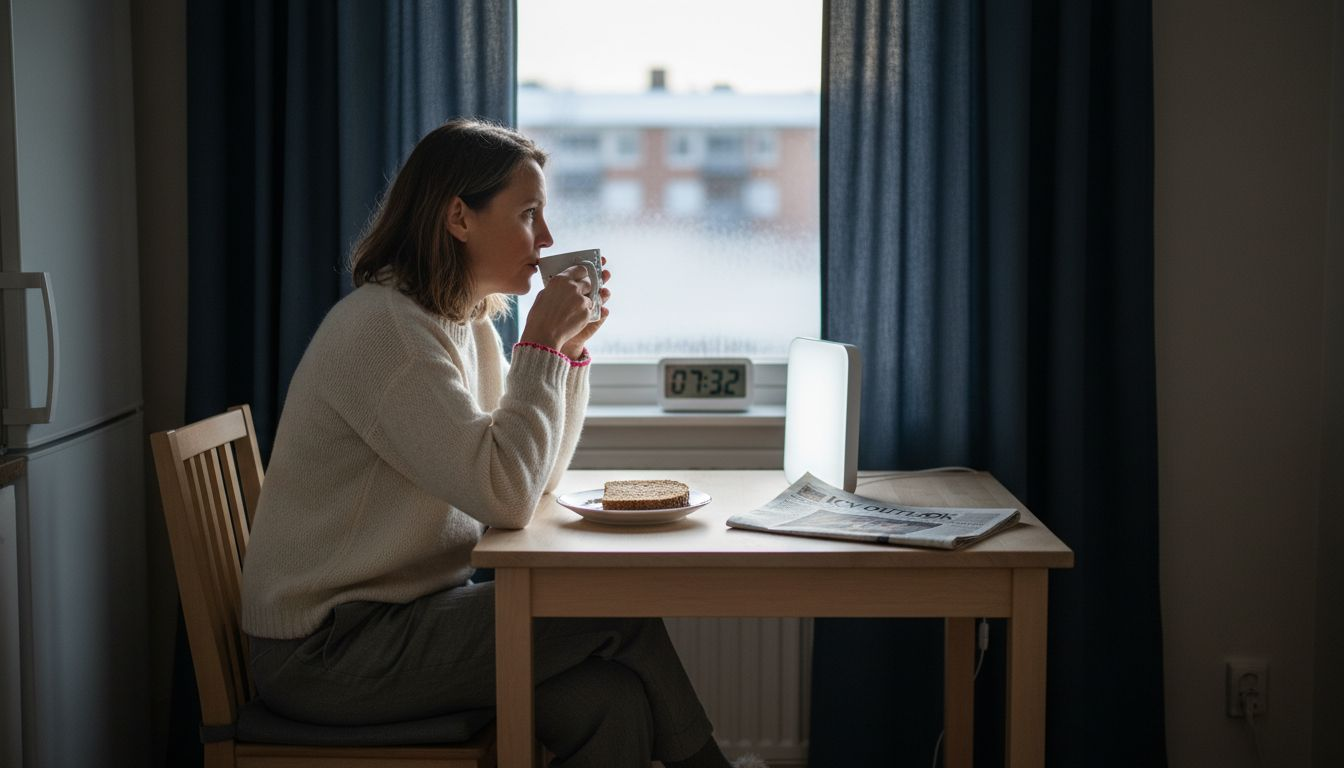
Coping mechanisms vary but typically include structured routines, strategic light exposure, and conscious lifestyle management. Many Northern Swedish residents utilise specialised lighting, maintain consistent sleep schedules, and engage in outdoor activities during available daylight hours to mitigate potential seasonal affective challenges.
Professional and personal life adaptation requires deliberate approaches:
Here’s a summary of how life in Northern Sweden differs between summer and winter:
| Aspect | Summer (Midnight Sun) | Winter (Polar Night) |
|---|---|---|
| Daylight Hours | Up to 24 hours of sunlight | Days with no direct sunlight |
| Outdoor Activities | Extended hiking, festivals | Winter sports, indoor events |
| Mood and Well-being | Higher energy and vitality | Need for light therapy, routine |
| Social Gatherings | Outdoor picnics, barbecues | Cosy indoor gatherings, ‘fika’ |
| Commuting Challenges | Easy travel, cycling focus | Snow management, heated options |
- Implementing consistent sleep hygiene practices
- Using artificial light therapy during dark months
- Maintaining regular exercise and social interactions
- Creating structured daily routines independent of natural light cycles
Pro tip: Invest in high-quality blackout curtains and light therapy devices before arriving to smoothly manage extreme seasonal light variations.
Housing Standards and Home-Like Living
Northern Sweden’s residential landscape is distinguished by innovative housing investment strategies that prioritise sustainability, comfort, and social inclusivity. The region’s approach to housing transcends mere shelter, focusing instead on creating comprehensive living environments that support professional and personal well-being.
The housing ecosystem in Northern Sweden is characterised by several distinctive features:
- Emphasis on energy-efficient design
- Strong municipal ownership and management
- Focus on affordability and social integration
- Commitment to sustainable living principles
Public Housing System plays a crucial role in shaping residential experiences. Swedish housing standards are renowned for their comprehensive approach, ensuring that more than half of rental housing remains municipally owned. This system prioritises social responsibility, providing secure and predictable living conditions that support residents’ holistic needs.
Architectural design in Northern Sweden reflects a nuanced understanding of environmental and social requirements. Homes are crafted to withstand extreme climatic conditions while maintaining aesthetic appeal and functional efficiency. Modern dwellings incorporate advanced thermal insulation, smart home technologies, and flexible living spaces that adapt to changing professional and personal needs.
Key considerations for potential residents include:
To help you prepare for housing in Northern Sweden, here’s a quick reference to key housing features and their benefits:
| Housing Feature | Description | Resident Benefit |
|---|---|---|
| Advanced insulation | Multi-layered, energy-efficient walls | Reduced heating costs |
| Municipal ownership | Managed by local authorities | Stable rent and fair practice |
| Flexible floor plans | Adaptable rooms and spaces | Suits diverse family needs |
| Digital home technology | Smart heating, remote controls | Enhanced comfort and control |
| Sustainable materials | Focus on local and recycled resources | Lower environmental impact |
- Understanding municipal housing allocation processes
- Evaluating energy efficiency ratings
- Assessing proximity to work and essential services
- Exploring flexible rental and ownership models
Pro tip: Connect with local municipal housing authorities early to understand specific regional housing options and potential waiting lists.
Commuting, Groceries, and Staying Active
Northern Sweden offers a distinctive approach to daily mobility and personal wellness, characterised by integrated infrastructure and a holistic perspective on physical activity. Everyday physical movement is deeply embedded in the regional lifestyle, transforming routine activities into opportunities for health and well-being.
Commuting and transportation strategies in the region include:
- Robust public transport networks
- Bicycle-friendly urban and rural infrastructure
- Winter-adapted mobility solutions
- Integrated digital transport planning
Active Living Philosophy transcends traditional exercise paradigms. Physical activity guidelines recommend at least 150 minutes of moderate exercise weekly, but Northern Swedish residents often exceed these recommendations through natural, integrated movement.
Grocery access and shopping experiences are designed for convenience and efficiency. Supermarkets in Northern Sweden typically offer extended hours, online ordering, and home delivery options. Many communities feature local markets and cooperative stores that support regional producers, ensuring fresh, high-quality food supplies even in remote areas.
Staying physically active involves diverse strategies:
- Embracing outdoor activities in all seasons
- Using workplace and community fitness programs
- Walking or cycling for daily transportation
- Participating in local sports and recreational clubs
Pro tip: Invest in versatile winter clothing and a sturdy bicycle to maximise your mobility and active lifestyle in Northern Sweden.
Work-Life Rhythm and Social Norms
Northern Sweden’s professional landscape is distinguished by a profound commitment to balanced working life that prioritises individual well-being alongside organisational productivity. The region’s approach transcends traditional employment models, embedding social welfare principles directly into workplace culture.
Key characteristics of Northern Swedish work environments include:
- Emphasis on flexible working arrangements
- Strong collective bargaining frameworks
- Prioritisation of personal health and mental well-being
- Transparent workplace communication
Social Interaction Rituals play a critical role in professional settings. Swedish cultural practices like ‘fika’ (structured coffee breaks) represent more than simple refreshment—they are deliberate opportunities for informal networking, team building, and maintaining social connections.
Professional boundaries in Northern Sweden are carefully negotiated, with clear distinctions between work and personal time. Employees typically maintain structured yet adaptable schedules that allow for personal development, family commitments, and leisure activities. This approach reflects a broader societal understanding that professional success is intimately linked to overall life satisfaction.
Core social interaction principles include:
- Respecting individual privacy
- Valuing direct but considerate communication
- Promoting workplace equality
- Supporting continuous personal development
Pro tip: Learn and practice the art of ‘fika’ to build genuine professional relationships and understand local social dynamics.
Health, Wellbeing, and Productivity Strategies
Northern Sweden exemplifies a progressive approach to workplace health promotion that integrates individual wellness with organisational performance. The region’s strategies transcend traditional health interventions, viewing employee well-being as a fundamental driver of productivity and social resilience.
Key elements of holistic health strategies include:
- Comprehensive workplace wellness programmes
- Investment in physical activity facilities
- Mental health support systems
- Flexible working environments that prioritise personal balance
Productivity Frameworks in Northern Sweden are deeply rooted in a nuanced understanding of human potential. Well-being research demonstrates that happiness and health are not peripheral considerations but core economic drivers, influencing individual and collective performance.
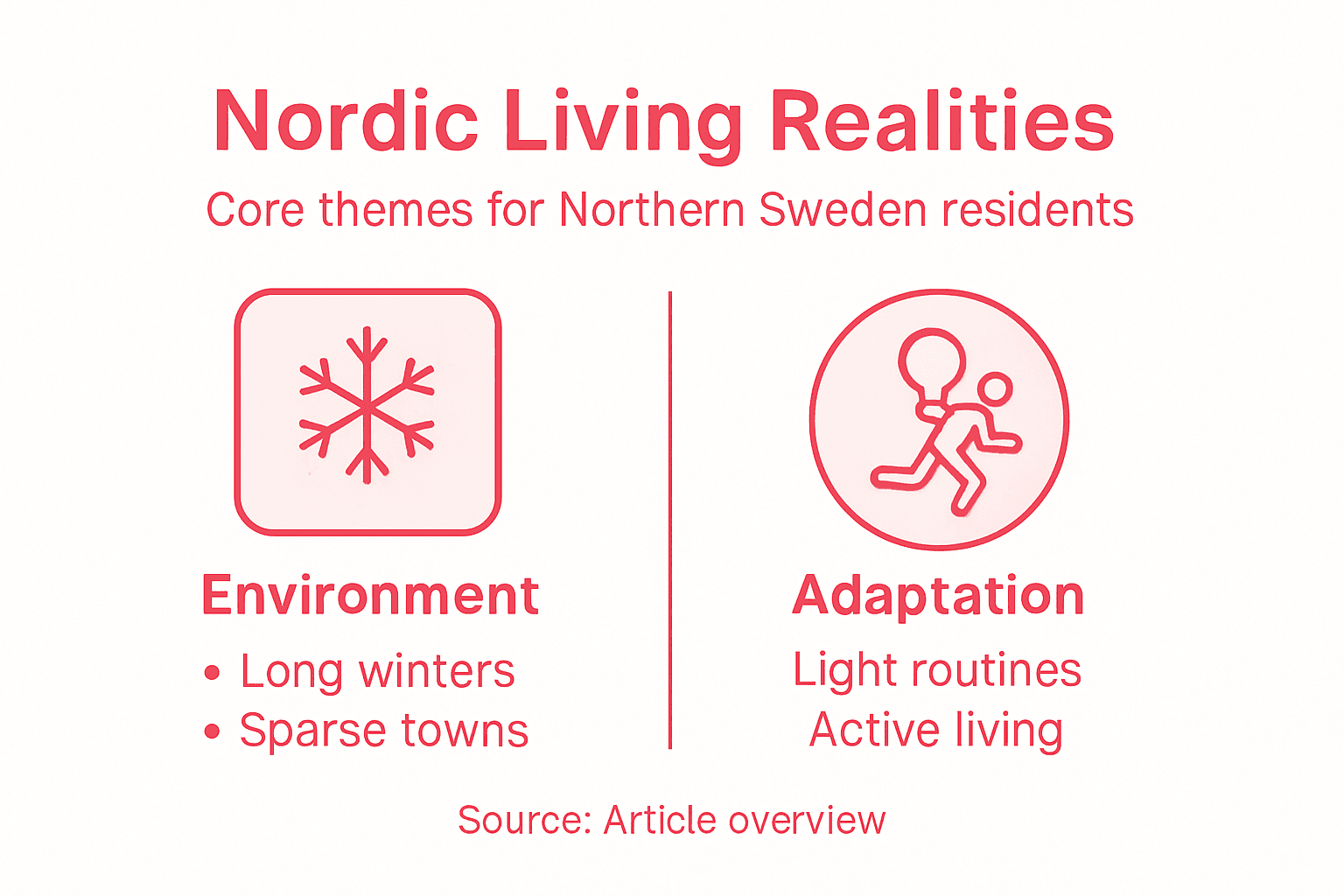
Employers in the region actively design environments that support physical and psychological well-being. This involves creating workspaces that encourage movement, providing mental health resources, and developing organisational cultures that value continuous personal development and holistic health management.
Strategic well-being approaches encompass:
- Regular health screenings
- Stress management workshops
- Ergonomic workplace design
- Personalised health coaching
Pro tip: Engage proactively with your employer’s wellness programmes and view them as investments in your professional and personal development.
Experience Hassle-Free Living Tailored for Northern Sweden
Adapting to the unique realities of Northern Sweden means embracing extreme seasonal shifts, valuing sustainable and well-insulated housing, and maintaining a delicate work-life balance. These challenges require accommodation that supports physical well-being, offers calm and comfort during lengthy stays, and blends seamlessly with your professional and personal needs.
Guestly Homes specialises in premium, fully managed apartments and villas designed specifically for extended stays from 10 nights to 12 months. Whether you are a professional adjusting to the polar night or a project team navigating the demands of flexible working rhythms, our 5-star service ensures a home-like yet effortlessly professional experience. Our homes feature energy-efficient designs, smart technologies, and thoughtful layouts that complement Northern Sweden’s distinctive living conditions.
Discover a stay that supports your performance and peace alike with Guestly Homes.
Explore how we remove hassle and deliver stability so you can focus on thriving in Northern Sweden. Learn more about our fully managed service, find the perfect home tailored to your needs, and let us handle the complexities of long-term living in Nordic environments.
Frequently Asked Questions
What are the key challenges of living in a region with extreme seasonal light variations?
The extreme changes in daylight hours can affect circadian rhythms and overall well-being. Residents often develop coping strategies such as maintaining structured routines, using artificial light therapy, and engaging in outdoor activities during available daylight hours to mitigate the effects of prolonged darkness or continuous light.
How does the housing system in Northern Sweden support residents’ needs?
The housing system focuses on sustainability, comfort, and social inclusion, with a significant proportion of rental properties being municipally owned. This ensures stable rents, affordability, and energy-efficient designs that withstand extreme weather conditions, contributing to a secure living environment for residents.
What types of professional environments can newcomers expect in Northern Sweden?
Newcomers will find collaborative work cultures that prioritise flexible working arrangements, personal skill development, and transparent communication. Workers tend to enjoy a strong emphasis on work-life balance, promoting both individual welfare and professional productivity.
How can residents incorporate physical activity into their daily routines?
Residents are encouraged to engage in integrated movement as part of their daily lives. This includes walking or cycling for transportation, participating in local sports and recreational clubs, and embracing outdoor activities year-round, enhancing overall wellness and physical fitness.