


Over one in five European renters encounter legal confusion during house leases. Understanding your rights and obligations is vital, whether you are signing a new agreement or renewing an existing contract. The rules and expectations can differ significantly, especially for non-Scandinavians interacting with Swedish systems. This guide breaks down the essential facts so you can confidently manage any lease for a residential property.
Table of Contents
- What Is A Lease Agreement For A House?
- Types Of House Lease Agreements In Sweden
- Essential Terms And Legal Framework
- Rights And Responsibilities Of Each Party
- Financial Implications And Common Pitfalls
Key Takeaways
| Point | Details |
|---|---|
| Lease Agreement Definition | A lease agreement is a legally binding contract outlining the terms between a landlord and tenant, detailing rights and responsibilities. |
| Types of Agreements | In Sweden, common lease types include Permanent Contracts, Time-Limited Agreements, and Subletting Agreements, each with unique legal implications. |
| Legal Framework | Swedish rental law provides robust tenant protections, requiring written agreements and justifiable grounds for lease termination by landlords. |
| Financial Management | Effective property leasing requires understanding financial obligations, including accurate rent calculation and managing security deposits to prevent disputes. |
What Is a Lease Agreement for a House?
A lease agreement for a house is a legally binding contract that establishes the terms and conditions between a property owner (landlord) and a tenant who will occupy the residential space. This crucial document outlines the fundamental expectations, rights, and responsibilities for both parties during the tenancy period.
In the Swedish context, residential lease agreements represent a structured approach to property rental. These agreements typically specify critical details such as monthly rental rates, duration of occupancy, security deposit requirements, maintenance responsibilities, and termination conditions. The lease serves as a comprehensive protection mechanism, ensuring clarity and preventing potential misunderstandings between landlords and tenants.
Key components of a robust house lease agreement generally include:
- Tenant Information: Full legal names and contact details of all occupants
- Property Details: Complete address, description of the premises, and included amenities
- Financial Terms: Monthly rent amount, payment schedule, and accepted payment methods
- Lease Duration: Start and end dates, with specifications about renewal options
- Security Deposit: Amount, conditions for full refund, and potential deduction circumstances
- Maintenance Responsibilities: Explicit breakdown of obligations for both landlord and tenant
Understanding these foundational elements helps both property owners and tenants establish a transparent, professional relationship that minimises potential conflicts and provides a clear framework for residential occupancy.
Types of House Lease Agreements in Sweden
Swedish residential leasing offers several distinct agreement types designed to accommodate diverse housing needs and legal requirements. Rental agreements in Sweden are structured to provide flexibility for both tenants and property owners, ensuring comprehensive legal protection and clear expectations.
The primary types of house lease agreements in Sweden include:
- Permanent Contracts (Tillsvidareavtal): These agreements continue until either party provides official notice to terminate. They offer significant tenant protection and are the most common form of residential leasing.
- Time-Limited Agreements (Tidsbegränsade Avtal): These contracts specify a precise duration, typically ranging from six months to several years. Specific lease variations allow landlords to set clear occupancy parameters without indefinite commitment.
- Subletting Agreements (Andrahandskontrakt): These specialised contracts permit existing tenants to rent their property to another party, usually requiring explicit landlord permission and adhering to specific legal guidelines.
- Corporate Leasing Agreements: Tailored for professional environments, these contracts often include additional provisions for corporate housing and extended stay arrangements.
Each agreement type carries unique legal implications and protection mechanisms. Tenants and property owners must carefully understand the specific terms, notice periods, and rights associated with their chosen lease structure to ensure a transparent and mutually beneficial rental relationship.
Essential Terms and Legal Framework
The legal framework governing house lease agreements in Sweden is comprehensive and designed to protect both landlords and tenants. The Rent Act provides a structured approach to residential leasing, establishing clear guidelines for contract formation, tenant rights, and property owner responsibilities.
Key legal considerations in Swedish lease agreements include:
- Written Documentation: Tenants have the right to request a written lease agreement that explicitly outlines all terms and conditions
- Notice Periods: Standard three-month notice required for terminating indefinite lease contracts
- Rent Regulations: Strict guidelines governing rent increases and calculation methodologies
- Tenant Protection: Legal safeguards preventing arbitrary eviction and ensuring fair treatment
The security of tenure represents a fundamental principle in Swedish rental law. This concept ensures that tenants cannot be arbitrarily removed from their residence, providing significant stability and predictability in the housing market. Landlords must demonstrate legitimate legal grounds for termination, such as significant lease violations or intended personal use of the property.

Additionally, the legal framework distinguishes between different types of lease agreements, each with specific rights and obligations. Permanent contracts offer the most robust tenant protections, while time-limited agreements provide more flexibility for property owners. Understanding these nuanced legal distinctions is crucial for both parties to navigate the rental landscape effectively and maintain a mutually respectful housing relationship.
Rights and Responsibilities of Each Party
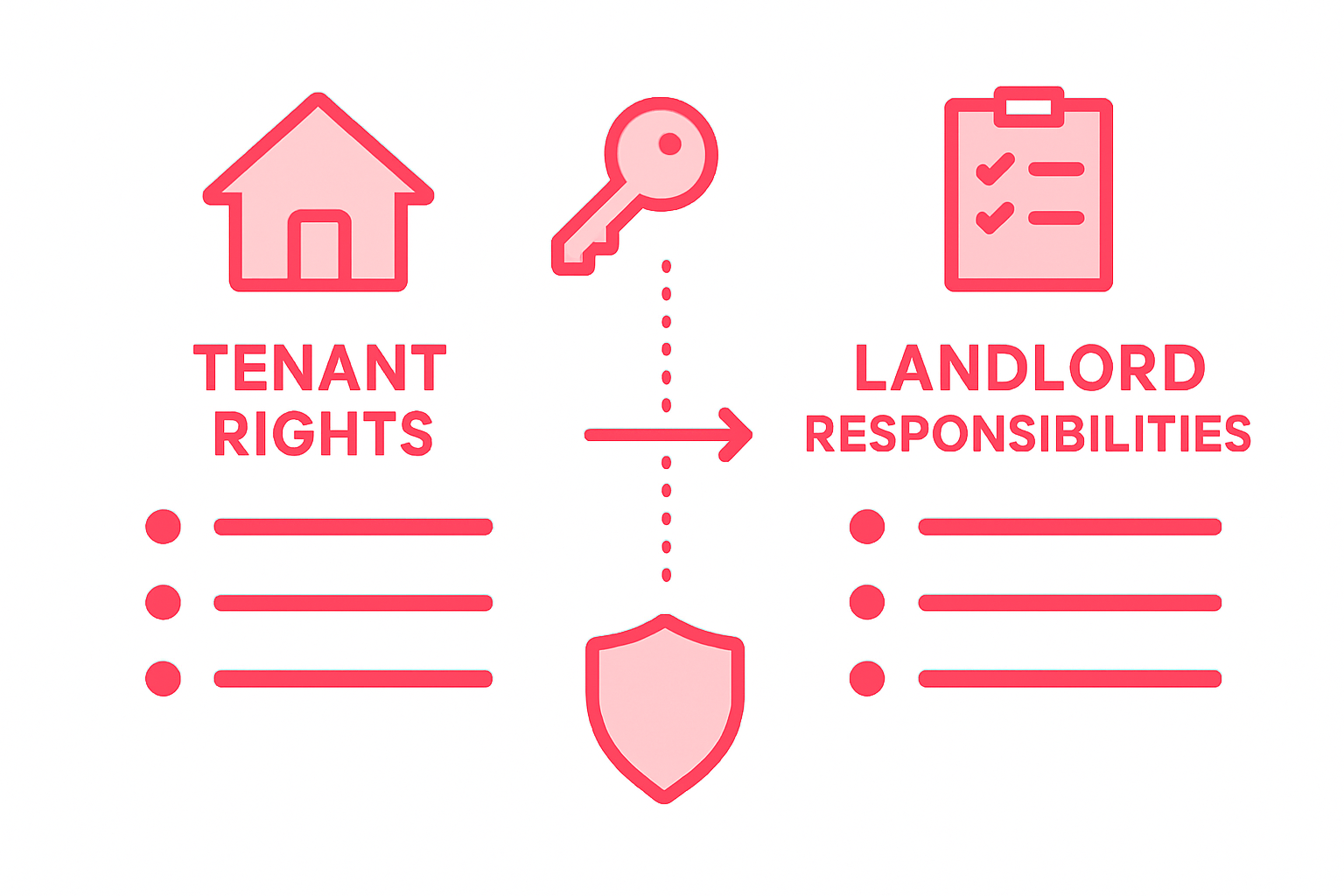
In Swedish residential leasing, the rights and responsibilities of landlords and tenants are clearly defined to ensure a balanced and fair housing relationship. Landlords are legally obligated to maintain properties in excellent condition, providing habitable living spaces that meet stringent quality standards.
Landlord Responsibilities:
- Maintain the property’s structural integrity
- Perform necessary repairs and maintenance
- Ensure basic utilities are functional
- Provide safe and hygienic living conditions
- Respect tenant privacy and provide appropriate notice for inspections
Tenant Responsibilities:
- Keep the property clean and well-maintained
- Report any damages or maintenance issues promptly
- Pay rent consistently and on time
- Adhere to building rules and regulations
- Prevent excessive noise or disruptions
- Avoid causing intentional or negligent property damage
The legal framework for tenant protection ensures that landlords cannot terminate leases without substantial justification. This approach maintains a fair balance, protecting tenants from arbitrary eviction while simultaneously providing landlords with mechanisms to address significant lease violations. Both parties must understand these mutual obligations to foster a respectful and transparent rental relationship.
Financial Implications and Common Pitfalls
Navigating the financial landscape of Swedish house leasing requires careful attention to detail and a comprehensive understanding of potential risks. Digital rental agreements offer significant advantages in mitigating financial uncertainties and establishing clear contractual expectations.
Common Financial Pitfalls to Avoid:
- Inadequate Rent Calculation: Failing to assess market rates accurately
- Incomplete Cost Allocation: Unclear delineation of utility and maintenance expenses
- Insufficient Security Deposit Mechanisms: Poorly structured deposit return protocols
- Unexpected Maintenance Costs: Lack of contingency planning for property repairs
- Tax Compliance Issues: Improper reporting of rental income
Fixed-term lease agreements provide unique financial protections for landlords, allowing automatic contract termination without extensive notice requirements. However, both parties must understand the critical three-month notice periods for premature termination, which can significantly impact financial planning.
Successful property leasing in Sweden demands a proactive approach to financial management. Landlords should maintain comprehensive documentation, understand tax implications, and develop transparent financial frameworks. Tenants, conversely, must budget carefully, anticipate potential additional costs, and maintain open communication about financial expectations to prevent misunderstandings that could lead to costly disputes.
Simplify Your Swedish Lease Experience with Guestly Homes
Understanding the complexities of a lease agreement for a house in Sweden can be overwhelming. Between navigating permanent contracts, security deposits, and legal responsibilities, both property owners and tenants face significant challenges finding stability, clear communication, and hassle-free management. Whether you are concerned about maintaining legal compliance or ensuring consistent income, the key is partnering with a trusted operator who understands these essentials.
Guestly Homes offers a premium solution with fully managed, high-standard homes designed for extended stays across Sweden. We specialise in effortless property management that respects your lease agreements while maximising profitability and ensuring seamless stays. If you want a hands-off approach that honours your lease terms and protects your investment, explore how we help properties earn passively or discover our fully managed service tailored for Swedish property owners. Act now to transform your rental experience with Guestly Homes and secure a partnership that delivers long-term peace of mind.
Frequently Asked Questions
What is a lease agreement for a house?
A lease agreement for a house is a legally binding contract between a landlord and tenant that outlines the terms and conditions of renting a residential property, including rights and responsibilities of both parties.
What types of house lease agreements are common?
Common types of house lease agreements include permanent contracts, time-limited agreements, subletting agreements, and corporate leasing agreements, each catering to different housing needs and legal requirements.
What are the main responsibilities of landlords under a lease agreement?
Landlords are responsible for maintaining the property’s structural integrity, performing necessary repairs, ensuring basic utilities function, and providing safe living conditions while respecting tenant privacy.
What financial considerations should be kept in mind when signing a lease?
Key financial considerations include accurate rent calculation, clear allocation of utility costs, structured security deposit return protocols, and understanding the implications of notice periods for lease termination.
Recommended
- What is a Lease Agreement? Understanding Its Importance – Guestly Homes
- What Is Sublease? Complete Guide for Swedish Owners – Guestly Homes
- Understanding What is a Lease for an Apartment – Guestly Homes
- Property Management Agreement: Complete Guide for Sweden – Guestly Homes
- End-of-Tenancy Cleaning Malta: Checklist to Get Deposit Back
- Commercial Property Law UK: Complete Guide | Ali Legal