


|
Getting your Trinity Audio player ready...
|
Nearly two million british households invest in real estate every year, yet many overlook the complex rules that shape true ownership. Understanding the core principles behind property rights and responsibilities matters for anyone hoping to protect or grow their wealth. This article breaks down what every british property owner should know, from key legal structures to strategies that help avoid common mistakes and unlock smarter investment choices.
Table of Contents
- Core Principles Of Real Estate Ownership
- Types Of Property Ownership Structures
- Owner Responsibilities And Legal Requirements
- Protecting And Growing Your Property Value
- Activating Homes For Professional Rental Markets
- Common Mistakes In Property Management
Key Takeaways
| Point | Details |
|---|---|
| Understanding Ownership Rights | Real estate ownership involves critical rights such as possession, use, and transfer, which are essential for effective property management and investment. |
| Choosing Ownership Structures | Selecting the appropriate property ownership structure impacts legal liability, taxation, and financial strategy, necessitating careful personal consideration. |
| Legal Responsibilities | Property owners must comply with various legal and ethical responsibilities, including maintenance and safety, to safeguard their assets and avoid legal issues. |
| Avoiding Management Pitfalls | Common property management mistakes, such as inadequate tenant screening and poor financial planning, can severely affect profitability and compliance; proactive strategies are essential. |
Core Principles of Real Estate Ownership
Real estate ownership represents a complex legal and financial framework that extends far beyond simply holding a property title. At its core, ownership encompasses a nuanced set of rights, responsibilities, and potential strategies for building long-term wealth. Understanding these fundamental principles is crucial for anyone considering property investment or management.
The legal foundations of property ownership are intrinsically linked to property rights across different jurisdictions, which define the scope and limitations of an owner’s control. These rights typically include:
- Possession: The legal right to occupy and control the property
- Use: Ability to utilise the property for personal or commercial purposes
- Exclusion: Power to prevent others from accessing the property
- Transfer: Capacity to sell, lease, or gift the property to another party
Beyond these foundational rights, modern real estate ownership requires a strategic approach that balances legal compliance, financial planning, and risk management. Successful property owners recognise that ownership is not a static concept but a dynamic process involving continuous evaluation of market conditions, regulatory changes, and potential investment opportunities.
The most effective property ownership strategies integrate multiple considerations, including tax implications, potential rental income, long-term appreciation, and personal financial goals. This holistic approach demands not just legal knowledge, but also a sophisticated understanding of market trends, regional development patterns, and emerging economic indicators that can impact property value and potential returns.
Types of Property Ownership Structures
Property ownership is far from a one-size-fits-all concept, with multiple legal structures designed to accommodate diverse financial goals, personal circumstances, and investment strategies. The landscape of property ownership types reveals a complex array of options that can significantly impact an investor’s financial and legal positioning.
Key ownership structures include:
- Sole Ownership: Complete individual control and responsibility
- Joint Tenancy: Shared ownership with right of survivorship
- Tenancy in Common: Proportional ownership without automatic inheritance rights
- Community Property: Shared marital assets with specific legal implications
- Corporate Ownership: Property held through business entities
- Trust Ownership: Property managed by trustees for specific beneficiaries
Each ownership structure carries unique implications for taxation, legal liability, inheritance, and potential financial flexibility. Historical property tenure patterns demonstrate that ownership models evolve alongside economic and social transformations, reflecting broader shifts in financial systems and societal structures.
The selection of an appropriate ownership structure requires careful consideration of personal circumstances, including individual financial objectives, risk tolerance, potential future life changes, and long-term investment strategies. Professional guidance from legal and financial experts becomes crucial in navigating these nuanced decisions, ensuring that property ownership aligns seamlessly with one’s broader wealth management and personal planning goals.
Owner Responsibilities and Legal Requirements
Property ownership extends far beyond simply holding a title, encompassing a comprehensive set of legal and ethical responsibilities that vary across different jurisdictions. Legal frameworks governing property ownership impose a complex web of obligations that require diligent understanding and proactive management.
Key owner responsibilities include:
- Maintenance: Ensuring the property remains in good structural condition
- Safety Compliance: Meeting building codes and safety regulations
- Tax Obligations: Timely payment of property taxes and related assessments
- Insurance: Maintaining appropriate property and liability coverage
- Environmental Standards: Adhering to environmental protection regulations
- Tenant Rights: Respecting legal protections for occupants
Variations in property ownership regulations reflect fundamental differences between civil law and common law traditions, creating a nuanced landscape of legal requirements. These variations mean that property owners must remain vigilant about local and regional legal specificities that can significantly impact their ownership rights and responsibilities.
Navigating these responsibilities requires a proactive approach, combining thorough legal knowledge, financial planning, and a commitment to ongoing education. Successful property owners invest time in understanding the intricate legal landscape, seeking professional guidance when necessary, and maintaining a comprehensive approach to property management that balances legal compliance with strategic financial planning.

Protecting and Growing Your Property Value
Property value protection requires a multifaceted strategy that goes beyond simple maintenance and traditional investment approaches. Collaborative housing models demonstrate innovative pathways to sustainable property value enhancement, offering property owners sophisticated mechanisms for long-term asset growth.
Key strategies for property value protection include:
- Strategic Renovations: Targeted improvements with high return on investment
- Regular Maintenance: Proactive upkeep to prevent value depreciation
- Location Analysis: Understanding neighbourhood development trends
- Energy Efficiency Upgrades: Implementing sustainable improvements
- Diversified Income Streams: Exploring rental and alternative revenue models
- Professional Property Management: Leveraging expert oversight
Alternative ownership approaches reveal that innovative property management can mitigate speculative risks while creating more stable, sustainable value appreciation. This requires a holistic approach that balances financial objectives with broader community and environmental considerations.
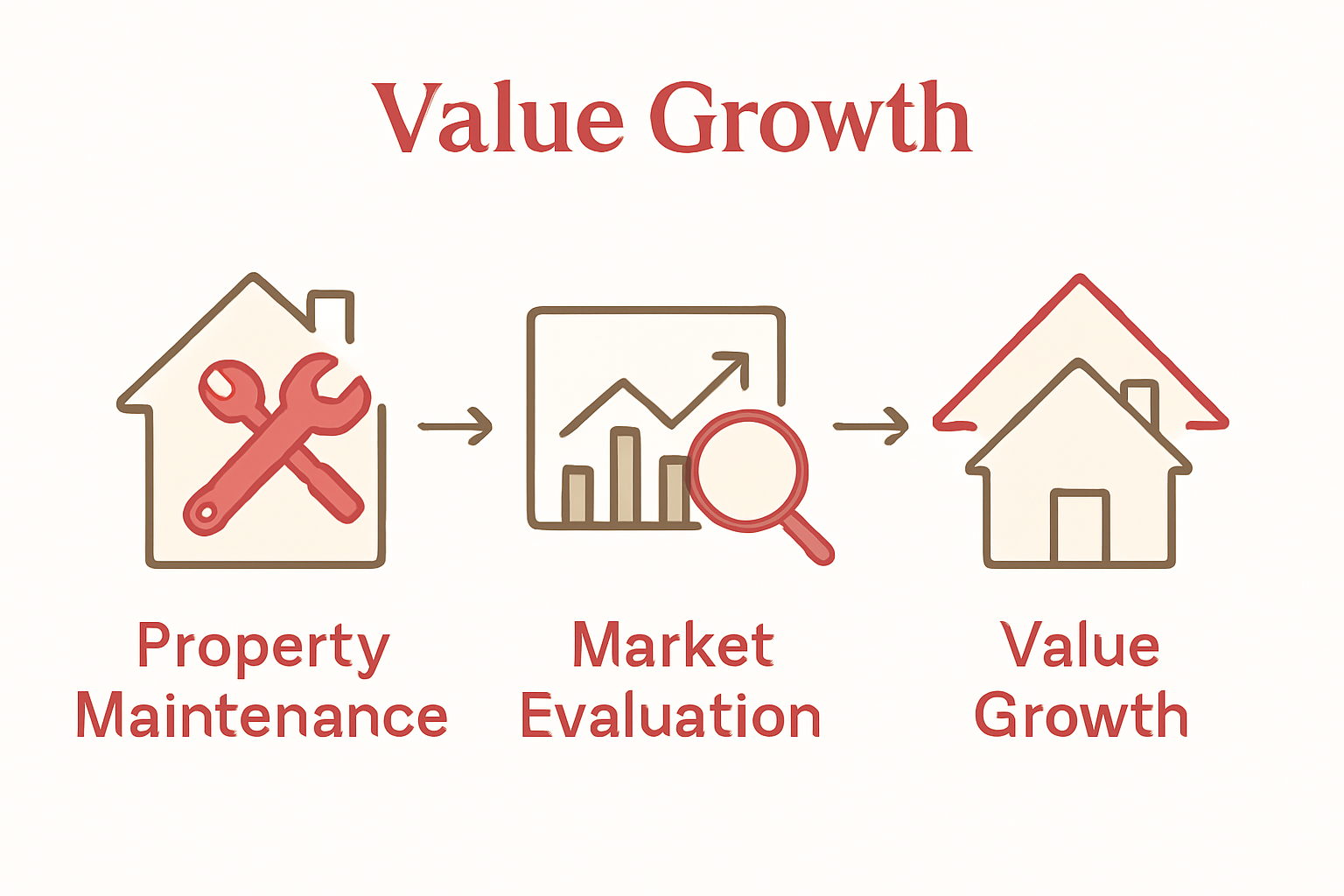
Successful property value protection demands continuous learning, adaptability, and a forward-thinking mindset. Property owners must remain informed about market dynamics, technological advancements, and shifting demographic trends that can significantly impact long-term property valuation. By combining strategic investments, proactive maintenance, and an understanding of broader economic contexts, property owners can create resilient assets that not only preserve but actively grow in value over time.
Activating Homes for Professional Rental Markets
Transforming a property into a professional rental asset requires strategic planning and a sophisticated understanding of market dynamics. Cooperative housing models demonstrate innovative approaches to maximising property potential within professional rental markets, offering property owners sophisticated strategies for generating sustainable income.
Key considerations for activating homes include:
- Market Positioning: Identifying target professional tenant segments
- Space Optimisation: Designing flexible living environments
- Technology Integration: Implementing smart home features
- Professional Staging: Creating environments that appeal to corporate clients
- Compliance Readiness: Meeting professional rental standards
- Performance Metrics: Establishing clear occupancy and revenue benchmarks
Successful property activation demands a holistic approach that balances financial objectives with tenant experience. Types of revenue models can provide property owners with multiple strategies for generating consistent income while maintaining property value. Professional rental markets require owners to think beyond traditional residential approaches, creating spaces that simultaneously meet functional requirements and deliver exceptional living experiences.
Navigating the professional rental landscape requires continuous adaptation, market intelligence, and a willingness to invest in property improvements. By understanding emerging workplace trends, technological advancements, and evolving professional mobility patterns, property owners can transform their assets into highly desirable, high-performance rental properties that consistently attract premium tenants and generate stable returns.
Common Mistakes in Property Management
Property management requires nuanced understanding and strategic approach, with numerous potential pitfalls that can significantly impact financial performance and legal compliance. Inexperienced property owners often underestimate the complexity of effective property management, leading to costly errors that can compromise asset value and potential income streams.
Frequent property management mistakes include:
- Inadequate Tenant Screening: Failing to conduct comprehensive background checks
- Poor Maintenance Scheduling: Neglecting preventative maintenance and repairs
- Improper Financial Planning: Underestimating ongoing operational costs
- Inconsistent Documentation: Lacking robust legal and financial record-keeping
- Ineffective Communication: Failing to establish clear tenant-owner protocols
- Regulatory Non-Compliance: Overlooking local housing and taxation regulations
Complex property rights frameworks demand meticulous attention to legal nuances that vary across different jurisdictions. Property managers must develop a sophisticated understanding of local regulations, taxation requirements, and tenant protection laws to avoid potential legal complications and financial penalties.
Successful property management requires continuous learning, professional development, and a proactive approach to risk mitigation. By understanding common pitfalls, implementing robust systems, and seeking expert guidance when necessary, property owners can transform potential challenges into opportunities for sustainable asset growth and consistent income generation.
Enhance Your Property Ownership Experience with Guestly Homes
Navigating the complex world of real estate ownership requires more than just understanding legal rights and responsibilities. Whether you aim to protect and grow your property value or activate your asset for professional rentals, the challenges detailed in “The Essential Guide to Real Estate Ownership 2026” are real and demanding. Balancing maintenance, compliance, tenant management, and strategic value growth can overwhelm even experienced owners.
At Guestly Homes, we address these needs with fully managed, premium services designed specifically for property owners seeking stable income and hands-off management. Our expertise ensures your property is not just maintained but optimised for long-term profitability through our Revenue Share Model and Arbitrage Model. We handle everything from property activation to guest experience, allowing you to enjoy consistent returns without the usual headaches of property management.

Discover how Guestly Homes can transform your ownership challenges into opportunities by visiting Guestly Homes today. Secure a partnership that brings confidence, clarity, and control to your property journey.
Frequently Asked Questions
What are the key rights associated with real estate ownership?
Real estate ownership typically includes rights such as possession, use, exclusion, and transfer of the property. These rights allow owners to occupy, utilise, prevent access to, and transfer ownership of their property.
What are the different types of property ownership structures?
Common property ownership structures include sole ownership, joint tenancy, tenancy in common, community property, corporate ownership, and trust ownership. Each structure has unique implications for taxation, legal liability, and inheritance.
What responsibilities do property owners have?
Property owners must maintain their property, comply with safety regulations, pay property taxes, maintain insurance, adhere to environmental standards, and respect tenant rights. These responsibilities vary depending on local laws and regulations.
How can property owners protect and grow their property value?
To protect and grow property value, owners can implement strategic renovations, conduct regular maintenance, analyse location trends, improve energy efficiency, diversify income streams, and consider professional property management. Staying informed about market dynamics is also essential.