

|
Gör din Trinity Audio-spelare redo...
|
TL;DR:
- Micro-location factors significantly influence property performance beyond broad area location.
- Consistent maintenance and high-quality amenities drive higher occupancy and guest satisfaction.
- Active, disciplined management is essential for maximizing rental returns and maintaining standards.
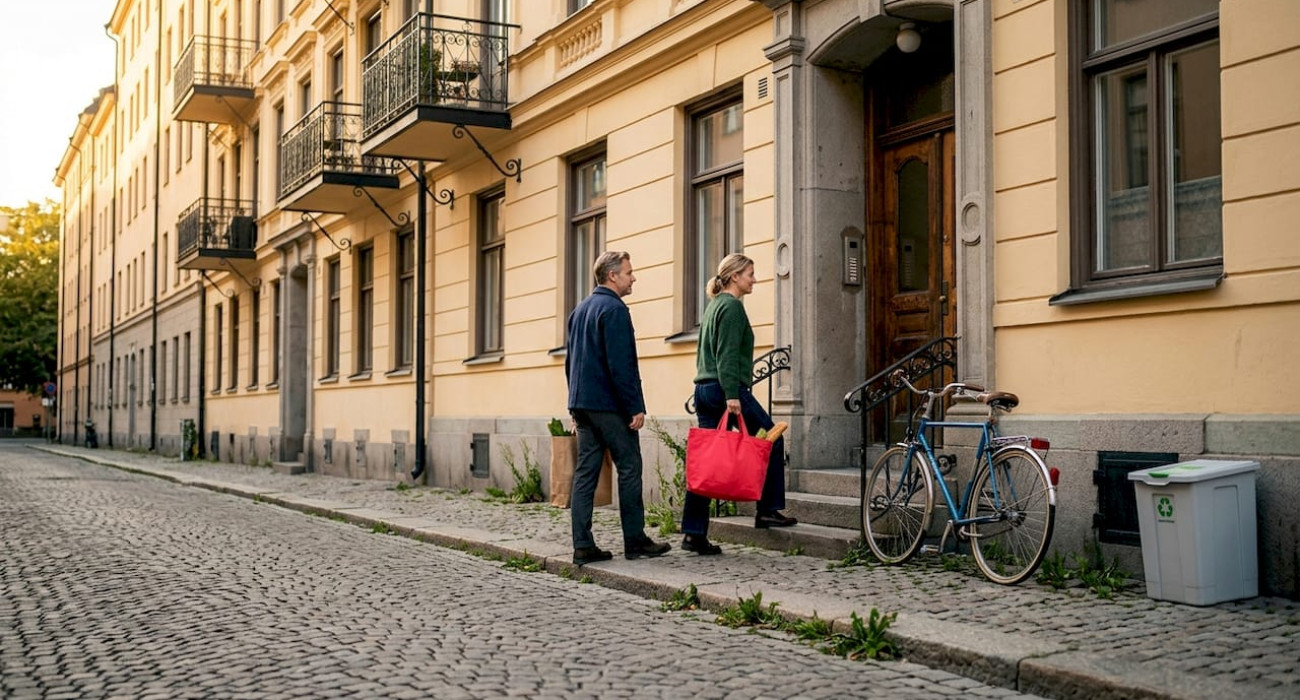
Two premium properties sit on the same street in Stockholm. Same size, similar finishes, comparable asking price. Yet one commands a 90% occupancy rate and a strong monthly return, while the other sits half-empty and generates complaints. If you own a premium rental in Sweden, this scenario should prompt a serious question: what is actually driving the gap? The answer is rarely location alone. It lies in a combination of micro-location advantages, property condition, amenity quality, and operational discipline, all of which are within your control.
Innehållsförteckning
- Understanding micro-locations and their hidden impact
- The power of property condition and ongoing maintenance
- Amenities and experience: setting your property apart
- Property management and operational excellence
- What most owners miss about outperforming rentals
- Take your premium rental to the next level with Guestly Homes
- Frequently asked questions
Viktiga slutsatser
| Punkt | Detaljer |
|---|---|
| Micro-location matters | Small differences within a neighbourhood can make one property outperform another next door. |
| Condition drives profit | Keeping a property in top shape can turn losses into strong financial returns. |
| Amenities set you apart | Offering the right amenities attracts premium guests and boosts your booking rates. |
| Management is a lever | Active, guest-focused management brings higher occupancy and glowing reviews. |
| Continuous improvement wins | Small, regular enhancements build lasting rental success more than big one-off changes. |
Understanding micro-locations and their hidden impact
Location is the first thing most owners mention when explaining their property’s performance. But “location” is too broad a concept to be genuinely useful. What matters far more is micro-location: the specific, small-scale characteristics of where your property sits within a neighbourhood. These are the details that guests feel before they can articulate them.
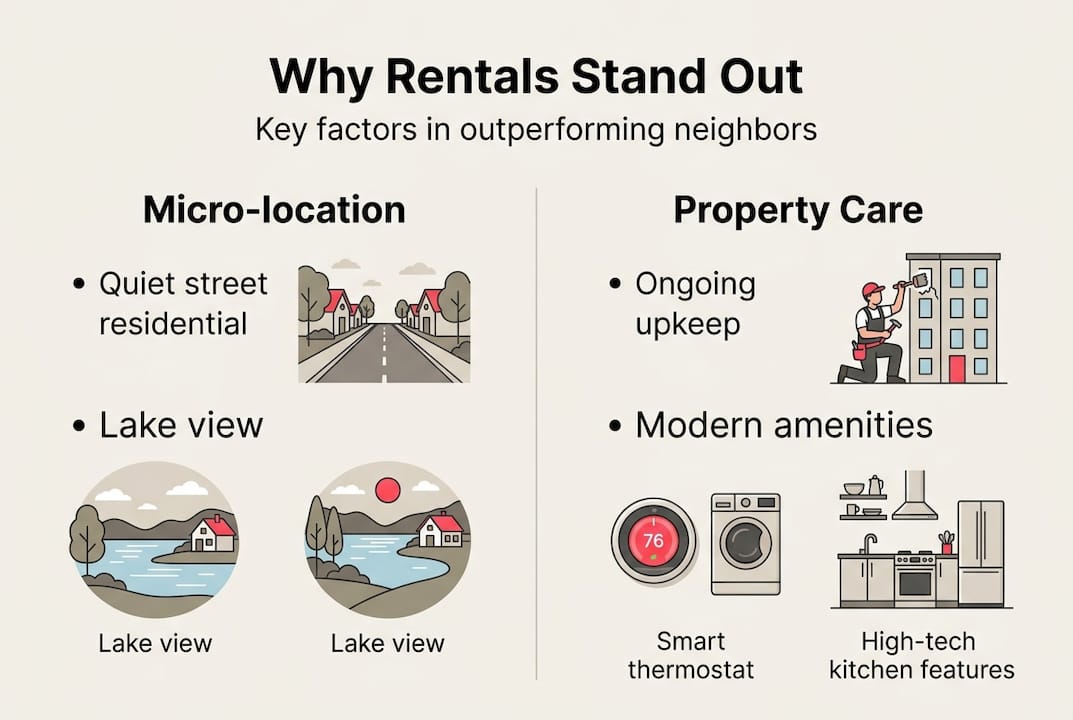
Micro-location includes factors such as:
- Street-level noise (a busy road versus a quiet residential lane)
- Proximity to green spaces, lakes, or walking routes
- Access to public transport and how walkable the immediate area is
- Views from the property, including whether windows face a car park or a garden
- Privacy and separation from neighbouring buildings
- Natural light throughout the day
Two properties in the same postcode can have dramatically different micro-location profiles. One might sit at the end of a quiet cul-de-sac with a south-facing terrace and a lake view; the other might face a busy road with limited natural light. As research on micro-location value shows, property-specific factors including condition, amenities, and management drive performance differences even within the same area.
For premium guests, particularly executives and professionals on extended stays, these details are not trivial. They are choosing a home, not just a bed. A property with a calm, well-positioned setting can command higher nightly rates and attract longer bookings. Understanding how to leverage increasing rental value through micro-location is one of the most underused strategies available to Swedish property owners.
Pro Tip: Write down every micro-advantage your property has, including a quiet street, a lake view, proximity to a train station, or a private garden, and make sure these features are prominently described in your listing and communicated to guests before arrival.
The power of property condition and ongoing maintenance
Micro-location is a strong foundation, but it cannot compensate for a property that feels tired, worn, or poorly maintained. Premium guests have high expectations, and a single broken appliance or an outdated bathroom can be enough to trigger a negative review, a shortened stay, or a lost repeat booking.
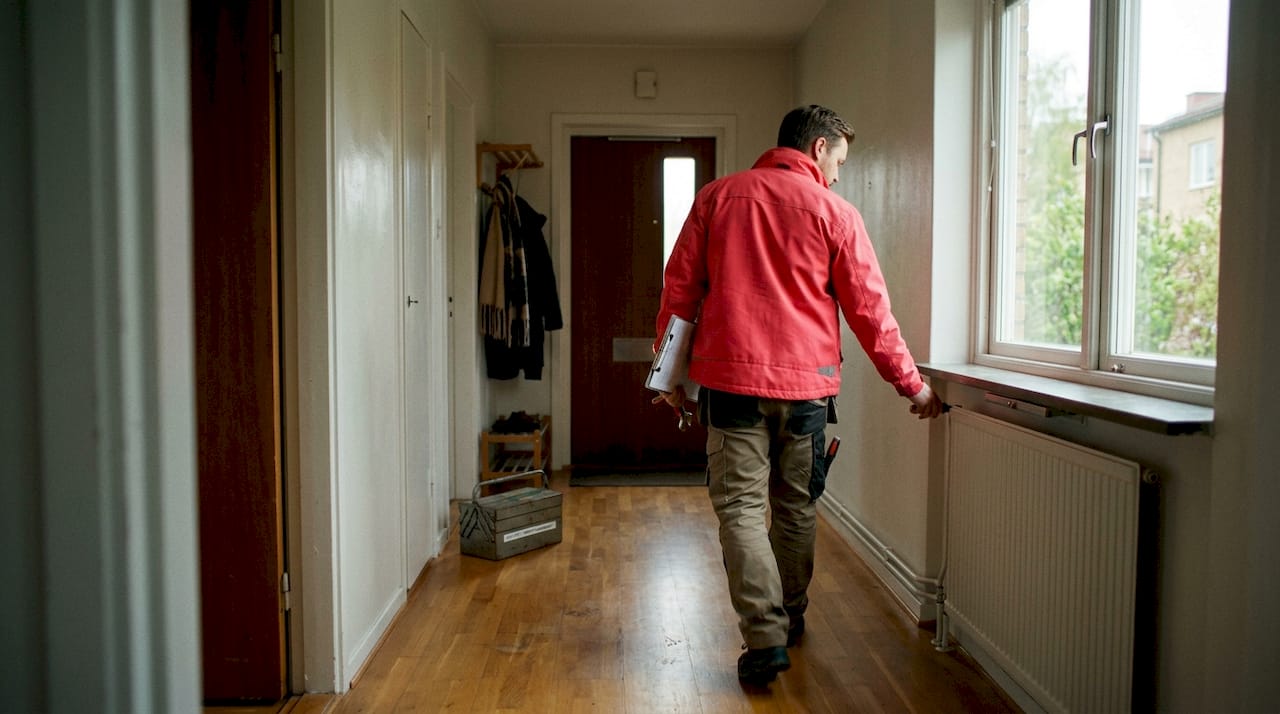
The financial consequences of neglect are stark. A case study from Enköping illustrates this clearly: a neglected luxury property sat vacant for six months and generated a return on investment of negative 5%. After targeted renovation and a structured maintenance programme, the same property achieved full occupancy and a 14% ROI. That is a 19-percentage-point swing driven almost entirely by condition.
| Metric | Before renovation | After renovation |
|---|---|---|
| Occupancy rate | Low (6 months vacant) | Full occupancy |
| Return on investment | Negative 5% | Positive 14% |
| Guest satisfaction | Poor | Hög |
| Review score | Below average | Stark |
The essential maintenance tasks for a premium Swedish rental include:
- Appliance checks every quarter, covering white goods, heating systems, and electronics
- Bathroom and kitchen inspections for wear, leaks, and cosmetic deterioration
- Outdoor space upkeep, including decking, garden furniture, and lighting
- Soft furnishing replacement on a rolling cycle, typically every two to three years
- Prompt response to any guest-reported issue, ideally within 24 hours
What separates top-performing properties is not a single large renovation. It is the discipline of consistent, small-scale maintenance. Guests notice when a property has been genuinely cared for. They notice the freshly laundered cushions, the functioning extractor fan, and the absence of scuff marks on the walls. These details signal quality and build trust.
Following a structured property maintenance checklist is one of the most practical steps you can take to protect your investment and maintain the standard that premium guests expect.
Pro Tip: Schedule quarterly inspections and always act on guest feedback, even when the issue seems minor. A guest who mentions a dripping tap is giving you a free quality audit. Ignoring it is a missed opportunity.
Amenities and experience: setting your property apart
A well-located, well-maintained property still needs the right features to stand out in a competitive market. For premium guests, amenities are not optional extras. They are part of the core value proposition. Getting this right can be the difference between a good listing and a consistently booked one.
Premium guests in Sweden typically expect:
- High-speed, reliable Wi-Fi (at least 100 Mbps, clearly stated in the listing)
- A fully equipped, modern kitchen with quality appliances and sufficient cookware
- Comfortable, hotel-grade bedding and ample storage
- Outdoor space that is genuinely usable, whether a terrace, garden, or lake access
- Flexible check-in and check-out arrangements that respect their schedule
- Local welcome touches, such as a curated guide to the area or a small welcome gift
The table below compares two example properties in the same Swedish town, illustrating how amenity differences translate directly into guest experience and income.
| Funktion | Fastighet A | Fastighet B |
|---|---|---|
| Wi-Fi speed | 50 Mbps, unreliable | 300 Mbps, fibre |
| Kitchen quality | Basic, older appliances | Modern, fully equipped |
| Utrymme utomhus | Small balcony, no furniture | Private garden, lake view |
| Check-in flexibility | Fixed 3pm only | Flexible, keyless entry |
| Welcome experience | Ingen | Local guide and welcome basket |
| Average guest rating | 3.8 / 5 | 4.9 / 5 |
| Average nightly rate | SEK 1,800 | SEK 2,600 |
Property B earns 44% more per night and receives far better reviews, despite being in the same location. The gap is created entirely by the amenity and experience layer.
“Condition, amenities, and management drive performance differences even within the same area.” PIMCO Prime Real Estate
Small changes can have an outsized impact. Flexible check-in, for instance, costs nothing but removes a significant friction point for travelling professionals. A welcome basket with local produce signals care and sets the tone for the entire stay. These touches build loyalty, generate positive reviews, and justify higher rates. Exploring strong property marketing ideas can also help you communicate these advantages to the right audience effectively.
Property management and operational excellence
You can have the best micro-location, a beautifully renovated property, and a strong amenity set, and still underperform if the operational side is weak. Management quality is a performance lever in its own right, and it is the area where the gap between good and great properties is often most visible.
Top-performing premium rentals in Sweden share several operational characteristics. They respond to guest enquiries quickly, typically within a few hours. They maintain consistent cleaning standards between every stay, without exception. They monitor and respond to guest reviews, both positive and negative, in a way that demonstrates professionalism. And they build relationships with local service providers to resolve issues fast when they arise.
Here is a structured approach to operational excellence for premium Swedish rentals:
- Establish a cleaning standard and document it. Every clean should follow the same checklist, regardless of who carries it out.
- Set a response time target for guest communications and stick to it. Ninety minutes or less is a reasonable benchmark for premium properties.
- Create a maintenance log so that recurring issues are tracked and addressed systematically, not reactively.
- Monitor your review scores across all platforms weekly. Identify patterns in negative feedback and act on them within one booking cycle.
- Build a trusted local network of cleaners, handymen, and emergency contacts who understand your standards and can respond quickly.
- Review your pricing strategy monthly. Static pricing leaves money on the table during high-demand periods and can reduce occupancy during quieter months.
The risks of passive ownership are real. Owners who take a set-and-forget approach often see their ratings drift downward over time, which reduces visibility on booking platforms and makes it harder to justify premium pricing. As property management tips consistently show, active management is not optional at the premium end of the market.
Working with a professional local manager or operator can also make a significant difference. The right partner brings systems, relationships, and experience that most individual owners cannot replicate alone. Understanding the link between property management and returns is essential for any owner serious about long-term performance.
What most owners miss about outperforming rentals
Here is the uncomfortable truth that most property guides avoid: the majority of underperforming premium rentals are not failing because of bad luck or a difficult market. They are failing because their owners are thinking like property investors rather than hospitality operators.
Investors think about assets. Operators think about experiences. The distinction matters enormously. An investor sees a bathroom renovation as a cost. An operator sees it as the thing that determines whether a guest books again, leaves a five-star review, or recommends the property to a colleague. Both perspectives are valid, but only one of them drives consistent outperformance.
The owners who generate the strongest returns treat every detail as an opportunity to optimise. They read their guest reviews not as feedback to manage but as data to act on. They notice when a particular amenity is mentioned repeatedly in positive reviews and invest in it further. They notice when a small operational failure keeps appearing and fix it permanently. This is not perfectionism. It is discipline.
The most common mistakes among underperforming owners are predictable: over-reliance on location as a substitute for effort, deferred maintenance that compounds over time, and a passive approach to management that allows standards to slip gradually. None of these are irreversible, but all of them require a deliberate decision to change.
Strategies for better returns consistently point to the same conclusion: consistent, incremental improvement outperforms one-off investments. A property that improves by 5% across ten dimensions will outperform a property that makes one large upgrade and then stagnates.
Pro Tip: Treat your guest reviews as your most valuable source of actionable data. Read every review carefully, identify the three most frequently mentioned positives and negatives, and build your next quarter’s improvement plan around them.
Take your premium rental to the next level with Guestly Homes
The principles covered in this article are not theoretical. They are the operational foundations that Guestly Homes applies across every property in its portfolio, with measurable results for owners across Sweden.
If you want to see what these principles look like in practice, the modern luxury villa with lake view and the 4BR grand villa with garden are strong examples of how micro-location advantages, premium amenities, and active management combine to deliver consistently high performance. Both properties demonstrate that the gap between average and exceptional is not about luck. It is about execution.
If you own a premium property in Sweden and want to understand how a fully managed partnership could improve your occupancy, your guest ratings, and your long-term returns, Guestly Homes is ready to have that conversation. The next step is straightforward: reach out, share your property details, and let us show you what structured, expert management can achieve.
Frequently asked questions
How much does property maintenance affect occupancy rates?
Well-maintained properties see significantly higher occupancy, and targeted renovations can shift a property from extended vacancy to full bookings. As demonstrated in one Swedish case study, ROI moved from negative 5% to positive 14% after structured maintenance and upgrades were applied.
What are micro-location factors in rentals?
Micro-location refers to the small-scale, property-specific characteristics within a neighbourhood, such as noise levels, views, privacy, and proximity to transport or green spaces. According to research on micro-location value, these factors drive meaningful performance differences even between neighbouring properties.
Does investing in amenities really increase rental income?
Yes. Premium amenities such as high-speed Wi-Fi, modern kitchens, and flexible check-in arrangements improve guest satisfaction, generate stronger reviews, and justify higher nightly rates. Property-specific factors including amenity quality are consistently linked to outperformance within the same market area.
How important is active property management for returns?
Active management, covering prompt guest communication, consistent cleaning, and regular review monitoring, is one of the most direct levers available to property owners. Condition, amenities, and management together determine whether a premium property reaches its full earning potential or falls short of it.
Rekommenderas
- Build a profitable rental portfolio in Sweden: 2026 guide – Guestly Homes
- Top benefits of long-term rental for premium properties in Sweden – Guestly Homes
- Rental Yield: Maximising Returns for Swedish Landlords – Guestly Homes
- Flexible rental agreements for premium properties in Sweden – Guestly Homes