
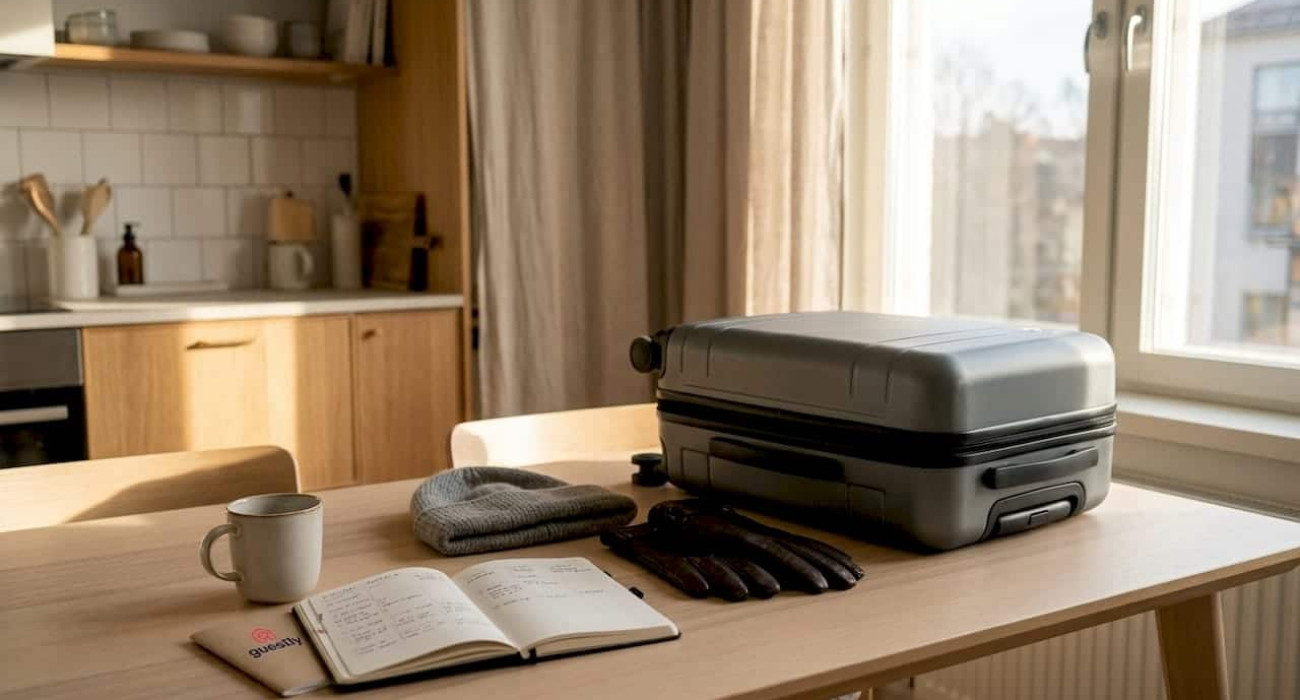

TL;DR:
- Packing for a Swedish work assignment requires layered clothing suitable for extreme cold and mild temperatures. Early preparation must include carrying essential documents in hand luggage and setting up cashless payment options before departure. Locally available quality outdoor gear and clothing reduce the need for overpacking upon arrival.
Packing for a work assignment in Sweden is a strategic exercise, not a simple checklist. The country’s climate shifts from temperatures below -20°C in winter to warm, bright summers, and its professional culture is shaped by the principle of lagom, a Swedish concept meaning moderation and balance. Getting your luggage right before departure means understanding layering systems, carrying the correct documents in your hand luggage, and selecting versatile clothing that moves between office and social settings without effort. This guide covers every category a professional needs to address before travelling to Sweden for a temporary work placement in 2026.
What clothing to pack for a Sweden work assignment
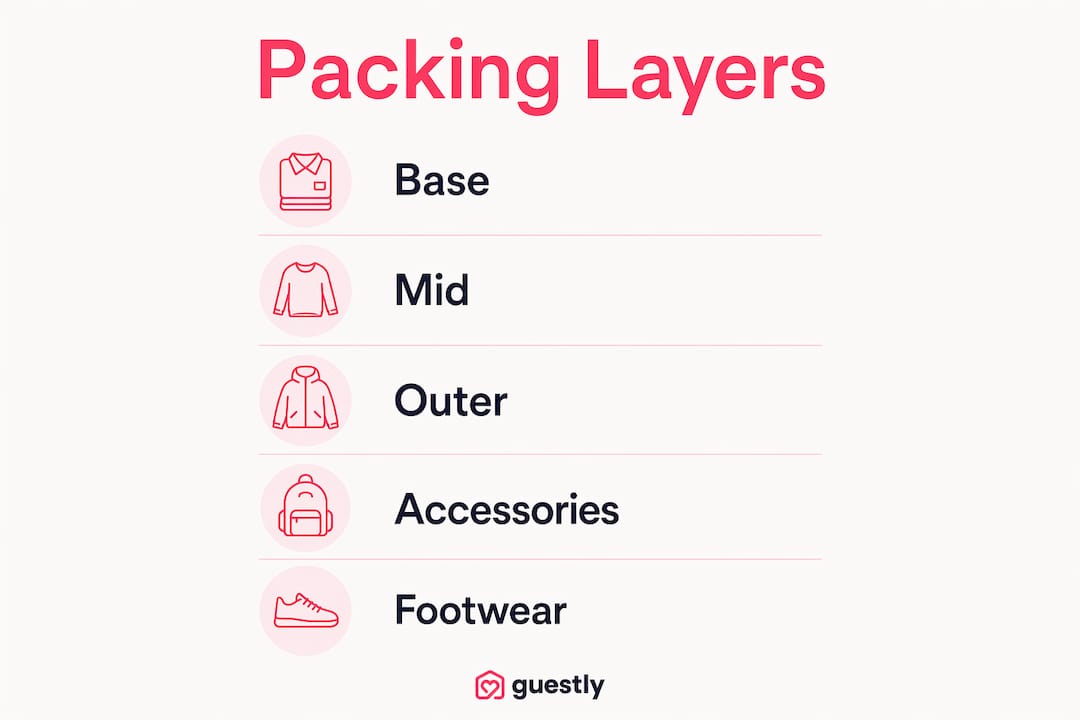
Clothing is the most complex category when preparing for a Swedish work trip, because the country’s seasons demand genuinely different wardrobes. The core strategy is layering: a thermal base layer, a mid-layer such as a merino wool jumper or fleece, and a weather-resistant outer shell. This system works across all four seasons and allows you to adapt quickly between a heated office and an outdoor commute.
Winter clothing (november to april)
Swedish winters are serious. Northern regions reach -40°C in the coldest months, and even Stockholm regularly drops well below freezing. Packing for this period requires specific items that generic business travel lists rarely include.
- A long, wind-resistant, waterproof parka that covers the thighs
- Thermal base layers in merino wool or synthetic moisture-wicking fabric
- Insulated, waterproof boots with grip soles for icy pavements
- Wool or fleece-lined beanies and gloves
- A heavyweight scarf, ideally wool or cashmere
Office buildings in Sweden are uniformly well heated, so you do not need heavy indoor clothing. Local retailers stock quality seasonal gear suited to the climate, which means you can buy supplementary items after arrival rather than overpacking.
Summer and transitional clothing
Swedish summers are mild and bright, with long daylight hours. Smart but understated attire is the standard for professional networking during warm months, with linen shirts, light knits, and tailored trousers or skirts being appropriate choices. Brightly coloured or logo-heavy clothing is generally avoided in professional settings. For transitional months such as april, may, september, and october, pack a lightweight waterproof jacket and a mid-weight layer alongside your summer pieces.
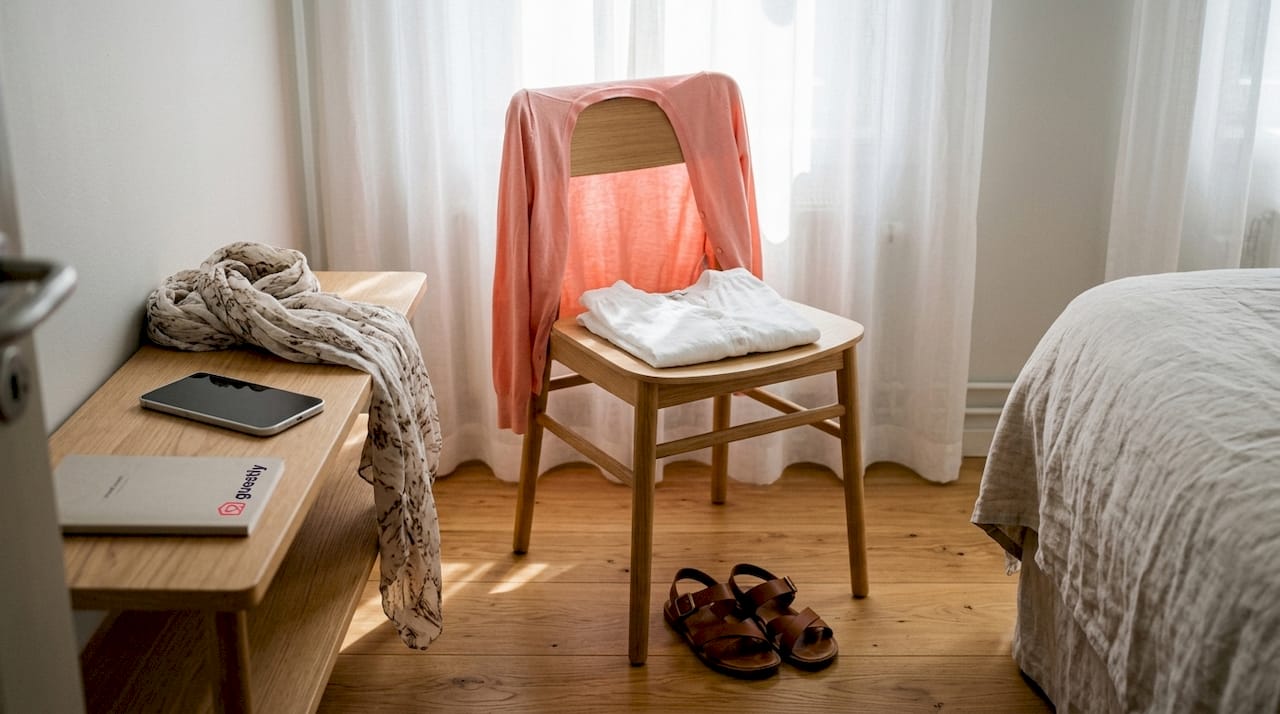
Pro Tip: Pack two or three neutral-coloured base pieces that work in both formal meetings and after-work social settings. Swedish professional culture values understated quality, so a well-cut navy blazer or a clean merino jumper will serve you better than a suit jacket you wear once.
What documents must you carry in hand luggage?
Essential documents must travel in your carry-on, not in checked baggage. This is the single most important logistical rule for professionals arriving in Sweden for a work placement. Losing access to these documents in transit can delay your administrative setup by weeks.
The documents you must keep with you at all times during travel are:
- Passport (valid for the full duration of your assignment)
- Employment contract (required for personnummer registration and bank account applications)
- Degree certificates or professional qualifications (needed for certain municipal registrations)
- Proof of residence (your accommodation address in Sweden)
- Health insurance documentation (European Health Insurance Card if applicable, or private policy details)
- Residence permit (if required for your nationality)
These documents are mandatory for obtaining a personnummer, the Swedish personal identification number that unlocks access to banking, healthcare, and most public services. Without it, basic daily life in Sweden becomes significantly more difficult.
Digital payments and banking preparation
Sweden is a largely cashless society, and cash is rarely accepted even in small shops or cafés. Before departure, set up an international payment card through a provider such as Wise or Revolut. These cards allow you to spend in Swedish kronor without excessive conversion fees while your local bank account is being arranged. Formal Swedish bank accounts require personnummer registration, which can take several weeks after arrival, so interim payment solutions are not optional. Additionally, BankID links your digital identity with banking, taxes, and healthcare in Sweden, making it a priority to set up once your personnummer is issued.
Pro Tip: Scan all documents and store them in a secure cloud folder before you travel. If your bag is lost or stolen, you can access digital copies immediately and begin replacement procedures without delay.
Which footwear and accessories suit a Sweden work trip?
Footwear is a practical decision in Sweden, not a style one. The wrong shoes can make a winter commute genuinely hazardous. Ice-covered pavements are common from november through march, and standard leather-soled dress shoes provide almost no grip on compacted snow.
The footwear and accessories to prioritise are:
- Winter boots: waterproof, insulated, with a rubber sole rated for icy surfaces. Brands such as Sorel or Tretorn are widely used locally and set a practical benchmark.
- Office shoes: a clean, comfortable pair of leather or leather-look shoes for indoor use. Many Swedish professionals change shoes on arrival at the office.
- Rain boots or waterproof trainers: useful for autumn and spring when slush and rain are the primary hazards.
- Accessories: a quality wool scarf, thermal gloves, and a beanie are non-negotiable for winter. A compact, packable rain jacket covers the transitional seasons.
Swedish business culture prioritises practical, quality items over visible branding. A pair of well-made, understated boots will read as more appropriate than designer footwear with prominent logos. For business entertaining, which often takes the form of lunch rather than formal dinners, smart-casual footwear is entirely acceptable.
How to pack efficiently for professional and social occasions
Efficient packing for a Swedish work placement means building a wardrobe that covers office meetings, after-work social events, and weekend activities without requiring two full suitcases. The guiding principle is versatility, and it maps directly onto Swedish professional culture.
Swedish work culture emphasises flat hierarchies and modest presentation, which means clothing should transition easily between formal and casual contexts. A structured approach to packing reflects this:
| Luokka | Recommended items |
|---|---|
| Formal office wear | 2–3 tailored trousers or skirts, 3–4 smart shirts or blouses |
| Smart-casual layer | 2 quality jumpers or cardigans in neutral tones |
| Outerwear | 1 winter parka or 1 lightweight waterproof jacket (season dependent) |
| Casual wear | 2 pairs of jeans or chinos, 3–4 casual tops |
| Footwear | 1 pair of winter or rain boots, 1 pair of office shoes |
Packing cubes and careful layering reduce wasted space and keep categories organised throughout a long assignment. This matters when you are moving between temporary accommodation and need to locate specific items quickly. Limit your initial luggage to what you genuinely need for the first two to three weeks. Swedish cities have well-stocked shops for quality clothing and outdoor gear, so supplementing your wardrobe locally is straightforward and often preferable to overpacking.
Pro Tip: Before you travel, check whether your serviced apartment in Sweden includes laundry facilities. If it does, you can pack fewer items and wash more frequently, which significantly reduces your luggage volume.
Key takeaways
Packing for a work assignment in Sweden requires a layering strategy for clothing, carry-on access to all critical documents, and a cashless payment setup before departure.
| Kohta | Yksityiskohdat |
|---|---|
| Layering is the core clothing strategy | Pack thermal base layers, mid-layers, and a waterproof outer shell for all seasons. |
| Documents belong in carry-on luggage | Passport, employment contract, and proof of residence are needed within 48 hours of arrival. |
| Set up cashless payments before departure | Wise or Revolut cards bridge the gap while your Swedish bank account is being arranged. |
| Footwear must be weather-appropriate | Insulated, grip-soled boots are required for safe winter commuting in Sweden. |
| Avoid overpacking formalwear | Swedish offices are smart-casual; local shops supply quality seasonal gear if needed. |
What I have learned about packing for Sweden
Having worked closely with professionals relocating to Sweden for temporary assignments, the pattern I see most often is the same: people overpack the wrong things and underpack the right ones. Executives arrive with three formal suits and no thermal underlayer. Consultants bring dress shoes with leather soles and spend their first week sliding across Stockholm’s pavements.
The mistake is treating a Swedish work assignment like a standard European business trip. It is not. The climate is genuinely demanding, and the professional culture is genuinely different. Swedish colleagues will not judge you for wearing a well-made jumper to a client meeting. They will notice, however, if your clothing looks uncomfortable or impractical for the conditions.
My advice is to build your packing list around two questions. First, what do you need to function professionally on day one? That means documents, a payment card that works, and clothing appropriate for the season. Second, what can you buy locally if you need it? The answer in Sweden is almost everything, from thermal layers to quality outerwear. Local availability is not an excuse to pack carelessly, but it is a reason not to pack anxiously.
The professionals who settle into Swedish assignments most effectively are those who arrive prepared but not overloaded. They have read about moving to Sweden for work before they land, they carry their documents in their hand luggage, and they trust that the country’s excellent retail infrastructure will cover any gaps. That calm, prepared approach is, fittingly, very Swedish.
— Joakim Thörn
Accommodation that supports your Sweden work placement
Arriving in Sweden with the right luggage is only part of the preparation. Where you stay shapes how quickly you settle and how well you perform.
Guestly Homes operates fully managed serviced apartments and villas across Sweden, designed specifically for professionals on extended work assignments. Every property is furnished to a consistent standard, with laundry facilities, reliable connectivity, and the kind of quiet, functional space that lets you focus on work from day one. There are no check-in queues, no shared facilities, and no administrative friction. For HR teams and project managers arranging accommodation for colleagues, Guestly Homes provides a single point of contact and a consistent experience across every booking. Explore business stays in Sweden and find out how Guestly Homes can support your team’s next assignment.
FAQ
What should I pack for a winter work trip to Sweden?
Pack insulated waterproof boots, a long wind-resistant parka, thermal base layers, and wool accessories including gloves and a beanie. Northern Sweden can reach temperatures as low as -40°C, so cold-weather gear is not optional.
Which documents do I need in my carry-on for a Sweden work assignment?
Carry your passport, employment contract, degree certificates, proof of residence, and health insurance documentation. These are required for personnummer registration and bank account applications within the first days of arrival.
Is cash necessary in Sweden?
Cash is rarely needed in Sweden, which operates as a largely cashless society. Set up an international payment card such as Wise or Revolut before departure, as local bank accounts require a personnummer that takes time to obtain.
How formal is Swedish business dress?
Swedish business dress is smart but understated, with quality and practicality valued over branding or formality. Smart-casual attire is standard for most office environments and networking events.
Do I need to pack everything before arriving in Sweden?
No. Swedish cities have well-stocked retailers for quality clothing and outdoor gear. Limit your initial luggage to essentials and purchase supplementary items locally, particularly seasonal outerwear and footwear suited to conditions on the ground.