


TL;DR:
- Establishing a long-term stay in Sweden relies on completing key administrative steps early to access services.
- Focusing on registration, address updates, and setting routines helps adapt quickly and creates a functional home.
Settling into a long-term stay is defined as the process of establishing functional routines, completing key registrations, and personalising your living space so that daily life runs without friction. In Sweden, this process has a clear administrative backbone. Travellers who stay 12 months or more receive a personal identity number (personnummer) from Skatteverket, the Swedish Tax Agency, which unlocks a wide range of everyday services. Those on shorter stays receive a coordination number with more limited access. Knowing which applies to you, and acting on it early, is the single fastest way to settle in. This guide covers the full sequence: from paperwork to groceries, from sleep routines to social life.
What administrative steps must be completed first for a smooth long-term stay?
The administrative timeline is the bottleneck for most travellers, not the physical move. Getting your paperwork in order before anything else prevents multi-week delays in accessing banking, healthcare, and digital services.
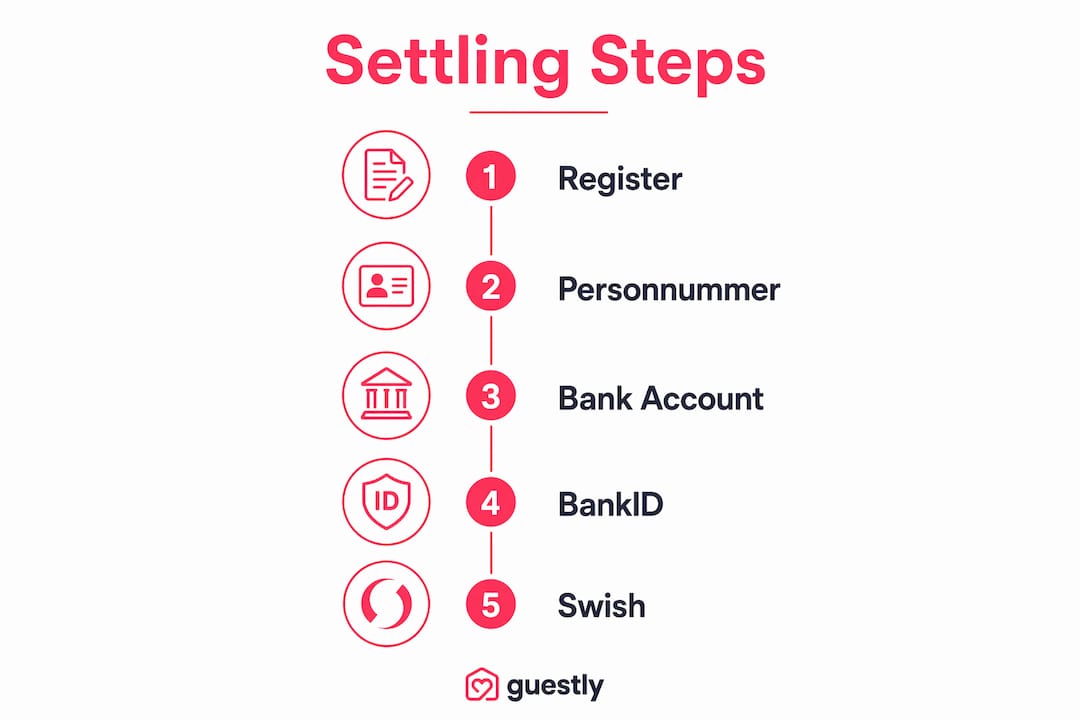
The core sequence looks like this:
-
Register with Skatteverket. Apply for your personnummer or coordination number as soon as you arrive. Your personnummer or coordination number determines which services you can access. Personnummer is issued for stays of 12 months or more and opens the full range of Swedish services. A coordination number covers shorter stays and allows interaction with employers and authorities.
-
File your moving notification (flyttanmälan). Do this within one week of arriving at your address. Filing the notification is free, takes 3–5 minutes digitally, and updates your registered address to prevent postal and registration issues. Delaying this step causes disruption to mail and official records.
-
Open a Swedish bank account. Most banks require your personnummer or coordination number, so this step follows registration. Without a bank account, you cannot activate BankID or Swish.
-
Activate BankID. Once your bank account is open, BankID activation typically takes 5–10 minutes with the correct ID and bank processes in place. BankID is the digital identity tool used across Swedish public services, healthcare bookings, and private platforms.
-
Book appointments at service centres. Some registrations require in-person identity verification. Book these appointments early, as waiting times can extend your timeline significantly.
| Schritt | Timeline | Why it matters |
|---|---|---|
| Register with Skatteverket | Day 1–3 | Unlocks personnummer or coordination number |
| File flyttanmälan | Within 1 week | Updates address, prevents postal issues |
| Open bank account | Week 1–2 | Required for BankID and Swish |
| Activate BankID | Week 2–3 | Needed for digital services and healthcare |
| Book service centre appointment | As early as possible | Avoids multi-week delays |
Pro Tip: Build your settling plan around identity, address, and money first. Many services depend on correct registration to function, so completing these steps in sequence prevents compounding delays.
By month three, you should have your personnummer, bank account, BankID, and Swish fully functioning. Month three is the benchmark for a stable daily life in Sweden.
How do you create a home-like environment in new accommodation?
Transforming unfamiliar accommodation into a comfortable space is one of the most effective quick tips for long stays. The physical environment directly affects how quickly you adjust.
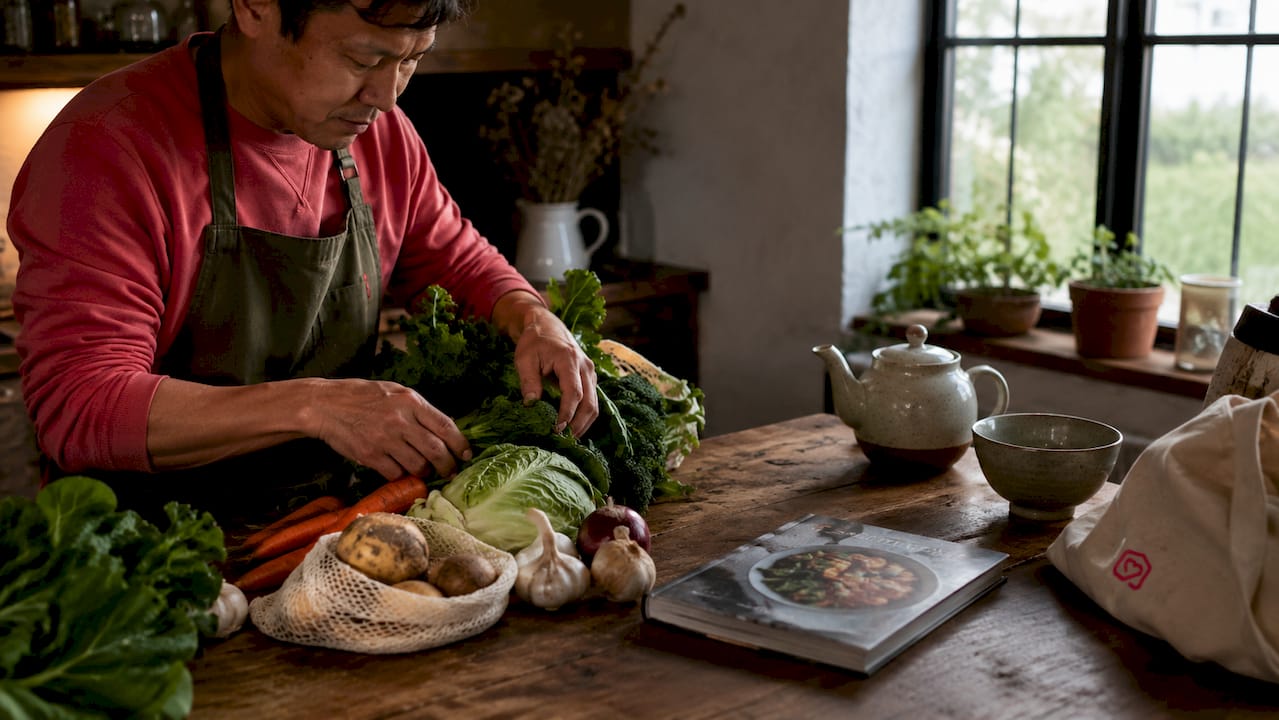
Prioritising one small area to unpack and make your own reduces disorientation while the rest of the space gradually comes together. This could be a bedside table, a reading corner, or a kitchen shelf. The goal is a single spot that feels yours from day one.
Practical steps for faster adjustment to long stays include:
- Unpack key areas first. Set up your bedroom and kitchen before anything else. These two spaces drive daily comfort more than any other room.
- Use the kitchen from day one. Cooking a familiar meal in your first 48 hours creates a powerful sense of normalcy. Accommodation with a full kitchen is not a luxury for extended stays. It is a functional requirement.
- Establish a laundry routine. Access to in-unit or on-site laundry removes one of the most persistent low-level stresses of living away from home.
- Add small personal touches. A photograph, a favourite mug, or a familiar scent makes a space feel occupied rather than temporary.
- Organise for daily use. Place frequently used items where you would naturally reach for them. This reduces the cognitive load of navigating an unfamiliar space.
Treating your accommodation as a routine-enabled space rather than a temporary room is the defining shift in mindset for long-term travellers. Routines and personalisation directly support wellbeing and reduce the disorientation that makes extended stays feel draining.
Pro Tip: Do not wait until the space is fully unpacked to start your routines. A small personal ritual on day one, such as making coffee in your own way, anchors you to the space immediately.
What daily habits speed up adjustment during an extended stay?
Adapting to new accommodations is as much about daily behaviour as it is about the physical space. Consistent habits create the rhythm that makes a new place feel familiar.
Grocery shopping and cooking are the fastest routes to feeling at home. Sweden has well-stocked supermarkets including ICA, Coop, and Hemköp, all of which offer loyalty cards and mobile apps. Signing up for an ICA or Coop loyalty card in your first week gives you discounts and helps you learn the local product range quickly. Cooking at home most evenings is one of the best practices for long-term rentals because it saves money, builds routine, and reduces the fatigue of eating out constantly.
Physical activity supports both mood and sleep quality during the settling period. Sweden’s cities and towns are well-suited to cycling and walking year-round. Stockholm, Gothenburg, and Malmö all have public bike-sharing schemes. A 30-minute walk or cycle each morning establishes a daily anchor that structures the rest of your day.
Sleep management matters more than most travellers expect. An unfamiliar environment disrupts sleep in the first week. Keep consistent wake and sleep times from day one. Blackout curtains are worth requesting from your accommodation provider, particularly in summer when Swedish daylight extends well past 10 pm.
Public transport in Sweden is reliable and well-integrated. The SL app covers Stockholm’s entire network. Västtrafik covers Gothenburg and the surrounding region. Download the relevant app, load a travel card, and plan your first week’s commute before you need it.
Social connection is the most underestimated settling factor. Sweden has a reputation for social reserve, but structured activities break through this quickly. Joining a local sports club, language exchange group, or professional network through Meetup or LinkedIn Events gives you regular contact with people outside work. Knowing your local vårdcentral (health centre) early also stabilises daily life by removing uncertainty around healthcare access.
How do you maintain productivity while settling into a long-term stay?
Work-life balance during an extended stay requires deliberate structure. Without it, the unsettled feeling of a new environment bleeds into working hours and vice versa.
-
Set up your workspace on day one. Identify a dedicated spot for work in your accommodation. A consistent physical location for work trains your brain to switch into focus mode. Even a specific chair at the kitchen table works.
-
Confirm your internet connection before you need it. Test speeds and reliability on arrival. If the connection is insufficient, contact your accommodation provider immediately. Waiting until a deadline arrives costs more than the conversation.
-
Use BankID for digital administration. Once activated, BankID handles tax filings, healthcare bookings, and government service access. Completing these tasks digitally saves hours compared to in-person visits.
-
Protect your rest hours. Set a clear end time for work each day and hold to it. The temptation to fill evenings with catch-up work is high when you are in an unfamiliar place with fewer social commitments. Resist it. Rest is what makes the next day functional.
-
Combine work with local exploration. Take lunch breaks in a different neighbourhood each week. Walk to a local café for morning calls. These small choices build familiarity with your surroundings without requiring dedicated sightseeing time.
For travellers moving to Sweden for work, the quality of accommodation directly affects productivity. A space with reliable internet, a proper desk, and separation between sleeping and working areas is not optional. It is the foundation of a functional extended stay.
Key takeaways
Settling into a long-term stay in Sweden faster requires completing administrative registrations in sequence, establishing physical routines early, and treating your accommodation as a functional home rather than a temporary room.
| Punkt | Einzelheiten |
|---|---|
| Register with Skatteverket first | Personnummer or coordination number unlocks banking, BankID, and healthcare access. |
| File flyttanmälan within one week | A 3–5 minute digital step that prevents postal and registration disruption. |
| Personalise your space from day one | Unpacking one key area and starting familiar routines reduces disorientation immediately. |
| Build daily anchors into your routine | Cooking, exercise, and consistent sleep times create the rhythm that makes a new place feel familiar. |
| Treat administration as the critical path | The paperwork timeline, not the physical move, is what determines how quickly daily life functions. |
What I have learned about settling in quickly
The most common mistake I see travellers make is treating the administrative steps as background tasks. They focus on the flat, the neighbourhood, the coffee shop. Meanwhile, the bank account sits unopened and BankID is still not activated three weeks in. Every service in Sweden connects back to that registration sequence. Get it wrong and you are not just inconvenienced. You are locked out of healthcare bookings, digital payments, and public service access.
The second thing I have learned is that small rituals matter more than people expect. Not grand gestures like buying furniture or redecorating. A specific mug. A morning walk to the same bakery. The same playlist while cooking. These micro-habits signal to your nervous system that this place is safe and known. They work faster than any amount of unpacking.
Sweden rewards the systematic approach. The country’s public systems are well-designed and genuinely functional once you are inside them. The difficulty is getting inside them in the right order. Travellers who follow the sequence, personnummer first, then bank account, then BankID, find that daily life clicks into place with surprising speed. Those who skip steps spend weeks chasing their own tail.
My honest advice: do not try to settle everything in the first week. Focus on what creates functional coverage. Phone working, transit card loaded, one familiar meal cooked. That is enough for day two. The rest follows.
For a practical overview of what to check before you book, the extended stays booking guide from Guestlyhomes covers the key decisions clearly.
— Joakim
Accommodation that supports a faster settling experience
Guestlyhomes operates fully managed villas and apartments across Sweden, designed specifically for extended stays. Every property includes a full kitchen, laundry access, and comfortable living spaces. These are not hotel rooms adapted for longer use. They are homes built around the routines that make long stays work.
For professionals, project teams, and individuals relocating for weeks or months, the right accommodation removes friction from day one. A well-equipped kitchen means you cook rather than eat out every night. In-unit laundry means one less errand. A proper workspace means your first Monday is productive, not chaotic. Properties like the 5-bedroom business villa and the luxury villa with lake view are built for exactly this kind of stay. Browse available properties at Guestlyhomes and find accommodation that works from the moment you arrive.
FAQ
What is the difference between personnummer and a coordination number?
A personnummer is issued to travellers staying in Sweden for 12 months or more and provides full access to Swedish services. A coordination number covers shorter stays and allows interaction with employers and authorities but with more limited service access.
How long does it take to activate BankID in Sweden?
BankID activation typically takes 5–10 minutes once you have a Swedish bank account and the correct identity documents in place. The bank account must be opened first.
Why is filing a moving notification (flyttanmälan) so important?
Filing your flyttanmälan within one week of moving updates your registered address in official records. This prevents delays in receiving mail and keeps your registration current across public services.
How do I access healthcare during a long-term stay in Sweden?
Non-emergency healthcare in Sweden starts at your local health centre, known as a vårdcentral. Identifying and registering with your nearest vårdcentral early removes uncertainty and stabilises daily life.
What is the fastest way to feel at home in new accommodation?
Unpack one key area immediately, cook a familiar meal in the first 48 hours, and establish a consistent daily routine from day one. These steps reduce disorientation faster than any amount of decorating or organising.