


Most british business travellers rank clear communication and maintenance standards as top priorities when choosing temporary homes for their teams. For HR managers and project coordinators in Sweden, especially those managing projects in Piteå, Luleå, Boden, and Nyköping, meeting these expectations ensures a smooth experience from start to finish. This guide breaks down straightforward steps so you can match your property with the right teams, streamline guest selection, and create lasting satisfaction with every stay.
Innehållsförteckning
- Step 1: Assess Who Your Home Is Suitable For
- Step 2: Clarify How Guests Are Selected And Screened
- Step 3: Define How Pricing And Payment Are Managed
- Step 4: Establish Who Handles Cleaning, Maintenance, And Repairs
- Step 5: Specify How Damage, Wear, And Guarantees Are Addressed
- Step 6: Determine How Issues And Communication Are Structured
Snabb sammanfattning
| Viktig insikt | Detaljerad förklaring |
|---|---|
| 1. Identify Your Target Demographic | Assess your property’s features to determine the ideal tenant demographic, ensuring effective marketing. |
| 2. Implement a Rigorous Screening Process | Establish a structured screening approach that includes background checks and documentation for tenant verification. |
| 3. Set Clear Pricing Structures | Develop transparent pricing guidelines, including payment methods and late policies, to foster tenant satisfaction. |
| 4. Clearly Define Maintenance Responsibilities | Outline maintenance duties in the rental agreement to avoid misunderstandings and ensure property upkeep. |
| 5. Maintain Open Communication Channels | Create multiple communication methods for tenant issues and establish response times to enhance tenant relations. |
Step 1: Assess who your home is suitable for
Before renting out your home, understanding its target audience is crucial. This assessment helps you market effectively and attract suitable tenants who will treat your property with respect.
Begin by evaluating your property’s unique characteristics through a comprehensive spatial assessment. Researchers have identified 24 key indicators across five essential categories that determine an apartment’s rental potential: additional rooms, room sizes, window orientation, ventilation, circulation, and spatial organisation. These factors significantly influence which demographic might find your home most appealing.
Consider your home’s specific attributes. Is it a compact city apartment ideal for young professionals? A spacious family home near schools? A quiet retreat suitable for remote workers? Each property has a natural target market. Analyse features like proximity to public transport, local amenities, workplace clusters, and educational institutions. For instance, homes near business districts might attract corporate professionals, while properties close to universities could appeal to academic staff or postgraduate students.
Property layout matters immensely. Open plan spaces attract younger tenants, while separate rooms might appeal to families or professionals requiring dedicated workspaces. Room sizes, natural light, storage options, and overall functionality will determine your home’s attractiveness to specific tenant groups.
Here’s a summary of potential tenant types and the home features most likely to appeal to them:
| Tenant Type | Ideal Property Features | Example Locations |
|---|---|---|
| Young Professionals | Compact layout, modern amenities | City centre flats, near transit |
| Familjer | Large rooms, multiple bedrooms, garden | Suburban homes, near schools |
| Remote Workers | Quiet environment, home office space | Rural cottages, quiet suburbs |
| Academic Staff/Students | Simple furnishing, study areas | Near universities, campus areas |
| Corporate Tenants | High-spec finishes, security features | Business districts, urban towers |
Pro tip: Conduct a thorough, objective assessment of your property as though you were a potential tenant. Walk through each room, considering functionality, comfort, and universal appeal. This perspective will help you understand your home’s genuine rental potential.
Step 2: Clarify how guests are selected and screened
Selecting the right guests is a critical aspect of renting out your home, ensuring both property protection and a positive rental experience. Your screening process serves as the first line of defence against potential risks.

Advanced tenant verification technologies now offer sophisticated methods to authenticate potential renters quickly and securely. These systems can provide comprehensive background checks, verify identification, and assess tenant reliability through automated platforms that streamline the selection process.
Develop a structured screening approach that balances thoroughness with fairness. Request essential documentation such as proof of income, employment verification, previous rental references, and a valid identification document. Consider conducting background checks that reveal critical information about potential tenants criminal history, credit standing, and rental payment reliability. Some landlords implement a minimum income threshold requirement typically 2.5 to 3 times the monthly rental rate to ensure financial stability.
Establish clear, consistent screening criteria that apply equally to all potential tenants. This approach not only protects your property but also ensures legal compliance with anti discrimination regulations. Create a standardised application process that allows you to compare potential renters objectively, focusing on their ability to maintain the property and meet financial obligations.
Pro tip: Develop a comprehensive but fair screening questionnaire that covers key areas of tenant assessment while remaining legally compliant. Document your screening process to demonstrate transparency and consistency in your tenant selection approach.
Step 3: Define how pricing and payment are managed
Establishing a clear, transparent pricing and payment strategy is fundamental to successful property rental. Your approach will directly impact your rental income, tenant satisfaction, and overall investment performance.
Rental pricing can vary significantly across different regions, with urban centres typically commanding higher rates compared to suburban areas. Research local market rates carefully, considering factors such as property location, size, amenities, and current demand. Look at comparable properties in your neighbourhood to determine a competitive yet profitable pricing strategy.
Develop a comprehensive payment structure that includes clear guidelines on rent due dates, acceptable payment methods, and potential late payment policies. Consider offering multiple payment options such as bank transfer, online platforms, or direct debit to accommodate different tenant preferences. Implement a consistent invoicing system that provides tenants with clear, itemised statements and establishes predictable financial expectations.
Establish transparent policies for security deposits, including precise terms for deposit protection, potential deductions, and return conditions. Clearly communicate these terms in the rental agreement to prevent misunderstandings. Consider using a third-party deposit protection scheme to ensure fairness and legal compliance, which can also provide additional reassurance to both you and potential tenants.
Pro tip: Create a detailed rental pricing spreadsheet that tracks market rates, your property expenses, and potential seasonal variations. Regularly review and adjust your pricing strategy to maintain competitiveness while ensuring your investment remains financially viable.
Step 4: Establish who handles cleaning, maintenance, and repairs
Clarifying responsibilities for property upkeep is crucial to preventing misunderstandings and maintaining your property in excellent condition. A well-defined maintenance strategy protects your investment and ensures tenant satisfaction.
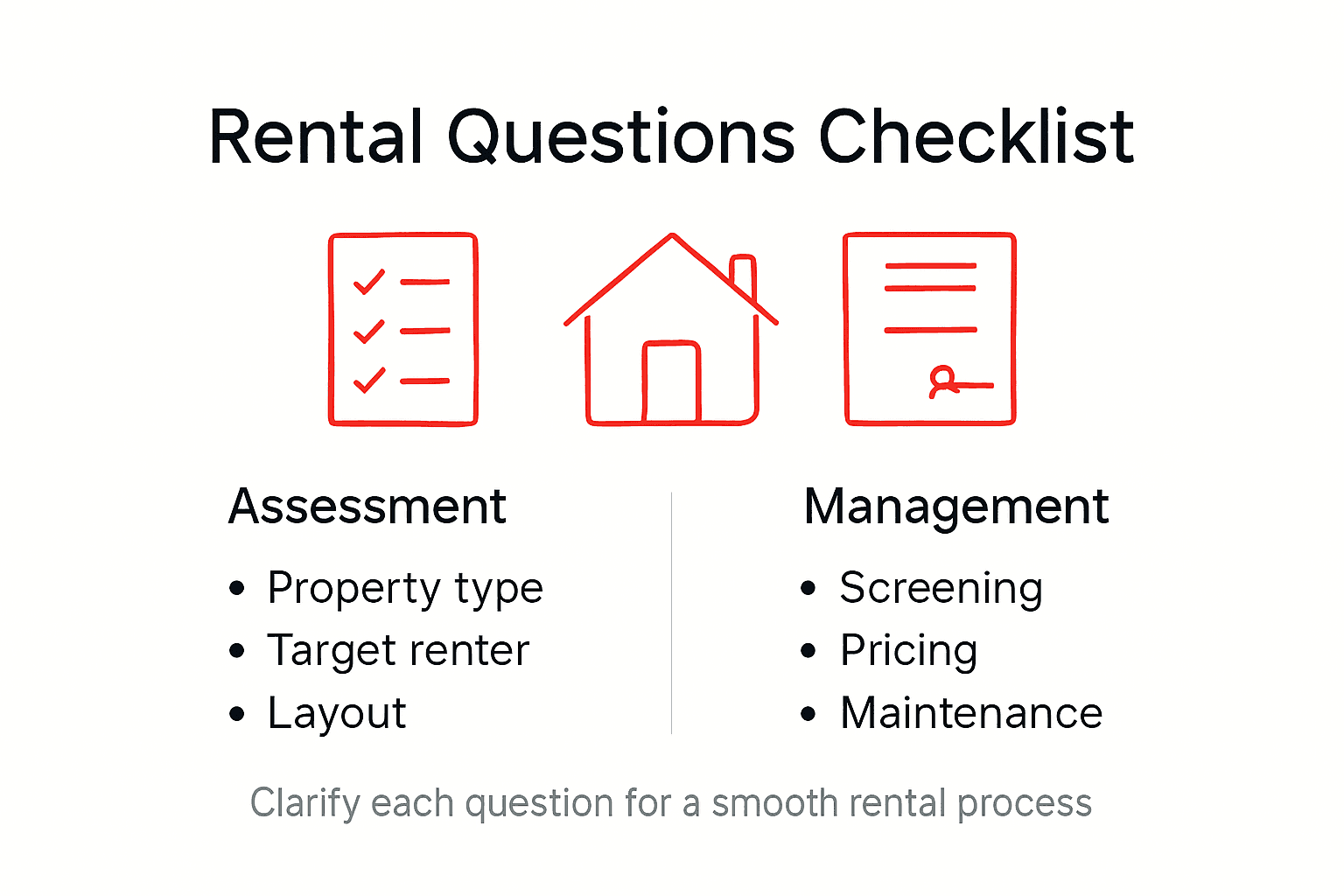
Comprehensive rental agreements should meticulously outline maintenance responsibilities, creating clear expectations for both property owners and tenants. Divide maintenance tasks into distinct categories: routine cleaning, regular maintenance, and emergency repairs. Determine which tasks fall under the tenant’s responsibility and which require your direct intervention or professional service.
Establish a streamlined process for reporting and addressing maintenance issues. Provide tenants with multiple communication channels such as email, phone, and online platforms to report problems quickly. Set clear timelines for responding to different types of maintenance requests. Minor issues might require a 48-hour response, while urgent repairs affecting habitability should be addressed immediately. Consider partnering with reliable local tradespeople who can provide prompt service for specialised maintenance tasks like plumbing, electrical work, or heating system repairs.
Document all maintenance agreements in the rental contract, specifying exact responsibilities, response times, and financial arrangements. Include provisions for routine inspections that allow you to assess the property’s condition periodically. These inspections help identify potential issues early and demonstrate your commitment to property maintenance. Clearly communicate that tenants are responsible for maintaining the property in the condition they received it, with reasonable wear and tear understood as acceptable.
The table below outlines common maintenance responsibilities and their typical assignment:
| Task Category | Usually Tenant’s Duty | Usually Landlord’s Duty |
|---|---|---|
| Routine Cleaning | Regular dusting, vacuuming | Deep cleaning between tenancies |
| Minor Repairs | Lightbulbs, unblocking sink | Appliance servicing, plumbing |
| Emergency Repairs | Report issues promptly | Resolve leaks, heating failure |
| Annual Inspections | Allow access | Schedule and organise |
Pro tip: Create a detailed maintenance checklist and digital tracking system that allows you to monitor property condition, schedule routine maintenance, and manage repair requests efficiently. This approach helps prevent small issues from becoming costly problems.
Step 5: Specify how damage, wear, and guarantees are addressed
Addressing potential property damage and wear requires a proactive, transparent approach that protects both your investment and your tenant’s living experience. Establishing clear expectations from the outset prevents future misunderstandings and potential disputes.
Comprehensive rental contracts should meticulously detail expectations around property condition, including precise definitions of acceptable wear and tear versus actual damage. Document the property’s initial condition through a detailed inventory and photographic evidence, which serves as a baseline for assessing any changes during the tenancy. This approach provides an objective reference point for evaluating potential damage claims.
Develop a structured process for damage assessment that includes regular inspections and clear communication protocols. Specify exact procedures for reporting and addressing potential damages, including timelines for notifications, documentation requirements, and repair expectations. Consider implementing a graduated approach to damage assessment that distinguishes between normal usage, minor damages requiring tenant responsibility, and significant repairs that may involve insurance claims or professional restoration.
Establish a transparent system for security deposit management that outlines precise conditions for deposit return. Clearly communicate the criteria for full or partial deposit retention, including specific examples of what constitutes acceptable versus unacceptable property condition. Provide tenants with a comprehensive checklist during move in and move out processes, ensuring they understand exactly how their financial responsibilities will be evaluated.
Pro tip: Develop a digital documentation system that allows for precise tracking of property condition, including timestamped photographs, detailed inspection reports, and clear communication records to protect both your interests and maintain a professional relationship with your tenants.
Step 6: Determine how issues and communication are structured
Establishing a robust communication framework is essential for maintaining a positive relationship with your tenants and addressing potential issues swiftly and professionally. A well-designed communication strategy can prevent misunderstandings and create a sense of mutual respect.
Effective communication channels between tenants and landlords are crucial for resolving housing challenges, requiring a structured and accessible approach. Implement multiple communication methods to accommodate different tenant preferences, including email, phone, text messaging, and an online tenant portal. Create a clear hierarchy for issue reporting that distinguishes between routine inquiries, maintenance requests, and emergency situations.
Develop a comprehensive communication protocol that specifies response times for different types of communications. Establish standard timelines such as 24-hour responses for non urgent maintenance requests, immediate acknowledgement for emergency issues, and weekly update schedules for ongoing concerns. Consider creating a standardised issue reporting template that guides tenants in providing clear, detailed information about their concerns, helping you address problems more efficiently.
Ensure all communication guidelines are explicitly outlined in the rental agreement, providing tenants with a clear understanding of how and when they can reach you. Designate specific contact methods for different types of issues, such as a dedicated maintenance email or an emergency contact number for urgent situations. Implement a digital tracking system that logs all communications, allowing you to monitor response times, track issue resolution, and maintain a transparent record of interactions.
Pro tip: Develop a simple, user friendly digital communication platform that allows tenants to submit and track issues, send documents, and receive updates, reducing miscommunication and creating a more streamlined rental experience.
Ensure Your Home Rental Journey Is Seamless and Profitable
Renting out your home comes with many challenges, from assessing the ideal tenant to managing maintenance and communication. This article highlights key points like tenant screening, pricing strategy, and damage policies that can be overwhelming without expert help. If you want to move beyond the usual hurdles and avoid uncertainty, a premium, fully managed service can transform your property rental experience.
Guestly Homes specialises in handling all these complexities for property owners across Sweden and the Nordics. As a 5-star operator, we deliver hassle-free living for guests and frictionless property performance for owners by providing:
- Expert tenant selection and guest vetting
- Transparent revenue sharing or fixed rent options tailored to your needs
- End-to-end property management covering cleaning, maintenance, and communication
Discover how we help properties earn passively and ensure your investment thrives without the usual stress.
Explore our business models and see why our partnership approach offers stability and growth.
Take control of your home rental with confidence. Visit Guestly Homes today to unlock the full potential of your property and enjoy peace of mind every step of the way.
Vanliga frågor och svar
What criteria should I use to assess my home’s suitability for rental?
Before renting out your home, evaluate its unique characteristics, such as room sizes, layout, and proximity to amenities. Conduct a comprehensive spatial assessment to identify which demographic might find it most appealing, like young professionals or families.
How can I efficiently screen potential tenants for my rental property?
Implement a structured screening process that balances thoroughness with fairness, asking for essential documentation like employment verification and rental references. Create a standardised application process to compare potential tenants objectively and ensure legal compliance.
What should I consider when setting rental prices for my home?
Analyse local market rates based on your property’s location, size, and amenities to determine a competitive pricing strategy. Research comparable properties in your neighbourhood and adjust your pricing to maximise both attractiveness and profitability.
How should I manage maintenance responsibilities between myself and my tenants?
Clearly define maintenance responsibilities in your rental agreement, specifying which tasks fall under tenant duties and which require your direct involvement. Establish a streamlined process for reporting maintenance issues and set reasonable timelines for addressing them.
How do I address and document potential damage to my rental property?
Create a detailed inventory and photographic evidence of your property’s initial condition to objectively assess damage at move-out. Develop a transparent system for evaluating normal wear and tear versus actual damage, including specific criteria for security deposit returns.
What is the best way to communicate with my tenants about issues that arise?
Establish clear communication channels, providing tenants with multiple methods to report issues, like email or phone. Create a protocol that specifies response times for different inquiries, ensuring swift resolutions and maintaining a positive landlord-tenant relationship.
Rekommenderas
- Hur jag hyr ut mitt hem: En praktisk guide för ägare – Guestly Homes
- Så ökar du hyresvärdet för din fastighet 2025 - Guestly Homes
- How to Handle Extended Stays: A Calm Guide for Property Owners – Guestly Homes
- Den ultimata guiden till jakt på nya hyreslägenheter (2025) - Guestly Homes
- The Basics of Estate Planning for New Homeowners – Law Office of Eric Ridley