

TL;DR:
- Living and working in Northern Sweden requires careful preparation for extreme daylight cycles, cold weather, and cultural adaptation. Patience is essential for building social connections in a community that values gradual relationships and consensus decisions. Securing housing depends on registering early and obtaining a personnummer, as well as leveraging employer support and local connections.
Living and working in Northern Sweden means adapting to one of Europe’s most distinctive environments, shaped by extreme daylight cycles, a close-knit community culture, and a lifestyle built around nature. Professionals relocating here, whether to cities like Luleå and Kiruna or to smaller towns across Norrbotten, face a learning curve that goes well beyond logistics. The climate is demanding, the social norms are specific, and the rewards are real. This guide covers what to know about Northern Sweden before you arrive, from housing and transport to cultural integration and long-term wellbeing.
What are the climate and daylight conditions like in Northern Sweden?
Northern Sweden has drastic seasonal daylight variability, with polar night in winter and midnight sun in summer. These are not minor inconveniences. They reshape your daily rhythm in ways that take most professionals several months to fully adjust to.
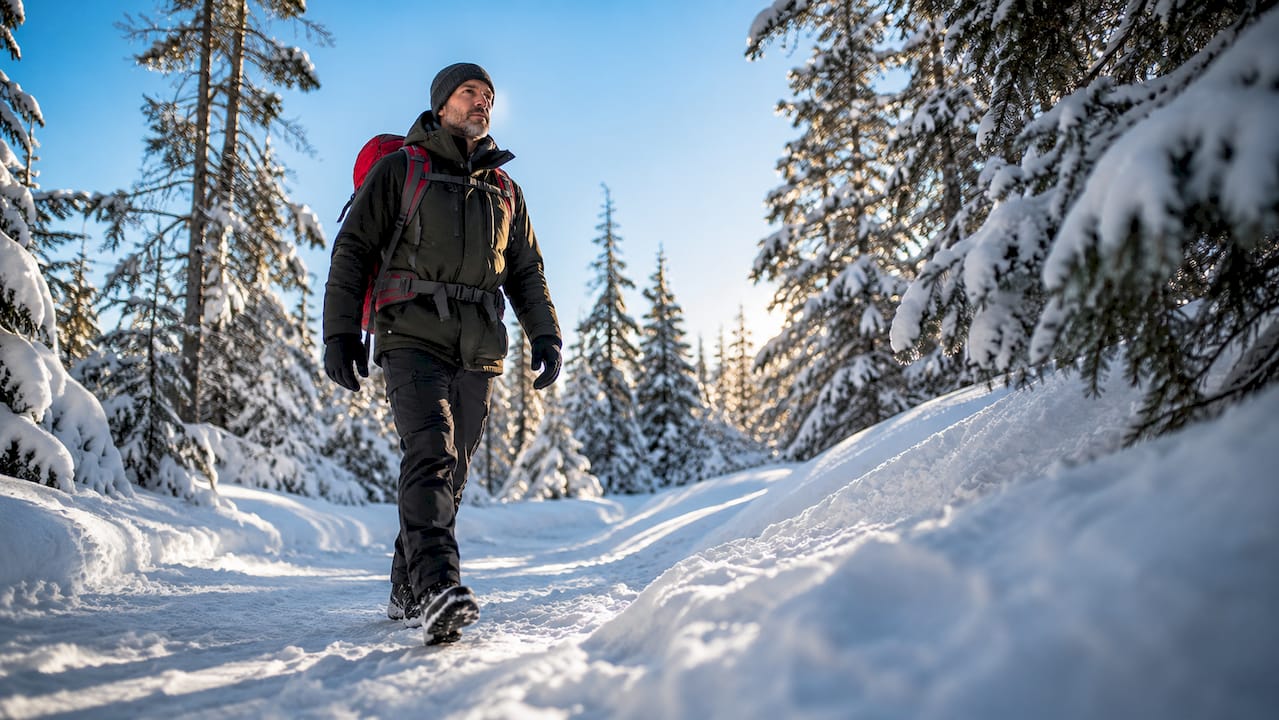
During polar night, which runs from late november through january in the far north, the sun may not rise above the horizon at all. Conversely, in june and july, daylight is continuous. Both extremes affect sleep, energy, and mood.
Key seasonal realities to prepare for:
- Temperatures regularly fall below minus 20°C in january and february
- Snowfall begins as early as october and can persist until april
- Polar night lasts up to four weeks in the northernmost areas
- Midnight sun means complete daylight for weeks in midsummer
- Spring arrives quickly and dramatically, often within days
Mental health is a genuine consideration. Light therapy lamps are widely used and recommended by occupational health services across the region. Scheduling outdoor time during the brief winter daylight hours, even a 20-minute walk at noon, makes a measurable difference to mood and focus.
Winter preparation includes specific clothing and home adaptations. Layering is not optional. Thermal base layers, insulated outer shells, and proper winter boots rated to at least minus 30°C are standard. Your home will need blackout curtains for summer and good insulation for winter. Most properties in the region are built for these conditions, but you should verify this before signing any rental agreement.
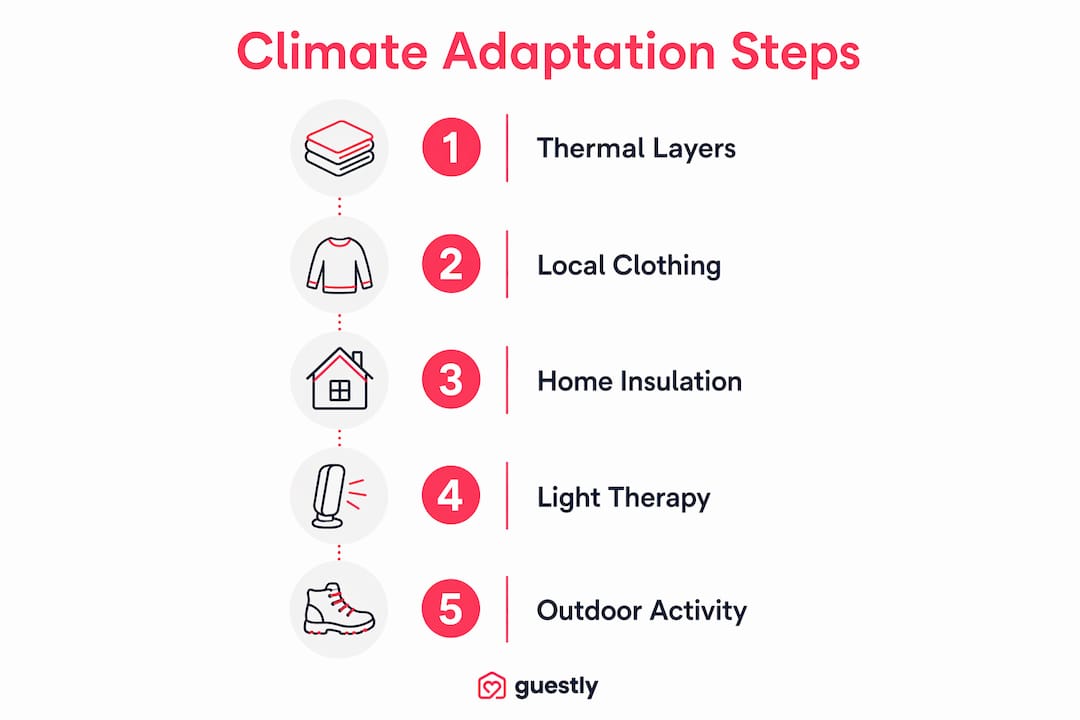
Pro Tip: Buy your winter clothing locally in Norrbotten rather than ordering from southern Sweden or abroad. Local outdoor retailers stock gear rated for actual Arctic conditions, not just cold weather.
How does local culture in Northern Sweden shape social and professional life?
Northern Swedish social culture follows what researchers and relocation specialists call a slow-invitation model. Deeper friendships develop gradually, through repeated contact and shared activities rather than immediate warmth. Professionals arriving from more outwardly social cultures often misread this as coldness. It is not.
The seemingly reserved local demeanour masks a deeply communal spirit. Once you are known in a community, the support and loyalty you receive are genuine and lasting. Patience is the single most valuable quality you can bring to your first year here.
Workplace culture reflects the same values:
- Punctuality is non-negotiable. Arriving late to a meeting is a serious breach of professional respect
- Hierarchy is flat. Junior staff speak directly to senior managers without formality
- Decisions are made by consensus, which takes longer but produces stronger buy-in
- Swedish labour law guarantees at least five weeks of annual leave, with four consecutive weeks in summer
- Work-life balance is not a perk. It is a structural expectation built into employment contracts
Fika deserves specific attention. This Swedish practice of taking a coffee break, typically twice a day, is a vital professional and social ritual that flattens hierarchies and builds connection. Skipping fika marks you as an outsider. Attending it consistently, and contributing to the conversation, is one of the fastest ways to integrate into a team.
“The north rewards those who show up consistently, not those who perform loudly. Join the local association, attend the fika, and let relationships build at their own pace.” — Move Up North relocation advisors
Local associations, known in Swedish as föreningar, cover everything from sports clubs to cultural groups and neighbourhood committees. Joining one connects you to the community in ways that work alone cannot.
What practical challenges will professionals face with housing, transport, and shopping?
Housing is the most common friction point for professionals relocating to Northern Sweden. Renting without a personnummer is genuinely difficult. The personnummer is Sweden’s personal identity number, issued after registering your address with the Swedish Tax Agency (Skatteverket). Without it, many landlords will not process your application.
Steps to securing housing as a newcomer:
- Register your address with Skatteverket as soon as you arrive
- Apply for your personnummer. EU/EEA citizens can work and live immediately in Sweden but must register for stays over 12 months
- Ask your employer about bridge accommodation while registration is processed
- Use employer relocation support. Companies like LKAB provide temporary housing, language lessons, and registration assistance as part of their packages
- Check rental listings through Bostadsförmedlingen or local municipal housing queues
| Challenge | Practical solution |
|---|---|
| No personnummer on arrival | Request employer bridge accommodation |
| Limited rental stock in smaller towns | Contact municipal housing offices directly |
| Long housing queues | Start the queue registration process before you arrive |
| Rural transport gaps | Budget for a car with winter tyres from day one |
Transport infrastructure is well-maintained even in severe winter conditions, with roads ploughed regularly and winter tyres legally required. In rural areas, residents rely on snowmobiles and cross-country skiing alongside public transport. In cities like Luleå, buses run reliably. Outside urban centres, a car is not a luxury. It is a necessity.
Shopping habits also shift. Large retail centres are concentrated in regional cities. Smaller towns have good basics but limited variety. Many professionals do a larger weekly shop in the nearest city and supplement locally. Expect reduced services during major Swedish holidays, particularly midsummer and Christmas, when many businesses close for extended periods.
What outdoor and leisure opportunities enhance life in Northern Sweden?
Northern Sweden offers easy access to forests, lakes, and mountains, and this access is one of the strongest arguments for relocating here. The quality of life tied to nature is genuinely exceptional by any European standard.
Winter activities that professionals regularly take up:
- Alpine skiing and snowboarding at resorts including Riksgränsen and Björkliden
- Cross-country skiing directly from residential areas in most towns
- Ice fishing on frozen lakes, a deeply social activity in local communities
- Dog sledding, available through local operators across Norrbotten
- Northern lights viewing, most reliable from september through march
Summer brings an equally full calendar. Hiking trails in the Kebnekaise and Sarek areas are world-class. Swimming in lakes and rivers is common from june onwards. The midnight sun creates a surreal quality to evening outdoor time that most newcomers describe as one of the unexpected highlights of living here.
Communities value outdoor time as a genuine contributor to health and social engagement. Joining a local running club, ski team, or hiking group is one of the most effective ways to build friendships and stay well during the long winter months. The Northern Sweden lifestyle is not something that happens to you. You choose it actively.
How do you adapt routines and mindset for long-term success in Northern Sweden?
Long-term success in Northern Sweden depends on building deliberate routines rather than waiting to feel settled. The professionals who thrive here are those who treat adaptation as a project, not a passive process.
Practical adaptation strategies that work:
- Schedule outdoor time at midday during winter to maximise natural light exposure
- Invest in a quality light therapy lamp and use it consistently from october through march
- Begin Swedish language lessons early. English often suffices in technical sectors like mining and engineering, but Swedish opens social doors that English cannot
- Join at least one local förening within your first three months
- Build a weekly structure that includes both work commitments and social activities
Patience is rewarded in the slow-invitation social model of the north. Professionals who push for quick social results often feel frustrated. Those who show up consistently to the same fika, the same club, the same community event, find that relationships form naturally over a season or two.
Nutrition and sleep deserve attention. The extreme light changes disrupt circadian rhythms for most newcomers. Blackout curtains in summer and consistent sleep schedules year-round reduce the impact significantly. Local diets tend to be protein-rich and calorie-dense for good reason. The cold demands more energy than most professionals expect.
Pro Tip: Before you arrive, read up on moving to Sweden for work to understand the administrative steps. Getting the paperwork right before you land removes a significant source of early stress.
Key takeaways
Living and working in Northern Sweden requires deliberate preparation across climate adaptation, cultural integration, and practical logistics before and after arrival.
| Punt | Details |
|---|---|
| Climate preparation is non-negotiable | Invest in Arctic-rated clothing, blackout curtains, and a light therapy lamp before winter begins. |
| Personnummer unlocks daily life | Register with Skatteverket immediately on arrival to access housing, banking, and services. |
| Fika is a professional tool | Attending fika consistently is one of the fastest routes to team integration and social trust. |
| Outdoor life supports wellbeing | Joining a local sports club or hiking group reduces winter isolation and builds lasting friendships. |
| Patience drives social success | The slow-invitation culture rewards consistent presence over time, not immediate social effort. |
What I have learned about relocating to Northern Sweden
By Joakim
The most common mistake I see professionals make when they arrive in Northern Sweden is treating the first winter as something to endure. That framing sets them up for a difficult year. The winter is not an obstacle. It is the context in which the entire culture operates, and once you accept that, everything else becomes clearer.
The quality of life here genuinely surprises most newcomers. Safety, clean air, access to nature, and a working culture that respects your time outside the office are not marketing claims. They are daily realities. I have spoken with engineers who came for a two-year contract and are still here a decade later. The reason is almost always the same: they stopped waiting to go home and started building a life.
The practical side matters too. Getting your personnummer sorted quickly, finding the right accommodation before the housing queue becomes a problem, and connecting with your employer’s relocation support are not small details. They are the foundation everything else rests on. Get those right in the first month and the rest follows.
— Joakim
Accommodation for professionals relocating to Northern Sweden
Settling into Northern Sweden is significantly easier when your accommodation is sorted from day one. Guestlyhomes provides fully managed, high-standard properties across the region, designed specifically for professionals on extended assignments.
From a Nordic studio built for comfort and work to a spacious villa with sauna suited for project teams, Guestlyhomes properties are furnished, maintained, and ready to move into. There is no queue, no personnummer required to book, and no gap between arrival and having a functional home. For professionals who need their accommodation to perform as reliably as they do, Guestlyhomes removes the friction from the first and most critical phase of relocation. View available properties at guestlyhomes.com.
FAQ
Do I need a personnummer to rent in Northern Sweden?
Most private landlords require a personnummer before processing a rental application. Your employer can often provide bridge accommodation while your registration with Skatteverket is completed.
How long does polar night last in Northern Sweden?
Polar night lasts up to four weeks in the northernmost areas of Sweden, typically from late november through january. Further south in Norrbotten, daylight is reduced but not absent during this period.
Is English sufficient for working in Northern Sweden?
English is widely used in technical sectors including mining and engineering. Learning Swedish significantly improves social integration and opens opportunities outside the workplace.
What transport do I need in Northern Sweden?
A car with winter tyres is necessary outside urban centres. Roads are well-maintained in winter, but public transport coverage is limited in rural areas. Snowmobiles are common in the most remote communities.
How do I find long-term housing in Norrbotten?
Start by reviewing housing options in Norrbotten before you arrive. Register with municipal housing queues as early as possible, and ask your employer about relocation support packages that include temporary accommodation.