


|
Trinity Audio -soittimen valmistelu...
|
TL;DR:
- Proper planning and seasonal awareness help property owners avoid costly emergency repairs and booking disruptions in northern climates.
- Timely maintenance, tight turnover procedures, and automated systems ensure consistent occupancy and protect long-term asset value.
Knowing how to maintain a rental property without losing too many booking days is one of the most practical challenges property owners face, particularly in northern climates where weather is unpredictable and seasonal shifts are sharp. A burst pipe in January or a failed heat pump in peak winter demand does not just create a repair bill. It forces you to block dates, disappoint guests, and lose income that cannot be recovered. The good news is that nearly all of it is avoidable with the right approach to planning, sequencing, and seasonal awareness.
Sisällysluettelo
- Key takeaways
- How to maintain a rental property without disrupting bookings
- Turnover efficiency to reduce vacancy days
- Seasonal maintenance for northern climates
- Long-term asset care and strategic pricing
- Tools, checklists, and automation
- My perspective on maintenance and long-term property performance
- How Guestlyhomes supports property performance
- FAQ
Key takeaways
| Kohta | Yksityiskohdat |
|---|---|
| Plan maintenance around the calendar | Schedule HVAC servicing, roof checks, and painting during low-demand periods to protect booking availability. |
| Sequence turnovers tightly | Use same-day inspection, repair, cleaning, and photography to minimise vacancy days between guests. |
| Prepare for northern winters early | Winterise pipes, service heating systems, and clear drainage before the first frost to avoid emergency disruptions. |
| Control occupancy intentionally | Targeting 60–78% occupancy with strong pricing protects asset quality and long-term revenue. |
| Automate where possible | Property management systems reduce scheduling errors and accelerate vendor coordination across all tasks. |
How to maintain a rental property without disrupting bookings
The most effective rental property maintenance tips start with one principle: prevention is always cheaper than reaction. HVAC systems account for nearly 50% of a property’s energy consumption, and when they fail during peak season, the cost extends far beyond the repair itself. You lose booking days, you lose guest confidence, and in northern climates, you may also face freeze damage if heating drops unexpectedly.
Annual servicing of your HVAC and heat pump should sit at the top of your maintenance planning calendar. Book it in late summer before the autumn heating season begins. This creates a predictable, low-disruption window that does not conflict with high-demand winter or early spring bookings.
Roof and drainage inspections follow the same logic. In Sweden and across the Nordics, ice accumulation and heavy snowfall put significant stress on guttering, flashings, and flat roof membranes. Scheduling these inspections in September, before the first frost, gives you time to address any findings before they become emergencies. A blocked gutter found in September costs almost nothing to fix. Found in February during a freeze, it can mean water ingress, ceiling damage, and an extended block on your calendar.
Interior upgrades like painting and flooring refreshes should be timed for the shoulder seasons, typically March or October in most northern markets. These are the periods when booking demand dips, giving you a natural window for cosmetic work without sacrificing prime dates.
Pro Tip: Use your lease cycle as a planning anchor. If your tenancy renews every 12 months, build a 60-day pre-renewal review into your process. This is the ideal moment to assess maintenance needs, schedule any required work, and confirm whether the next booking period will be affected.
A simple maintenance calendar, structured around the northern climate year, transforms property management best practices from reactive chaos into a predictable system. Owners who build this cadence report fewer emergency calls, lower average repair costs, and steadier booking performance over time.
Turnover efficiency to reduce vacancy days
Vacancy between tenants is one of the most preventable sources of lost income. Planning repair needs and tenant renewal at least 60 days before a lease ends gives you the lead time to coordinate work without scrambling. The goal is to treat maintenance as a revenue-protection system, not an interruption to it.
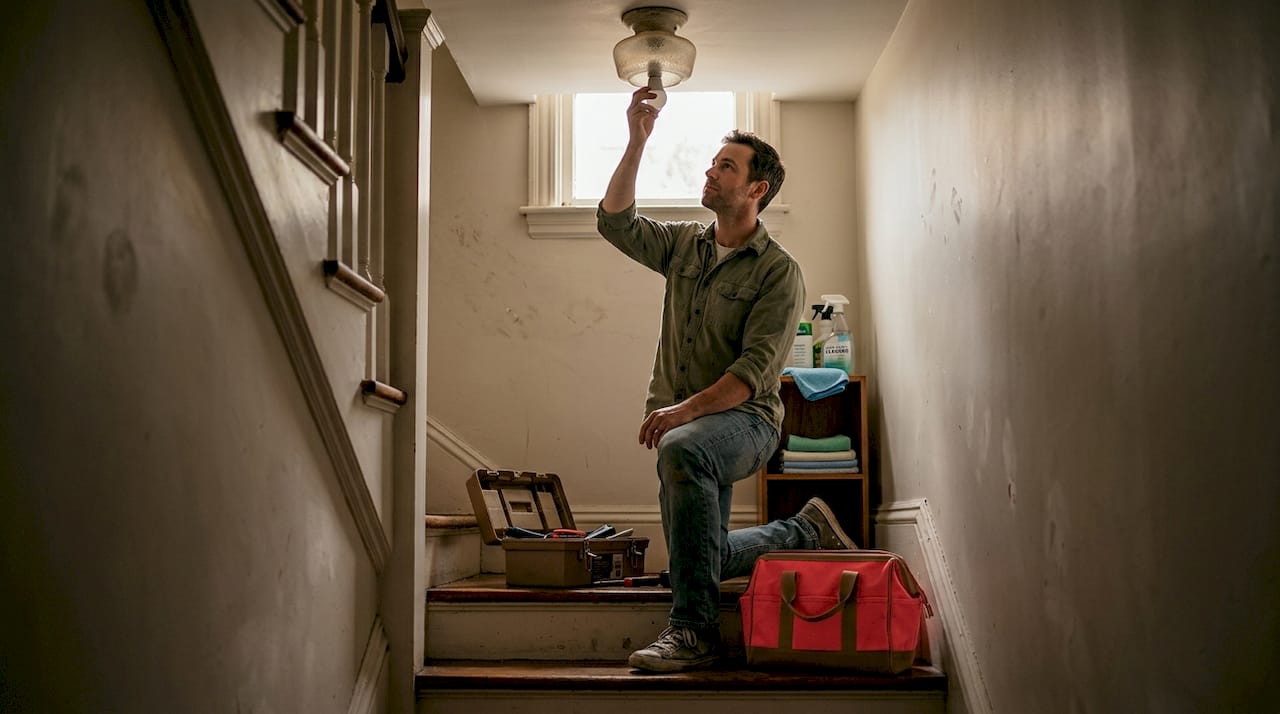
Proactive communication with tenants helps schedule improvements and avoids unexpected vacancy periods. Ask about renewal intent early. If a tenant is leaving, confirm the date as soon as possible so your vendor sequencing can begin. This single habit removes the most common cause of unnecessary vacancy: waiting too long to act.
Here is how a tight same-day turnover sequence works in practice:
- Inspection. Walk the property within two hours of handover. Document every item that needs attention, categorised by urgency and cost.
- Vendor access. Have your tradespeople scheduled in advance, not booked reactively. Pre-agreed slots with plumbers, electricians, and handypersons mean work starts the same day or the following morning.
- Repairs and touch-ups. Address all findings before cleaning begins. Paint scuffs, broken fixtures, and worn seals should be resolved at this stage.
- Deep clean. A professional cleaning team works through the property once all repairs are complete. This sequencing matters. Cleaning before repairs wastes effort and time.
- Photography and relisting. Updated photographs, refreshed listing copy, and a live availability calendar should go up within 24 hours of cleaning completion.
Maintaining a stock of common consumables, spare light bulbs, tap washers, sealant, and touch-up paint in the correct colours for your property is a small investment that saves significant time. A repair that takes 20 minutes with parts on hand can cost you a full day and a booking if you have to wait for a delivery.
Pro Tip: Build a pre-qualified vendor list with at least two options per trade. When your primary contact is unavailable, you need a confirmed backup, not a search. Agree on response time expectations in advance and review them annually.
To keep rental units occupied and prevent booking cancellations, the relisting step deserves the same urgency as the physical work. Properties that go live within 24 to 48 hours of turnover consistently outperform those that sit unlisted for several days while owners manage administrative tasks at a relaxed pace.
Seasonal maintenance for northern climates
Northern climates impose a rhythm that property owners must respect. The maintenance tasks that protect your property in winter are different from those needed in spring or autumn, and timing them correctly is what separates owners who maintain high booking rates from those who spend winter managing emergencies.
The table below outlines priority seasonal tasks and their recommended timing for properties in Sweden and comparable northern markets.
| Kausi | Key tasks | Timing window |
|---|---|---|
| Late summer (Aug) | HVAC and heat pump service, boiler inspection | Before heating demand begins |
| Autumn (Sep to Oct) | Roof and drainage inspection, gutter clearing, exterior painting | Before first frost |
| Early winter (Nov) | Pipe insulation checks, outdoor tap winterisation, smoke and CO alarm test | Before sustained freeze |
| Spring (Mar to Apr) | Drainage flow test, exterior inspection for frost damage, pest control | After ground thaw |
| Early summer (Jun) | Air conditioning service, deck and exterior wood treatment | Before peak guest season |
The difference between an owner who loses two weeks of bookings each winter and one who does not usually comes down to whether pipes and heating systems were checked before November. Frost damage to exposed pipework and outdoor connections is almost entirely preventable, yet it remains one of the most common causes of emergency maintenance blocks in northern rental properties.
Key seasonal priorities for effective property upkeep in northern climates include:
- Scheduling heating system servicing before the autumn booking season, not after the first breakdown
- Clearing roof gutters and checking downpipes before leaf fall in October to prevent ice damming
- Treating external timber decking and cladding in early June before summer guest use increases wear
- Booking pest control during shoulder seasons, when properties are less occupied and treatment is less disruptive
- Confirming that all outdoor water connections are drained and insulated before sustained temperatures drop below zero
Adjusting maintenance intensity to match your booking calendar is one of the clearest property management best practices available. High-demand periods should be protected from disruption. Low-demand periods exist precisely to absorb the work your property needs.
Long-term asset care and strategic pricing
Effective property upkeep is not only about preventing failures. It is about preserving the quality that justifies strong pricing and sustains guest satisfaction over years, not just seasons. The materials you choose and the occupancy levels you accept both contribute to how well your asset holds its value.
Luxury property owners achieve better long-term value by targeting 60–78% occupancy rather than chasing maximum bookings. In northern markets, this principle applies equally to premium villas and well-positioned apartments. Continuous high occupancy accelerates wear on flooring, joinery, appliances, and soft furnishings, which in turn requires more frequent and costly replacements.
| Material choice | Durability benefit | Recommended for |
|---|---|---|
| Luxury vinyl tile (LVT) flooring | Resistant to moisture, scuffs, and heavy foot traffic | Hallways, kitchens, bathrooms |
| Semi-gloss or satin paint finish | Wipeable surface withstands cleaning between stays | All interior walls |
| Ceramic or porcelain tiles | Extremely durable under heavy use | Wet rooms, utility areas |
| Solid or engineered hardwood | Long-lasting with periodic refinishing | Living rooms, bedrooms |
Choosing durable materials at the specification stage reduces the frequency of cosmetic replacements and shortens the maintenance window needed between bookings. A rental value strategy that combines quality finishes with realistic occupancy targets will consistently outperform one that prioritises volume at the expense of condition.
Setting minimum price floors and applying discounts selectively protects both revenue and perceived quality. Accepting bookings at prices that do not reflect the property’s standard can attract guests whose expectations and behaviour do not align with what the asset requires. Pricing discipline is a form of asset protection.
Pro Tip: Plan any renovation or significant update at least six months in advance. Map it against your booking calendar and identify the lowest-demand window available. Properties that block dates reactively for renovations lose far more income than those that plan the same work into an existing quiet period.
Tools, checklists, and automation
A well-maintained property is only as consistent as the systems behind it. Individual memory and verbal instructions introduce error. Systematised maintenance with checklists and automation accelerates vendor coordination and reduces human error.
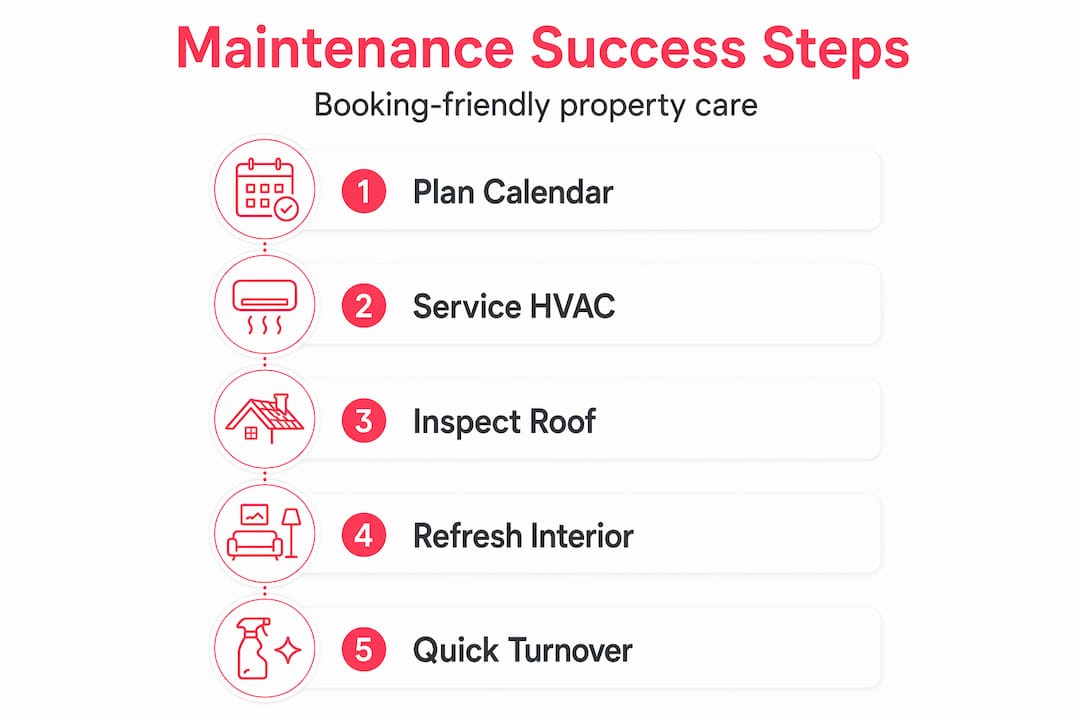
Property management systems help automate task scheduling and cleaning assignments, which is particularly valuable when managing more than one property or coordinating multiple vendors across a tight turnover window. Even single-property owners benefit from the structure these tools provide.
A practical landlord maintenance checklist should include:
- Timestamped task records for every inspection, service, and repair
- Automated reminders triggered by date or booking event (check-out, 60-day renewal window)
- A vendor contact database with agreed response times and backup options
- A maintenance history log per property, noting recurring issues and resolution costs
- Cleaning team protocols that include early wear reporting, noting items that need attention before they become urgent repairs
The early wear reporting habit deserves particular attention. When cleaning staff are trained to flag worn seals, dripping taps, scuffed skirting boards, and failing appliance switches, you catch issues at a cost of tens, not hundreds. This single practice, embedded into a property management checklist, reduces both repair costs and the likelihood of a booking disruption caused by a guest reporting a failure on arrival.
Vendor service level agreements, even informal ones, give you the confidence to make booking commitments without anxiety. Knowing that your heating engineer will respond within 24 hours in winter, or that your cleaning team can mobilise on the same day as check-out, allows you to list with confidence and honour those commitments consistently.
My perspective on maintenance and long-term property performance
I have worked with property owners across the Nordics long enough to see one pattern repeat itself: the owners who experience the calmest, most profitable rental businesses are not necessarily the ones with the best properties. They are the ones who treat maintenance as a scheduled business function, not an interruption.
The reactive maintenance trap is expensive and avoidable. I have seen a single heating failure in February cost an owner three weeks of blocked bookings, two emergency call-out fees, and a repeat guest who did not return. The servicing that would have prevented it costs a fraction of that, scheduled in August when no one is watching.
What I have also learned is that pure occupancy numbers can be misleading. An owner at 90% occupancy with deep discounts and constant wear is often less profitable, and managing a more degraded asset, than the owner at 68% occupancy with consistent pricing and a property that still looks pristine after three seasons. Intentional occupancy, supported by strategic income planning, is what builds durable rental income.
The vendors who show up reliably are worth more than the cheapest quote. Invest in those relationships. And invest in the systems that remove the decisions you should not have to make manually every time.
— Joakim
How Guestlyhomes supports property performance
At Guestlyhomes, we manage properties in northern climates to the standard that protects both guest satisfaction and long-term asset value. Our approach combines scheduled preventive maintenance, tight turnover coordination, and considered pricing to keep properties performing consistently throughout the year.
If you are looking for a clearer picture of what a well-maintained, professionally managed rental looks like in practice, our luxury villa with lake view and business villa with five bedrooms show what sustained care and thoughtful management produce over time. Owners who partner with Guestlyhomes benefit from a fully managed approach, where maintenance planning, vendor coordination, and booking optimisation are handled with precision and care.
FAQ
How often should I service HVAC in a northern rental?
Annual servicing before the autumn heating season is recommended. HVAC systems account for a significant share of energy use, and servicing them in late summer prevents costly breakdowns during peak winter demand.
What is the fastest way to reduce vacancy between tenants?
Same-day turnover sequencing of inspection, repairs, cleaning, and relisting is the most reliable method. Planning transitions at least 60 days before lease end gives sufficient lead time to coordinate all tasks without delay.
When should I winterise a northern rental property?
Pipe insulation checks and outdoor tap winterisation should be completed before sustained temperatures drop below zero, typically by early November in Sweden. Preventive action at this stage avoids freeze damage that can block bookings for weeks.
Is targeting maximum occupancy the best strategy for property value?
Not always. Research suggests controlled occupancy of 60–78% combined with strong pricing protects asset quality better than maximum booking volume, particularly in premium or northern climate properties where wear accumulates quickly.
What maintenance tasks should cleaning staff report during turnovers?
Cleaning teams should flag worn seals, dripping taps, scuffed wall surfaces, failing appliance switches, and any visible damage to flooring or joinery. Early wear reporting by cleaning staff reduces repair costs and prevents guest-facing failures on arrival.