
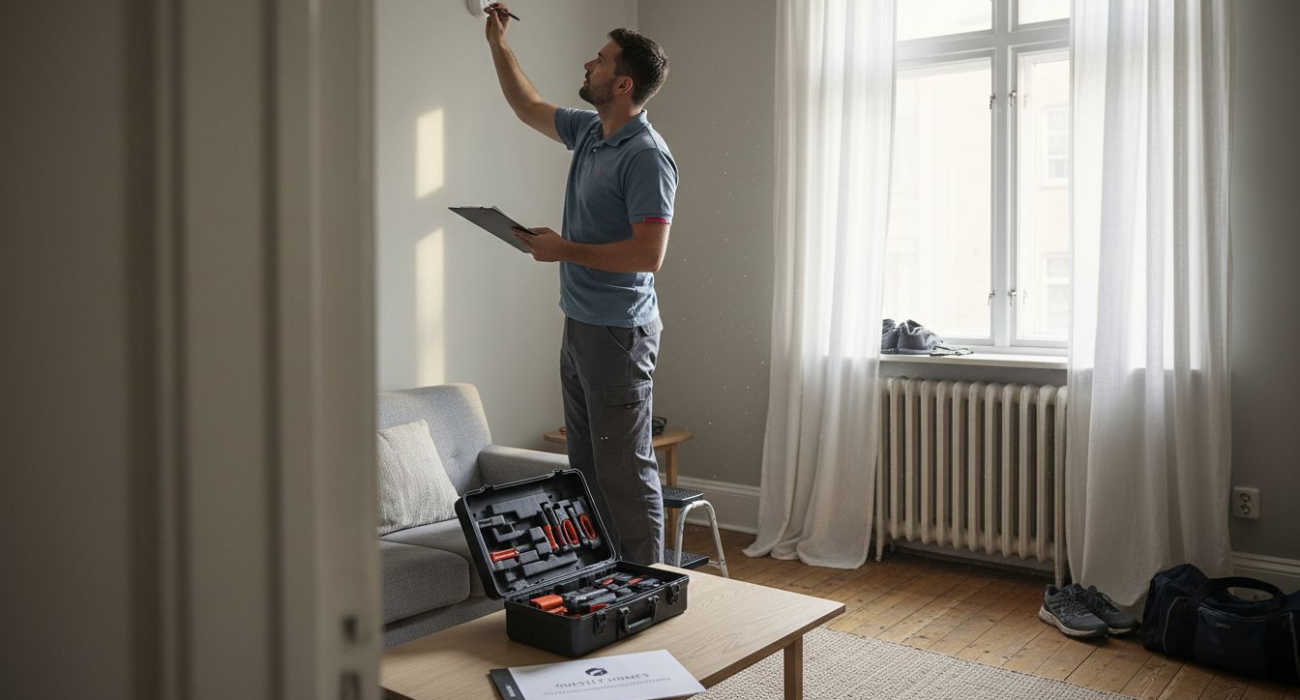

Overlooking essential maintenance can lead to costly repairs and unexpected emergencies for property managers and residents alike. Regular inspections are more than just a box to tick—nearly 60 percent of apartment safety issues could be prevented with scheduled checks. Staying ahead with a consistent maintenance strategy keeps safety equipment, plumbing, electrical systems, and security features in top condition, providing peace of mind and safeguarding everyone at home.
Índice
- Inspect Safety Equipment Regularly for Full Compliance
- Check Heating and Cooling Systems for Optimal Comfort
- Assess Plumbing and Water Systems for Early Issues
- Review Electrical Fittings and Appliances for Safety
- Examine Doors, Windows and Locks for Security
- Test Fire Safety Features with Routine Checks
- Document All Inspections for Transparent Reporting
Resumen rápido
| Información clave | Explicación |
|---|---|
| 1. Regularly Inspect Safety Equipment | Consistently check smoke detectors, fire extinguishers, and emergency lighting to ensure they function correctly during emergencies. |
| 2. Schedule Heating and Cooling Maintenance | Conduct annual pre-season check-ups on heating and cooling systems to optimise performance and prevent failures. |
| 3. Evaluate Plumbing Systems Regularly | Assess plumbing for leaks, water pressure, and drainage issues to avoid costly repairs and water damage. |
| 4. Ensure Electrical Safety Checks | Inspect outlets, wiring, and appliances to prevent electrical hazards and maintain safe living conditions. |
| 5. Document All Maintenance Inspections | Keep detailed records of inspections and maintenance actions to ensure accountability and track property history. |
1. Inspect Safety Equipment Regularly for Full Compliance
Safety equipment represents the first line of defence in maintaining a secure living environment for apartment residents. Regular inspection ensures that critical safety systems remain fully operational and ready to protect occupants during potential emergencies.
Most property management professionals understand that safety equipment inspection is not optional but a critical requirement. The New York City Housing Authority conducts annual apartment inspections to guarantee that living spaces remain in decent, safe, and sanitary condition. This approach demonstrates the fundamental importance of proactive safety management.
When conducting a comprehensive safety equipment inspection, focus on several key elements. Primary safety systems to evaluate include:
- Smoke detectors and carbon monoxide alarms
- Extintores
- Emergency exit signs and lighting
- First aid kits
- Window and door security locks
- Electrical safety systems
Each piece of equipment requires specific attention and verification. Smoke detectors should be tested monthly, with batteries replaced annually. Fire extinguishers must be checked for proper pressure, accessibility, and absence of physical damage. Emergency lighting systems need verification to confirm they activate correctly during power interruptions.
Documentation plays a crucial role in safety compliance. Maintain a detailed log of each inspection, recording the date, equipment status, and any actions taken. This record not only demonstrates responsible management but also provides a historical tracking mechanism for safety interventions.
Pro Tip: Schedule safety equipment inspections during routine maintenance visits to maximise efficiency and ensure no critical systems are overlooked. Create a standardised checklist that technicians can quickly and thoroughly complete during their standard maintenance rounds.
2. Check Heating and Cooling Systems for Optimal Comfort
Heating and cooling systems are the unsung heroes of apartment living, silently ensuring comfortable environments throughout seasonal changes. Maintaining these critical systems requires thoughtful, systematic attention to preserve both performance and efficiency.
ENERGY STAR recommends annual pre-season check-ups to guarantee optimal system functionality. These inspections are not merely optional maintenance tasks but essential strategies for preserving comfort, reducing energy consumption, and preventing unexpected system failures.
Key components to evaluate during heating and cooling system inspections include:
- Thermostat calibration and functionality
- Electrical connection tightness
- Air filter condition and cleanliness
- Lubrication of moving mechanical parts
- System control mechanisms
- Airflow and ventilation quality
- Refrigerant levels in cooling systems
- Combustion air supply for heating systems
The American Institute of Inspectors emphasises comprehensive evaluations that extend beyond surface level checks. Technicians should meticulously examine equipment operation, safety controls, and overall system distribution networks.
Regular maintenance offers multiple benefits. Well maintained systems operate more efficiently, consume less energy, reduce utility expenses, and significantly extend equipment lifespan. By investing minimal time in routine checks, residents can prevent costly repairs and unexpected breakdowns.
Pro Tip: Create a seasonal maintenance calendar that schedules professional inspections before summer and winter, ensuring your heating and cooling systems are primed for peak performance during extreme temperature periods.
3. Assess Plumbing and Water Systems for Early Issues
Plumbing systems represent the hidden arteries of any residential space, silently delivering water and removing waste while often going unnoticed until a significant problem emerges. Regular assessment of these critical infrastructure components can prevent costly repairs and potential water damage.
The Alexander City Housing Authority’s HQS Inspections underscore the importance of comprehensive plumbing evaluations, emphasising that all fixtures, mechanisms, and appliances must be in pristine working condition.
Critical areas to examine during plumbing system inspections include:
- Water pressure levels
- Pipe integrity and connection points
- Funcionalidad del sistema de drenaje
- Signs of potential leaks or water damage
- Condition of sink, shower, and toilet mechanisms
- Water heater performance
- Visible pipe insulation
- Seal and caulking around water fixtures
Understanding potential warning signs can save substantial time and financial resources. Slow drainage, unusual sounds in pipes, unexplained moisture, or subtle changes in water colour or smell can indicate underlying issues that require immediate attention.
The City of Manistee’s Property Maintenance Checklist recommends thorough drain inspections, ensuring they maintain proper water flow and remain free from obstruction. This proactive approach helps identify potential problems before they escalate into significant maintenance challenges.
Pro Tip: Install water leak detection sensors in critical areas like under sinks, near water heaters, and around washing machine connections to receive immediate alerts about potential water system irregularities.
4. Review Electrical Fittings and Appliances for Safety
Electrical systems represent the lifeblood of modern living spaces, powering everything from essential appliances to critical safety systems. Comprehensive electrical inspections are fundamental in preventing potential hazards and ensuring resident safety.
The Alexander City Housing Authority’s HQS Inspections emphasise the critical nature of thorough electrical assessments, highlighting the importance of checking every room for potential electrical risks.
Essential electrical safety inspection elements include:
- Outlet cover plate integrity
- Ground fault interrupter (GFI) outlet locations
- Number of electrical outlets per room
- Condition of electrical switches
- Appliance electrical cord and plug status
- Signs of electrical wire deterioration
- Proper circuit breaker functionality
- Absence of exposed electrical connections
The City of Manistee’s Property Maintenance Checklist provides specific guidance, recommending that habitable rooms should have a minimum of two electrical outlets. Additionally, critical areas like bathrooms, kitchens, and laundry rooms must feature ground fault interrupter outlets to prevent electrical shock.
Modern electrical safety extends beyond simple visual inspections. Understanding the age and condition of your electrical infrastructure can prevent potential fire risks and ensure consistent, reliable power distribution throughout the living space.
Pro Tip: Invest in a professional electrical safety testing device that can quickly identify hidden electrical issues, providing an additional layer of protection beyond visual inspections.
5. Examine Doors, Windows and Locks for Security
Doors and windows serve as the primary interface between interior living spaces and the external environment, making their structural integrity and security mechanisms critically important. A comprehensive examination of these entry points can prevent potential vulnerabilities and protect residents from unexpected risks.
The Alexander City Housing Authority’s HQS Inspections emphasise rigorous standards for doors and windows, requiring that all externally accessible windows must lock securely and remain free from structural deterioration.
Critical security elements to assess during door and window inspections include:
- Window locking mechanisms
- Door frame structural integrity
- Glass pane condition
- Screen functionality
- Weatherstripping quality
- Threshold and seal alignments
- Hinges and handle mechanisms
- Frame gaps and potential entry points
The City of Manistee’s Property Maintenance Checklist recommends thorough evaluations of window and door systems, ensuring proper operation and identifying potential security weaknesses before they become significant problems.
Beyond physical inspection, consider the psychological impact of robust security features. Well maintained doors and windows not only prevent unauthorised entry but also provide residents with a sense of safety and peace of mind.
Pro Tip: Invest in smart lock technologies that provide digital tracking and remote monitoring capabilities, offering an additional layer of security and convenience for modern living spaces.
6. Test Fire Safety Features with Routine Checks
Fire safety represents the most critical protective measure in any residential environment, with potential life preserving capabilities that extend far beyond simple regulatory compliance. Understanding and maintaining fire safety systems can mean the difference between potential tragedy and timely evacuation.
The NYC Department of Buildings mandates comprehensive inspections of fire safety infrastructure, recognising that systematic checks are fundamental to resident protection.
Critical fire safety features requiring routine evaluation include:
- Smoke detector battery status
- Fire alarm system functionality
- Sprinkler system operational readiness
- Fire extinguisher accessibility
- Emergency exit signage visibility
- Carbon monoxide detector performance
- Electrical system safety mechanisms
- Clear evacuation pathway maintenance
The New York City Housing Authority emphasises annual apartment inspections to guarantee that fire safety equipment remains fully operational. These systematic reviews are not merely bureaucratic exercises but essential life protection strategies.
Regular testing transforms fire safety equipment from passive installations into active protective systems. Understanding each device’s specific operational requirements allows residents to create a comprehensive safety environment that responds effectively during critical moments.
Pro Tip: Create a digital calendar with precise reminders for monthly smoke detector battery checks and quarterly comprehensive fire safety system evaluations to ensure consistent protection.
7. Document All Inspections for Transparent Reporting
Documentation serves as the backbone of effective property maintenance, transforming routine inspections from mere visual assessments into strategic management tools. Comprehensive record keeping not only ensures accountability but provides a historical narrative of property care and potential improvement trajectories.
The UNECE Guidelines on Condominium Housing Management emphasise the critical importance of systematic documentation, recommending thorough annual structural and systems inspections with meticulous reporting protocols.
Essential elements to include in comprehensive inspection documentation:
- Date of inspection
- Name of inspector
- Specific areas examined
- Condition of each assessed system
- Photographic evidence
- Recommended repairs or interventions
- Estimated timelines for maintenance
- Potential cost implications
- Follow up action items
The Tallahassee Housing Authority’s Housekeeping Standards highlight the significance of written notifications, ensuring transparent communication about inspection findings and necessary corrective actions.
Digital documentation platforms can transform traditional record keeping, offering centralised storage, easy retrieval, and sophisticated tracking mechanisms. These systems enable property managers to create a comprehensive historical record of maintenance activities, supporting proactive management strategies.
Pro Tip: Utilise cloud based digital documentation systems that automatically timestamp and categorise inspection records, creating an easily searchable archive of property maintenance history.
Below is a comprehensive table summarising the main strategies for maintaining apartment safety and efficiency as discussed throughout the article.
| Estrategia | Key Actions & Considerations | Beneficios |
|---|---|---|
| Safety Equipment Inspection | Regular checks on smoke detectors, fire extinguishers, exit signs, and electrical systems. Keep a detailed log of inspections. | Ensures equipment is fully operational and provides historical tracking for interventions. |
| Heating and Cooling Maintenance | Annual check-ups, focusing on thermostat, filters, and airflow. Schedule inspections seasonally. | Preserves system efficiency, reduces energy use, and prevents unexpected failures. |
| Plumbing Assessment | Examine water pressure, pipe integrity, drainage, and signs of leaks. Use sensors for alerts. | Prevents costly repairs and water damage, maintaining efficient water systems. |
| Electrical System Review | Inspect outlet integrity, GFI presence, and circuit breaker functionality. Invest in testing devices. | Prevents hazards, ensures reliable power distribution. |
| Window and Door Security | Check locking mechanisms, structural integrity, and smart lock use. | Enhances security, provides peace of mind. |
| Fire Safety Testing | Regular evaluation of smoke detectors, alarms, and evacuation paths. | Ensures functional fire protection systems, enhances resident safety. |
| Inspection Documentation | Use digital tools to log inspection dates, areas examined, and actions taken. | Ensures consistent reporting, supports proactive management. |
Ensure Premium Property Performance with Guestly Homes
Effective preventative maintenance inspection is essential for apartment owners who want stable income, trustworthy management, and high-standard living spaces. This article highlights key challenges such as ensuring fully operational safety equipment, optimising heating and cooling systems, and securing doors and windows. These are critical priorities that protect residents while maintaining long-term property value.
At Guestly Homes we specialise in fully managed premium homes designed specifically for professionals and discerning travellers. Our hands-off service model handles everything from meticulous maintenance to ensuring consistent 5-star quality standards across every stay. By partnering with us you gain a trusted operator who prioritises hassle-free living for guests plus frictionless property performance for you as an owner.
Discover how our Revenue Share or Arbitrage Model can bring you:
- Stable and maximised income streams
- Reliable upkeep aligning with essential maintenance steps
- Consistent brand excellence supporting guest safety and comfort
Experience premium property management that turns maintenance challenges into strong returns.
Take control of your property’s future now with Guestly Homes. Visit Guestly Homes to learn how we tailor our fully managed service to meet the exact needs of property owners striving for effortless performance and long-term profitability.
Preguntas frecuentes
What are the key steps for a preventative maintenance inspection in an apartment?
To effectively conduct a preventative maintenance inspection in an apartment, focus on seven key steps: inspect safety equipment, check heating and cooling systems, assess plumbing, review electrical fittings, examine doors and windows, test fire safety features, and document all inspections. Prioritise these steps during routine checks to ensure all critical areas are addressed thoroughly.
How often should safety equipment be inspected in apartments?
Safety equipment should be inspected regularly, with smoke detectors tested monthly and batteries changed annually. Schedule these checks during routine maintenance visits to ensure safety equipment remains operational all year round.
What should I look for when checking heating and cooling systems?
When inspecting heating and cooling systems, evaluate thermostat functionality, air filter condition, and refrigerant levels. Conduct these checks at least annually to ensure systems operate efficiently and reduce energy costs.
How can I identify plumbing issues early?
Identify plumbing issues early by regularly checking for unusual sounds, visible leaks, and water pressure levels. Conduct inspections at least twice a year to prevent small problems from escalating into costly repairs.
What information should be included in inspection documentation?
Inspection documentation should include the date of inspection, areas examined, condition of systems, recommended repairs, and follow-up actions. Maintain thorough records to promote accountability and support proactive management strategies.
What are the benefits of routine fire safety feature testing?
Routine testing of fire safety features ensures equipment like smoke detectors and fire alarms are operational and ready in emergencies. Perform these checks quarterly to enhance resident safety and fulfill compliance requirements.
Recomendado
- 7 pasos esenciales para una lista de comprobación completa del mantenimiento de un apartamento - Guestly Homes
- 7 pasos clave para la lista de comprobación del mantenimiento de tu vivienda de alquiler - Guestly Homes
- 7 pasos para una lista de comprobación de mantenimiento de la propiedad para propietarios - Guestly Homes
- 7 aspectos esenciales de una lista de control de mantenimiento para la gestión de la propiedad - Guestly Homes
- Preventive Maintenance Checklist for Diesel Injection Pros – My WordPress