

|
Bereiten Sie Ihren Trinity Audio Player vor...
|
TL;DR:
- First-time property owners often make preventable mistakes such as neglecting professional cleaning standards and slow guest communication, which harm reviews and income. Implementing structured processes for maintenance, screening, pricing, and review management is essential to long-term success. Partnering with a professional property operator like Guestlyhomes can help owners avoid these pitfalls and optimize rental performance.
Renting out a property for the first time feels straightforward until it isn’t. The biggest mistakes first-time property owners make are rarely dramatic. They are quiet, cumulative, and entirely preventable. A missed cleaning standard here, a delayed reply there, and suddenly you are staring at a two-star review that costs you three future bookings. First-time owners can lose £10,000 or more through avoidable errors before they find their footing. This guide covers the specific pitfalls that erode income and reputation, with practical advice on how to sidestep each one.
Inhaltsübersicht
- Key takeaways
- 1. The biggest mistakes first-time property owners make start with cleaning
- 2. Slow or inadequate communication with guests
- 3. Poor furnishing and décor choices that reduce appeal
- 4. Weak guest screening practices
- 5. Setting unrealistic rental prices
- 6. Ignoring how negative reviews affect future income
- Joakim’s perspective: treat it as a business from day one
- How Guestlyhomes helps first-time property owners avoid costly mistakes
- FAQ
Key takeaways
| Punkt | Einzelheiten |
|---|---|
| Cleaning standards matter enormously | Professional housekeeping directly improves reviews and protects long-term property condition. |
| Slow communication costs bookings | Guests expect prompt replies; delays erode trust and reduce repeat enquiries. |
| Pricing must reflect the market | Setting rates too high or too low harms occupancy and overall profitability. |
| Screening prevents costly mistakes | Verifying guests through references and identity checks reduces damage and arrears risk. |
| Reviews shape future income | A poor review profile compounds over time, reducing booking rates and rental yield. |
1. The biggest mistakes first-time property owners make start with cleaning
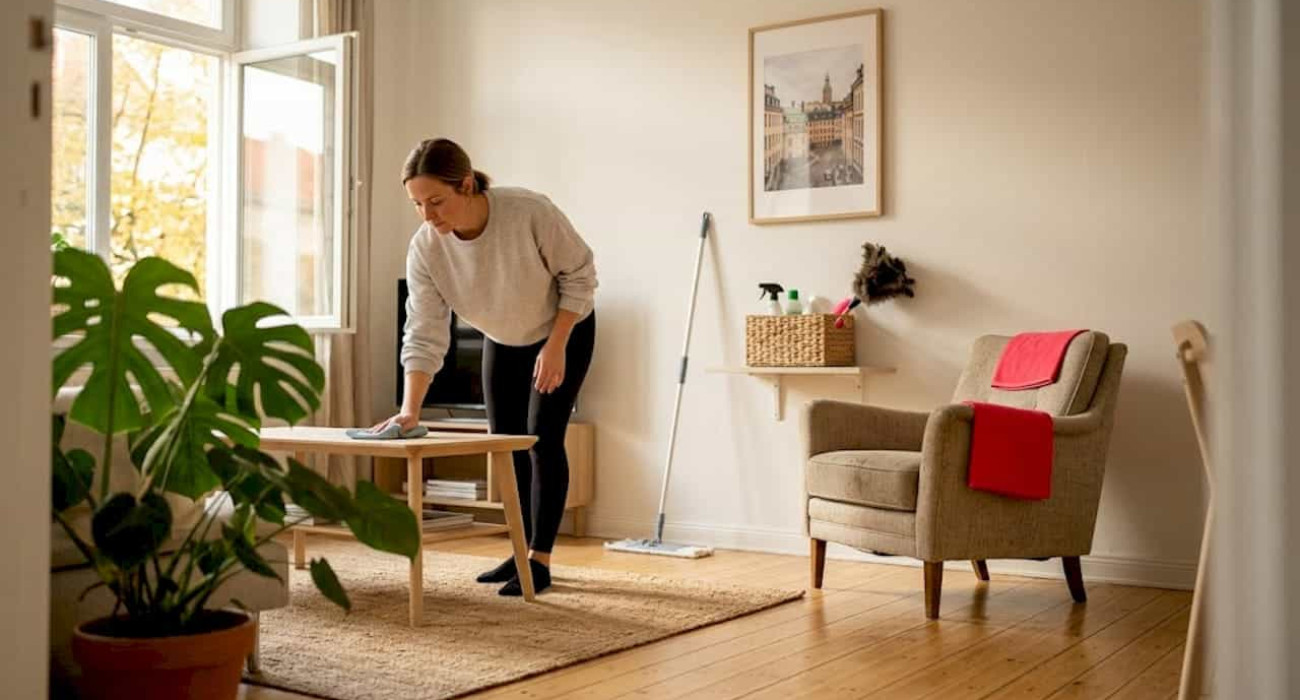
The most common and costly error new landlords make is underestimating what guests expect from a clean, well-maintained space. This is not about tidiness. It is about hotel-grade consistency. Guests who pay for a serviced property expect the same standard on day one as they do on their fifteenth night.
Poor cleaning lowers ratings and chips away at the property’s reputation in ways that are difficult to reverse. A single complaint about hair in the shower or a stained mattress becomes a public review, and that review stays visible to every future guest.
Key standards to build into your operation from the start:
- Use a professional cleaning service with a detailed checklist, not a general domestic cleaner
- Schedule deep cleans between longer stays, not just surface wipes
- Maintain a small stock of replacement items (light bulbs, batteries, kitchen essentials) so minor issues are fixed immediately
- Inspect the property personally after cleaning before each new guest arrives
Pro Tip: Create a photographic record of the property’s condition after every clean. It protects you legally and keeps your standards consistent over time.
Maintenance follows the same logic. A dripping tap or a squeaking door is a minor inconvenience to you. To a guest paying a premium rate, it signals that the property is not professionally managed. Budget for annual maintenance reserves of 1% to 3% of the property’s value to stay ahead of repairs rather than reacting to them.
2. Slow or inadequate communication with guests
Poor communication leads to lost trust, declining bookings, and bad reviews. Guests do not simply want a nice space. They want the confidence that someone is available if something goes wrong. When first-time property owners fail to reply promptly, guests assume the worst.
The expectation in serviced accommodation is a response within one to two hours during business hours, and within a reasonable window in the evening. Anything beyond that creates anxiety, and anxious guests write cautious reviews.
Common communication failures to avoid:
- Leaving check-in instructions unclear or incomplete, forcing guests to chase for details
- Ignoring messages for hours during a guest’s first day in the property
- Failing to follow up after check-in to confirm everything is in order
- Providing no emergency contact outside business hours
The fix is systematic, not personal. Set up automated messages for check-in details, welcome instructions, and check-out reminders. Use a single communication channel and stick to it. Proactive engagement, such as sending a brief welcome message the evening before arrival, significantly reduces the number of reactive queries you receive. Guests who feel informed from the start rarely escalate minor issues into negative reviews.
3. Poor furnishing and décor choices that reduce appeal
Furnishings are one of the first things guests judge in listing photographs, and one of the first things they experience on arrival. First-time property owners frequently make one of two errors: they furnish with personal taste rather than guest taste, or they cut costs in ways that guests notice immediately.

Highly personalised décor, family photographs, or eclectic furniture collections create a space that feels occupied rather than curated. Guests in serviced accommodation want to feel at home, not like they are borrowing someone else’s. Equally, low-quality furniture signals low investment and encourages careless treatment of the property.
The right approach balances durability with appeal:
- Choose neutral palettes (warm whites, soft greys, natural wood tones) that photograph well and appeal broadly
- Invest in a quality mattress and good bed linen. These are the two things guests comment on most
- Avoid irreplaceable or sentimental items. Breakages happen and you will resent them
- Select furniture that is easy to clean and difficult to damage
Pro Tip: Browse property listings from well-regarded operators in your area to calibrate what “good” looks like. Then match or exceed that standard before you list.
Guidance on maximising rental value through furnishing consistently points to quality basics over decorative flourishes. A comfortable bed in a clean, neutral room outperforms an ornate space with an uncomfortable mattress every time.
4. Weak guest screening practices
Skipping thorough guest screening is one of the most financially damaging mistakes to avoid as a landlord. Neglecting tenant screening is a primary cause of property damage, rent arrears, and disputes that absorb time and money far beyond the value of the booking.
First-time owners are often reluctant to screen guests rigorously because it feels unwelcoming. The reality is the opposite. A clear, professional screening process signals to good guests that the property is managed seriously, which is exactly what quality guests want.
A basic screening process for short to mid-term rentals should include:
- Identity verification through a government-issued document
- A short written agreement confirming house rules, damage responsibilities, and payment terms
- Upfront payment or a deposit held against potential damage
- A brief exchange of messages to assess communication tone before confirming the booking
For longer stays (beyond one month), employment verification and a previous landlord reference are worth requesting. Guests with nothing to hide will provide these without hesitation.
5. Setting unrealistic rental prices
Pricing errors are among the most frequent issues for first-time buyers and new landlords alike. Setting rates too high or too low directly affects occupancy, revenue, and the quality of guests you attract.
The table below illustrates the consequences of common pricing mistakes versus a market-informed approach.
| Pricing approach | Typical outcome |
|---|---|
| Priced significantly above market rate | Low occupancy, long vacant periods, frustrated owner |
| Priced below market to attract bookings | High occupancy but poor revenue; attracts price-sensitive guests who are harder to manage |
| Priced to match market without quality justification | Mediocre results; competing on volume rather than value |
| Priced to reflect quality, adjusted seasonally | Stable occupancy, better guest profile, stronger reviews |
Property taxes have risen approximately 25% since 2019 and insurance premiums have climbed substantially alongside them. This means pricing that felt sufficient two years ago may no longer cover operating costs. Review your rates quarterly, not annually, and account for all operating costs before settling on a number. Research comparable properties in your area, not just online listing averages, but properties of similar size, condition, and guest profile.
6. Ignoring how negative reviews affect future income
The long-term financial impact of poor reviews is one of the most underestimated new homeowner challenges in short-term and mid-term rental markets. Negative reviews reduce booking rates significantly, and the compounding effect over months can reduce annual income by more than any single operational mistake.
Guests make booking decisions based on review scores and written feedback. A property sitting at 3.8 stars loses guests to a comparable property at 4.6 stars without any price difference. That gap is almost always driven by the avoidable mistakes covered in this article: inconsistent cleaning, slow communication, and furnishing that disappointed.
To build and protect a strong review profile:
- Address complaints during the stay rather than after. A guest who feels heard mid-stay rarely writes a negative review
- Respond to every review, positive or negative, professionally and promptly
- Ask satisfied guests to leave feedback. Most guests who have a positive experience simply forget to review unless invited
Expert property managers add critical value in maintaining review profiles because they have systems in place to manage the guest experience consistently from arrival to departure. This consistency is difficult for a first-time owner managing alone to replicate without structure.
Joakim’s perspective: treat it as a business from day one
I have spoken with many first-time property owners who approach their first rental with the mindset of a helpful host rather than a professional operator. That instinct is generous. It is also the root of most of the problems I see.
When you treat a rental property as a business, you stop taking reviews personally and start reading them as operational data. You stop choosing furnishings you love and start choosing furnishings guests need. You stop hoping guests will be considerate and start putting systems in place so that they almost always are.
The owners who struggle most are those looking for quick fixes. They switch platforms, change pricing overnight, or redecorate after one bad month. In my experience, the properties that perform consistently are the ones where the owner invested in structure early: professional cleaning, clear communication templates, honest pricing, and a written screening process.
One thing I would challenge is the common belief that handling legal aspects casually is fine until something goes wrong. It rarely is. Know your rental agreements. Understand your obligations. Treat due diligence as protection, not paperwork.
Patience is not passive. It is the work of building something that holds.
— Joakim
How Guestlyhomes helps first-time property owners avoid costly mistakes
If the list above feels like a great deal to manage alone, that is because it is. The owners who see the strongest, most consistent results from their properties are typically those who have a trusted operator behind them.
Guestlyhomes is a premium, fully managed property operator based in Sweden, working with owners across the Nordics to deliver five-star guest experiences and reliable rental income. From housekeeping standards to guest screening, pricing strategy, and review management, Guestlyhomes handles the operational complexity so you do not have to. Whether you are drawn to a business villa property or a luxury lake view villa, the right partnership makes the difference between a stressful first rental and a profitable, hands-off one. Speak with the Guestlyhomes team to explore what managed ownership looks like in practice.
FAQ
What is the most common mistake first-time property owners make?
Underestimating cleaning and maintenance standards is the most frequently cited error. Poor property upkeep leads directly to negative reviews, which reduce future bookings and long-term rental income.
How much should I budget for ongoing property maintenance?
Setting aside 1% to 3% of the property’s value annually for maintenance is a widely recommended baseline. This covers routine repairs and helps you avoid reactive, costly fixes during a guest’s stay.
Why does guest screening matter for short-term rentals?
Thorough screening reduces the risk of property damage, payment disputes, and difficult guests. A simple process including identity verification and a signed agreement protects both your property and your income.
How do bad reviews affect rental income?
Negative reviews reduce booking rates significantly over time. Properties with lower overall scores consistently lose bookings to comparable higher-rated listings, even when pricing is identical.
Should a first-time landlord use a professional property manager?
For most first-time owners, professional management pays for itself through better occupancy rates, stronger reviews, and time saved. Expert property managers maintain the operational consistency that individual owners find difficult to sustain alone.