


Long winters and brief, intense summers shape daily life across Piteå, Luleå, Boden, and Nyköping in Northern Sweden. For HR managers coordinating employee relocation, the challenge is more than logistics—it is about adapting staff to a sub-Arctic climate and the dramatic daylight shifts unique to this region. By understanding how low population density and seasonal extremes affect wellbeing and integration, you can optimise both accommodation choices and support for a seamless transition.
Inhaltsübersicht
- Essential Facts: Living In Northern Sweden
- Adapting To Light And Seasonal Changes
- Daily Life: Outdoor Culture And Wellbeing
- Settling In: Work, Housing, And Integration
- Practical Tips For Smooth Relocation
Wichtigste Erkenntnisse
| Punkt | Einzelheiten |
|---|---|
| Cultural Adjustment | Embrace the outdoor lifestyle, as it is central to socialising and maintaining well-being throughout the year. |
| Seasonal Light Changes | Prepare for extreme daylight variations, using blackout curtains in summer and maximising light exposure in winter to regulate your circadian rhythm effectively. |
| Integration into Work Culture | Actively participate in workplace social activities, such as fika breaks, to build relationships and enhance cultural understanding. |
| Housing and Logistics | Secure housing and begin necessary registrations, including for utilities and healthcare, well before arrival to ensure a smooth transition. |
Essential Facts: Living In Northern Sweden
Northern Sweden operates by a different rhythm than the south. The region encompasses Västerbotten and Norrbotten counties, covering approximately one-third of the entire country yet hosting only around half a million residents across this vast expanse. This sparsity shapes everything about life here. You won’t find the urban density of Stockholm or Gothenburg. Instead, you’ll encounter a sub-Arctic climate with winters that stretch longer than you might expect and summers that arrive briefly but intensely. The landscape itself dictates how people live. Forests dominate the terrain. Mining and forestry remain economic anchors alongside growing tourism. This isn’t a region where you relocate and instantly blend into crowds. It’s a place where community matters because communities are smaller.
What makes Northern Sweden particularly distinctive is the climate’s dramatic effect on daily life. Winter darkness isn’t metaphorical here. During the polar night, the sun barely rises above the horizon or doesn’t appear at all for weeks. This affects mood, sleep patterns, and social rhythms in ways that southern Sweden simply doesn’t experience. Conversely, summer brings the midnight sun, where daylight stretches across nearly the entire 24-hour cycle. Your body requires intentional adjustment. Most people new to the region need 4-6 weeks to acclimate to these light extremes. The indigenous Sámi populations, who have lived in Northern Sweden for centuries, have developed cultural and economic systems perfectly adapted to these conditions, including traditional reindeer herding that depends entirely on understanding seasonal shifts. The region has become increasingly important for climate research, with facilities such as the Abisko Scientific Research Station conducting critical studies on Arctic environmental change.
For those relocating with work commitments, understanding the economic landscape matters. Northern Sweden’s economy isn’t diversifying through accident. The region is actively pursuing sustainable development across economic, social, and environmental dimensions. Tech companies increasingly establish operations here, drawn by cost efficiency and digital infrastructure. However, seasonal work patterns exist. July sees many businesses operating with skeleton crews as Swedes take their guaranteed 25 paid vacation days, often simultaneously. This cultural norm means planning around the summer shutdown is essential. The cost of living is generally lower than southern Sweden, though imported goods cost more. Healthcare and essential services are accessible but can require travel to regional centres. Winter accessibility to remote areas sometimes depends on road conditions, which shift rapidly during cold months.
Practical adjustment requires acknowledging what actually matters in Northern Swedish culture. Punctuality isn’t optional. People arrive exactly on time, never late. Personal space is valued, particularly in the sparsely populated north. The concept of fika—a coffee break with pastry and conversation—remains sacred in workplace culture. You’ll notice queuing is orderly and people respect personal boundaries during these pauses. Cashless payments dominate; many establishments now refuse cash entirely. Swedish is the working language despite widespread English proficiency among younger residents. Learning the language genuinely accelerates integration and access to bureaucratic processes. The Systembolaget state monopoly controls alcohol sales, so spirits aren’t available in regular shops. Sauna culture runs deep here, reflecting Scandinavian tradition and practical warmth-seeking during brutal winters. Most homes include saunas, and public bathing is completely normalised and gender-segregated.
Professional tip Plan your arrival for late spring or early summer to experience milder weather and midnight sun during your transition period, which significantly eases the psychological adjustment to Northern Swedish life.
Adapting To Light And Seasonal Changes
Your body will notice what your mind hasn’t yet processed. The light changes in Northern Sweden aren’t subtle shifts. They’re extreme oscillations that fundamentally reshape how you experience time itself. During summer, the midnight sun means daylight stretches across the entire 24-hour cycle, sometimes for weeks. During winter, the polar night reverses this entirely—the sun barely crests the horizon or disappears altogether. This isn’t poetic exaggeration. It’s the physical reality of living north of the Arctic Circle or near it. The extreme variations in daylight across seasons directly impact your circadian rhythm, sleep quality, mood regulation, and energy levels. Most people relocating to Northern Sweden underestimate this adjustment. You can’t simply “get used to it.” You need a strategic response.
Winter darkness hits hardest. When daylight becomes a scarce resource, your brain reacts. Melatonin production spikes. Your body believes it should be sleeping. Energy dips. Motivation follows. Many professionals relocating for work find themselves struggling with focus and mood during January and February when darkness feels permanent. The solution requires deliberate action rather than passive acceptance. Step outside when sunlight appears, no matter how brief. Morning light exposure directly counteracts the darkness effect. Even 20 minutes of outdoor daylight, particularly in the late morning, measurably improves mood and circadian regulation. Interior lighting matters too. Use bright, white-spectrum lights in your workspace and home during dark months. Some people invest in light therapy lamps designed specifically for seasonal affective patterns. The investment pays itself back through improved productivity and mental clarity. Your accommodation choice influences this significantly. Properties with large windows, south-facing orientation, and bright interiors perform better during winter months. When selecting where to live, this factor deserves serious weight alongside commute time and cost.
Summer adaptation follows opposite logic. The midnight sun prevents your body from signalling sleep time. Melatonin stays suppressed. Your brain remains alert when it should rest. Sleep becomes difficult without intervention. This sounds preferable to winter darkness until you’re exhausted at 3 a.m. despite “sleeping” for seven hours. The practical solution is equally straightforward: blackout curtains or eye masks become essential purchases. Use thick, lined curtains that block exterior light completely. Many Northern Swedish homes include these as standard. Establish fixed sleep routines despite the light. Go to bed at the same time each night. Create darkness artificially in your bedroom. This signals your body that sleep time has arrived. Some people find maintaining exercise routines during summer easier because daylight extends working hours, but this creates a trap. Without intentional boundaries, work bleeds into what should be personal time because it’s still bright outside at 9 p.m. Set artificial cut-off times regardless of daylight.
Here’s how winter and summer light extremes differ in Northern Sweden:
| Saison | Daylight Pattern | Main Challenge | Key Adaptation |
|---|---|---|---|
| Winter | Minimal daylight, polar night | Low energy, mood impact | Maximise light exposure |
| Summer | Midnight sun, 24-hour daylight | Suppressed sleep signals | Use blackout curtains |
The broader seasonal rhythm affects work culture and social planning. July is effectively a shutdown month when most businesses operate minimally. Planning important projects or meetings during July guarantees complications. Conversely, the autumn period from August through October sees intense productivity as people rush to complete work before winter darkness. Understanding this cultural pattern helps you align your own goals and expectations. Winter months, despite darkness, often bring closer workplace bonding through indoor social activities, team events, and indoor sports. Outdoor activities continue but shift forms. Skiing replaces hiking. Ice skating replaces swimming. Snowmobiling becomes transport and recreation simultaneously. Your company’s relocation support package should ideally include guidance on seasonal activity transitions. Properties managed by accommodation specialists typically understand these seasonal needs and provide appropriate furnishings and equipment accordingly.
Professional tip Invest in blackout curtains immediately upon arrival and establish a consistent sleep schedule within your first week, regardless of season, to anchor your circadian rhythm before light extremes become psychologically challenging.
Daily Life: Outdoor Culture And Wellbeing
In Northern Sweden, the outdoors isn’t a weekend destination. It’s where life actually happens. This distinction matters because it shapes how you’ll spend your time, build relationships, and maintain mental health during your relocation. The outdoor culture runs deeper than casual recreation. The Sámi people’s longstanding outdoor lifestyle demonstrates how deeply connected this region’s inhabitants are to nature through reindeer herding, fishing, hunting, and seasonal festivals. This isn’t historical context. It’s the living reality you’ll encounter. Your colleagues will invite you to hiking trips in September. Your neighbours will be skiing in February. Fitness doesn’t happen in gym classes here; it happens on trails and frozen lakes. For professionals relocating with teams, understanding this cultural expectation helps you integrate faster. The outdoor culture isn’t aspirational or promotional. It’s simply how people maintain physical health, mental clarity, and social bonds through the year.
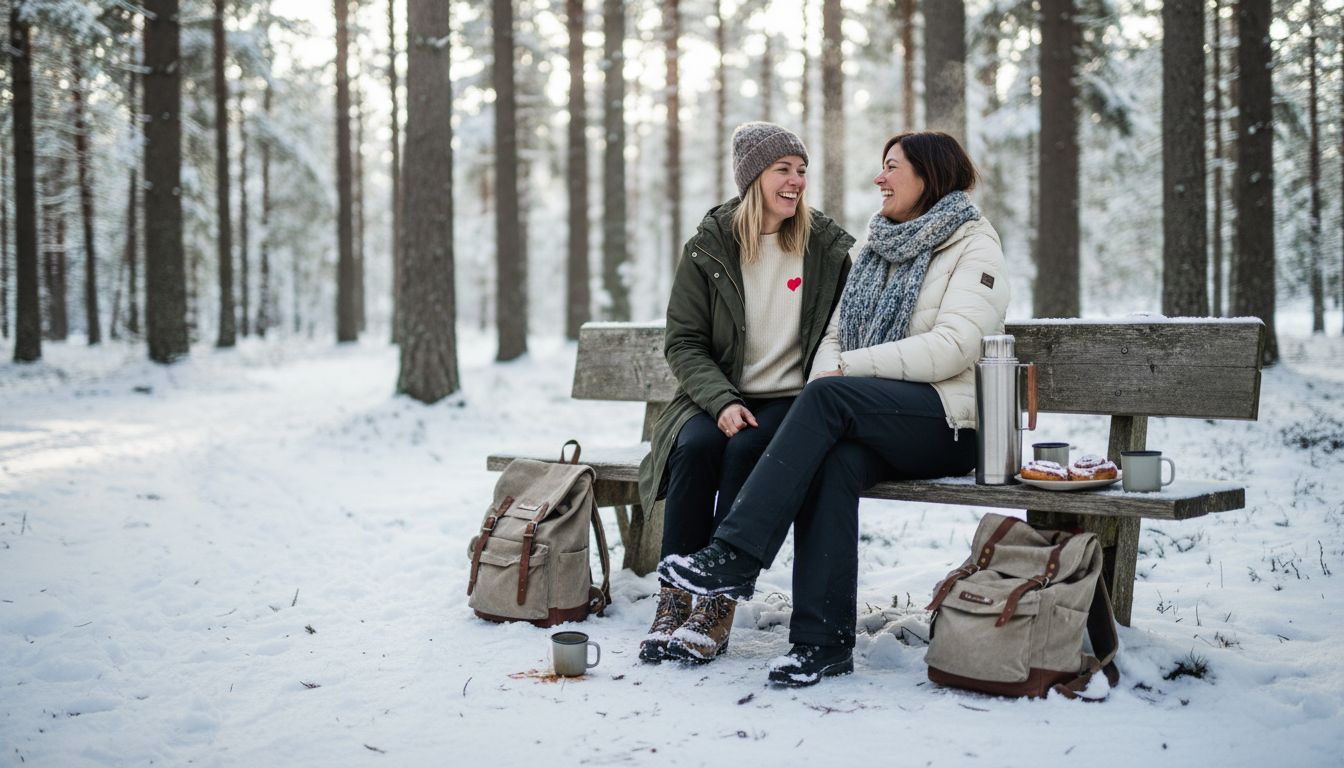
Winter transforms outdoor engagement entirely, and you’ll need proper equipment and realistic expectations. Skiing isn’t optional in Northern Sweden; it’s transport and recreation combined. Cross-country skiing, downhill skiing, and snowmobiling are standard winter activities. Ice skating on frozen lakes is common. Snowshoeing and winter hiking continue year-round. This requires investment in proper clothing and equipment. Standard winter jackets don’t suffice. You need layered systems with thermal bases, insulating midlayers, and waterproof shells. Wool is non-negotiable—cotton traps moisture and causes hypothermia risk. Boots must be insulated and waterproof. Gloves, hats, and face protection become essential. This isn’t fashion. This is survival-level preparation. For HR managers coordinating team relocations, budgeting for winter equipment is a practical consideration. Many companies provide or subsidise cold-weather gear for employees. Summer outdoor culture shifts to hiking, swimming in lakes, and open-water activities. The midnight sun creates extended daylight for evening outings. Mosquitoes become a genuine concern during June and July, so insect repellent and appropriate clothing matter.
The wellbeing connection runs measurably through the research. Environmental stewardship and sustainable interaction with nature enhance community health and resilience. This means outdoor activity directly supports mental health, particularly during difficult seasons. Winter darkness diminishes without outdoor exposure, even brief exposure. Summer’s extended daylight makes evening outdoor time psychologically restorative. Workplace culture reflects this. Companies organise team hikes, cross-country skiing events, and outdoor team-building activities. These aren’t wellness theatre. They’re genuine cultural practices that build camaraderie and improve employee wellbeing metrics. Gyms exist and operate year-round, but they supplement outdoor activity rather than replace it. Indoor sports like badminton and ice hockey provide social structure. Swimming facilities include both indoor pools and outdoor summer bathing areas. Sauna culture remains integral—nearly all homes and many workplaces include saunas where people gather socially and recover physically from outdoor exertion.
Your accommodation choice influences outdoor access meaningfully. Properties with proximity to forests, lakes, or hiking trails provide immediate outdoor access without requiring transport. Many Guestly Homes locations prioritise these proximity factors specifically because outdoor access affects resident wellbeing and satisfaction. The gym access included in premium accommodation packages serves as winter backup during extreme weather, but the expectation remains that you’ll spend substantial time outdoors regardless of season. Employees new to the region often report that embracing outdoor culture, rather than resisting it, dramatically improves their experience. The initial resistance—cold, darkness, unfamiliar activities—transforms into genuine enjoyment once proper equipment and realistic expectations align. Team coordinators should consider organising introductory outdoor activities early in the relocation process. This normalises participation and builds social connection simultaneously. Seasonal transition activities matter too. Autumn hiking in September builds autumn appreciation. Winter equipment training in November prevents injuries. Spring activity shifts in April signal season change without disruption.
Professional tip Invest in proper winter equipment during your first month and join a workplace outdoor group immediately, as this accelerates both equipment competency and social integration far more effectively than passive observation.
Settling In: Work, Housing, And Integration
Your first weeks in Northern Sweden require strategic attention to three interconnected elements: securing appropriate housing, establishing yourself professionally, and building meaningful community connections. These three elements aren’t sequential. They overlap and reinforce each other. Housing proximity to your workplace affects commute stress and integration speed. Your workplace becomes your primary social network initially. Your accommodation quality directly influences your ability to settle mentally and physically. The job market in Northern Sweden differs from the south. Tech companies are expanding rapidly, driven by cost advantages and digital infrastructure. Green energy and sustainable development sectors offer growth opportunities. Traditional industries—forestry, mining, manufacturing—remain stable employers. Labour market integration focuses on skill development and employment opportunities, meaning your professional qualifications matter significantly, but so does demonstrating willingness to engage with Swedish workplace culture. Most positions require basic Swedish language competency for day-to-day function, even if English dominates technical discussions. This reality shapes your first-month priorities.
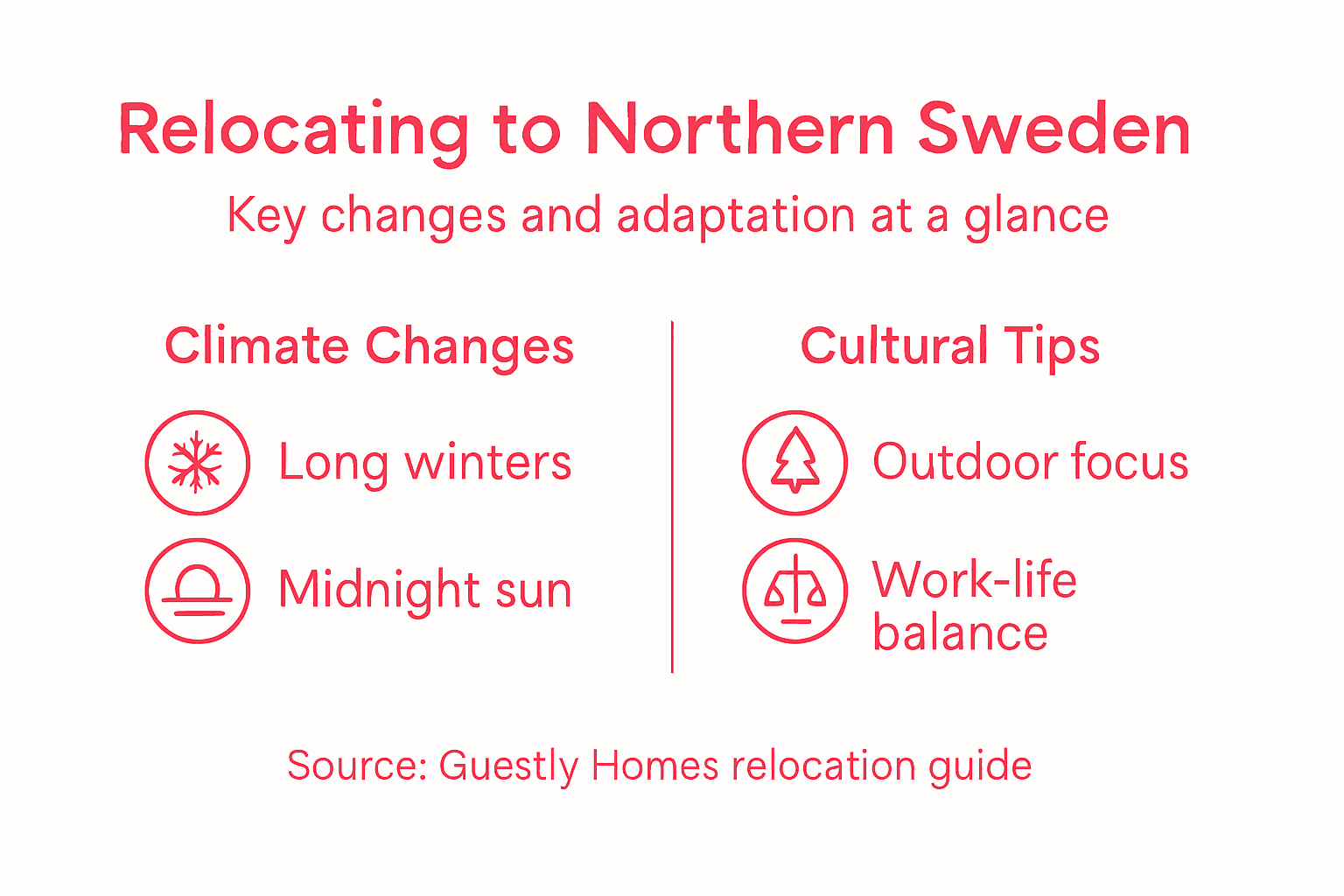
Housing demands attention immediately upon relocation approval. Finding housing can be competitive, especially in cities, and foreigners can buy property with no citizenship requirement, though purchasing involves legal contract navigation that favours professional guidance. In reality, rental housing works better for initial relocations. Northern Swedish rental markets move quickly. Properties in Piteå, Luleå, and Boden are in demand, particularly furnished accommodation suitable for extended stays. Booking accommodation early—ideally 2–3 months before arrival—prevents scrambling during your final relocation weeks. Many organisations coordinate relocation through specialised accommodation providers who understand employee needs, provide furnished properties, handle utilities setup, and offer continuity if your situation changes. Your HR team should prioritise this. The cost of housing varies significantly. Central locations command premiums. Proximity to your workplace justifies slightly higher rent by eliminating commute stress and enabling faster integration. Properties with modern heating systems, insulation, and bright interiors cost more but perform better during winter months. This investment affects your mental health and work performance measurably. Shared accommodation during initial settlement sometimes works well, providing built-in social connection and faster integration into local networks.
Professional integration happens through deliberate participation rather than passive employment. Swedish workplaces operate informally despite appearing structured. Titles matter less than contribution. First-name basis is universal, regardless of seniority. Your manager expects direct communication and initiative. Meetings include genuine discussion rather than hierarchical pronouncement. Committees and consensus-building characterise decision-making, meaning patience with process matters more than speed to conclusion. Your first month involves learning these rhythms through observation and asking clarifying questions without defensiveness. Most colleagues will support newcomers actively. Team outings, fika breaks, and lunch routines provide social structure. Participation in these isn’t optional. They’re where workplace relationships form and cultural understanding develops. Language barriers diminish through regular participation. Colleagues adjust their English naturally for inclusion. Many will speak Swedish to each other and English when you’re present. Some workplaces offer Swedish lessons as employee benefits. Taking advantage of this accelerates integration and demonstrates genuine commitment to settling. The workplace becomes your stability anchor during the psychological adjustment to Northern Sweden’s climate, darkness, and cultural differences.
Integration beyond work requires intentional effort but accelerates through specific actions. Join local sports clubs, outdoor groups, or hobby communities quickly. These provide regular social contact with locals outside work and give you practical skill development in winter activities. Religious organisations, cultural associations, or volunteer groups exist in most towns. Participation signals integration commitment and builds friendship networks. Language learning should continue beyond any employer-provided lessons. Community colleges offer Swedish courses specifically for immigrants and professionals. These classes provide language skill advancement and connections with others navigating similar transitions. Cultural events, festivals, and seasonal celebrations provide integration opportunities. August brings summer festivals. December features Christmas markets. Autumn brings cultural weeks. Participation normalises your presence and builds community belonging. Your accommodation provider can suggest local integration resources, community groups, and cultural events. Premium accommodation providers often facilitate guest connections and community introductions as part of their service model, recognising that settled residents become long-term residents.
Professional tip Book your accommodation 8–10 weeks before arrival with a provider experienced in professional relocations, and join at least one workplace social group and one community-based hobby or sports group within your first month to establish dual social networks simultaneously.
Practical Tips For Smooth Relocation
Relocation success depends on managing logistics before emotional adjustment begins. Your first two weeks will feel chaotic if essential services remain unresolved. Banking, communication, registration, and transportation require immediate attention. These aren’t complex tasks individually, but their coordination matters significantly. Start with housing confirmation and utilities connection. Electricity, water, heating, and internet must function before arrival. Most furnished accommodation providers handle this automatically, but rental properties require your direct action. Contact your landlord or property manager 4 weeks before arrival to confirm utilities are active on your move-in date. Swedish utilities operate digitally. You’ll receive online accounts and payment instructions. Debit cards or bank transfers are standard payment methods. Next, secure a Swedish personal identification number (personnummer) through registration with the local tax authority. This number underpins all Swedish bureaucratic processes: employment, banking, housing contracts, healthcare access. Your employer typically manages this registration for employees, but confirm this explicitly. Without it, you cannot open bank accounts or access healthcare. The registration process takes approximately one week once initiated. Communication services require early setup. Mobile SIM cards are inexpensive and available immediately upon arrival from providers like Telia, Telenor, or Vodafone. Swedish personal data registration means you’ll receive confirmation codes for digital services through your phone number. WiFi installation typically requires scheduling 1-2 weeks in advance. Coordinate this timing with your arrival. Having these three elements—housing, identification process initiated, and communication active—creates foundational stability before your first workday.
Below is a summary of essential first-month relocation tasks and why they matter:
| Task | Warum es wichtig ist | Typical Timeline |
|---|---|---|
| Housing confirmation | Ensures immediate stability | 2-3 months pre-arrival |
| Personnummer registration | Unlocks all public services | 1 week post-arrival |
| Banking setup | Enables salary, cashless payments | After personnummer issued |
| Utilities connection | Guarantees comfortable living | 4 weeks pre-arrival |
| Transport planning | Secures reliable winter commuting | Before first workday |
Transportation planning shapes your daily experience more than you might expect. Northern Sweden requires reliable transport during winter months. Private car ownership costs significantly due to fuel prices and insurance, but remains practical in smaller towns with limited public transport. Public buses connect major towns, operate year-round, and include winter route adjustments. Train services link Luleå, Boden, and Piteå but run limited frequency. Monthly public transport passes cost roughly 400 to 600 Swedish kronor depending on your region. If driving, budget for winter tyres (mandatory from December through March in most Swedish regions), which cost approximately 2,000 to 3,000 kronor per set. Vehicle maintenance during winter includes checking battery condition, coolant strength, and brake fluid. These preparations prevent winter breakdown complications. Cycling exists even during winter in Northern Sweden, though it requires appropriate equipment and confidence. Your workplace relocation package should clarify transport expectations and available subsidies. Many employers offer transport allowances or subsidised public transport passes. Understanding communication services and local transportation options accelerates your independence and reduces relocation stress significantly.
Financial preparation requires understanding Swedish costs and banking systems. Sweden ranks among Europe’s most expensive countries. Rent, groceries, and dining out cost substantially more than many European alternatives. Budget accordingly when calculating relocation expenses. Banking requires a Swedish bank account. Major banks include Skandinaviska Enskilda Banken (SEB), Swedbank, and Nordea. Opening accounts requires your personnummer, which means registration completion is prerequisite. Online banking dominates. Most Swedes never visit bank branches. Mobile banking apps handle nearly all transactions. Cashless payments are standard. Many shops refuse cash entirely. Contactless card payments and mobile payment apps like Swish are ubiquitous. Swish allows instant peer-to-peer money transfers using only phone numbers. Setting up a Swish account immediately upon banking arrival simplifies splitting costs with colleagues and friends. Employment contracts specify salary payment frequency, typically monthly. Tax withholding is automatic. Your payslip clearly shows gross salary, taxes, and net payment. Understanding Swedish tax structures prevents surprises. Most professionals in Northern Sweden pay approximately 30-35% combined income tax and employee contributions. Tax deductions exist for certain expenses, but complexity suggests consulting a Swedish accountant during your first year.
Registration and documentation represent the final practical layer. Upon arrival, register with your local municipality (kommun) within one week. This finalises your personnummer assignment and enables healthcare access. Bring your passport, housing contract, and employment letter. Registration takes approximately 20 minutes. Healthcare registration happens automatically upon municipal registration. Swedish healthcare operates through regional systems. You’ll be assigned a primary care centre (vårdcentral) based on your residence. Preventive care is free. Specialist consultations and medications involve small fees. Dental care isn’t covered in the national system; private dental providers charge standard market rates. If you have family members relocating with you, register them simultaneously. Children automatically receive Swedish identity numbers and healthcare access. Schools require registration separately; contact your local education authority (skolforvaltningen) for information on school selection and enrollment timelines. Moving to a region with established relocation support means these administrative tasks often receive guidance from your HR department or accommodation provider. Understanding legal requirements and seeking professional resources for contracts prevents costly mistakes during relocation. Many HR managers coordinate these registrations as standard relocation support, but confirming this explicitly prevents gaps in your preparation timeline.
Professional tip Complete banking setup, utilities connection confirmation, and personnummer registration initiation at least 4 weeks before arrival, and schedule your mobile SIM card purchase for your arrival day to establish communication independence immediately.
Seamless Living Solutions for Your Northern Sweden Relocation
Relocating to Northern Sweden means navigating unique challenges such as extreme light variations, seasonal adaptation, and the crucial need for comfortable, well-equipped housing close to nature and work. These factors influence your daily wellbeing and professional performance. Key pain points include securing reliable accommodation designed for long stays, coping with the winter darkness through optimal living spaces, and integrating smoothly into local lifestyle rhythms.
At Guestly Homes, we understand these specific needs. Our premium, fully managed homes offer bright, well-insulated spaces with features like blackout curtains and proximity to outdoor amenities. Designed especially for professionals and project teams, our serviced apartments and villas provide a calm, supportive environment essential during Northern Sweden’s demanding climate. Plus, we handle all the complexities—from utilities setup to ongoing property management—so you focus on adapting and thriving. Discover how effortless extended stays can be with Guestly Homes.
Ready to make your Northern Sweden transition smooth and successful? Explore our tailored housing solutions today at Guestly Homes and experience hassle-free, high-standard living crafted for your performance and peace of mind. Learn more about how we support professionals like you at Guestly Homes and secure your ideal stay before you arrive. Don’t wait let Guestly Homes be your reliable partner throughout this exciting journey.
Häufig gestellte Fragen
What is the climate like in Northern Sweden?
The climate in Northern Sweden is characterised by a sub-Arctic environment, leading to long winters and brief, intense summers. During the winter, daylight is minimal, while summer features the phenomenon of the midnight sun, where daylight lasts nearly 24 hours.
How does light variation impact daily life in Northern Sweden?
The extreme light variations significantly affect circadian rhythms, mood, and energy levels. During the polar night in winter, many individuals experience low energy and mood fluctuations, while the continuous daylight of summer can disrupt sleep patterns. Deliberate adjustments, such as light exposure and establishing sleep routines, are important for acclimatisation.
What outdoor activities are popular in Northern Sweden?
Outdoor activities are integral to life in Northern Sweden, with skiing, snowmobiling, and ice skating prevalent in winter. In the summer, hiking, swimming, and exploring the forests are common. This outdoor culture is essential for physical health, mental wellbeing, and social bonding.
What should I prioritise when relocating to Northern Sweden?
When relocating, it’s crucial to focus on securing appropriate housing, establishing professional connections, and integrating into the local community. Housing should ideally be close to work to reduce commute stress. Learning the language and participating in local activities can significantly ease the transition.
Empfohlen
- Winteraktivitäten in Nordschweden | Guestly Homes
- What to Know About Relocating to Luleå – Guestly Homes
- Living and Working in Norrbotten – How to Feel at Home Easily – Guestly Homes
- Which Companies Offer Corporate Housing with Flexible Leases in Northern Sweden? – Guestly Homes
- Switching to Organic: Step-by-Step Guide for Healthier Living – naturessoulshop