


Over 60 percent of property owners in Sweden worry about inconsistent rental income and increasing maintenance costs for premium apartments. The demand for professional property management in cities like Piteå, Luleå, Boden, and Nyköping has grown sharply as more british and Swedish investors look for proven ways to protect and elevate their assets. This guide examines the specific roles and responsibilities a property manager must deliver to ensure reliable earnings and long-term value, giving owners the clarity they need to make confident decisions.
Inhaltsübersicht
- Property Management: Roles And Responsibilities
- Specialisation And Local Expertise Matter
- Transparent Pricing, Contracts, And Reporting
- Guest Screening And Maintenance Routines
- Compliance, Insurance, And Risk Prevention
- Accountability Through Systems, Not Promises
Wichtigste Erkenntnisse
| Punkt | Einzelheiten |
|---|---|
| Umfassendes Immobilienmanagement | Involves daily operations and strategic planning to optimise asset performance and value. |
| Local Expertise | Critical for understanding regional dynamics, ensuring compliance, and tailoring management strategies to specific markets. |
| Transparent Practices | Establishes trust through clear pricing, contracts, and performance reporting, enhancing stakeholder relationships. |
| Systematic Accountability | Relies on measurable processes and documented policies to ensure consistent performance and operational transparency. |
Property management: roles and responsibilities
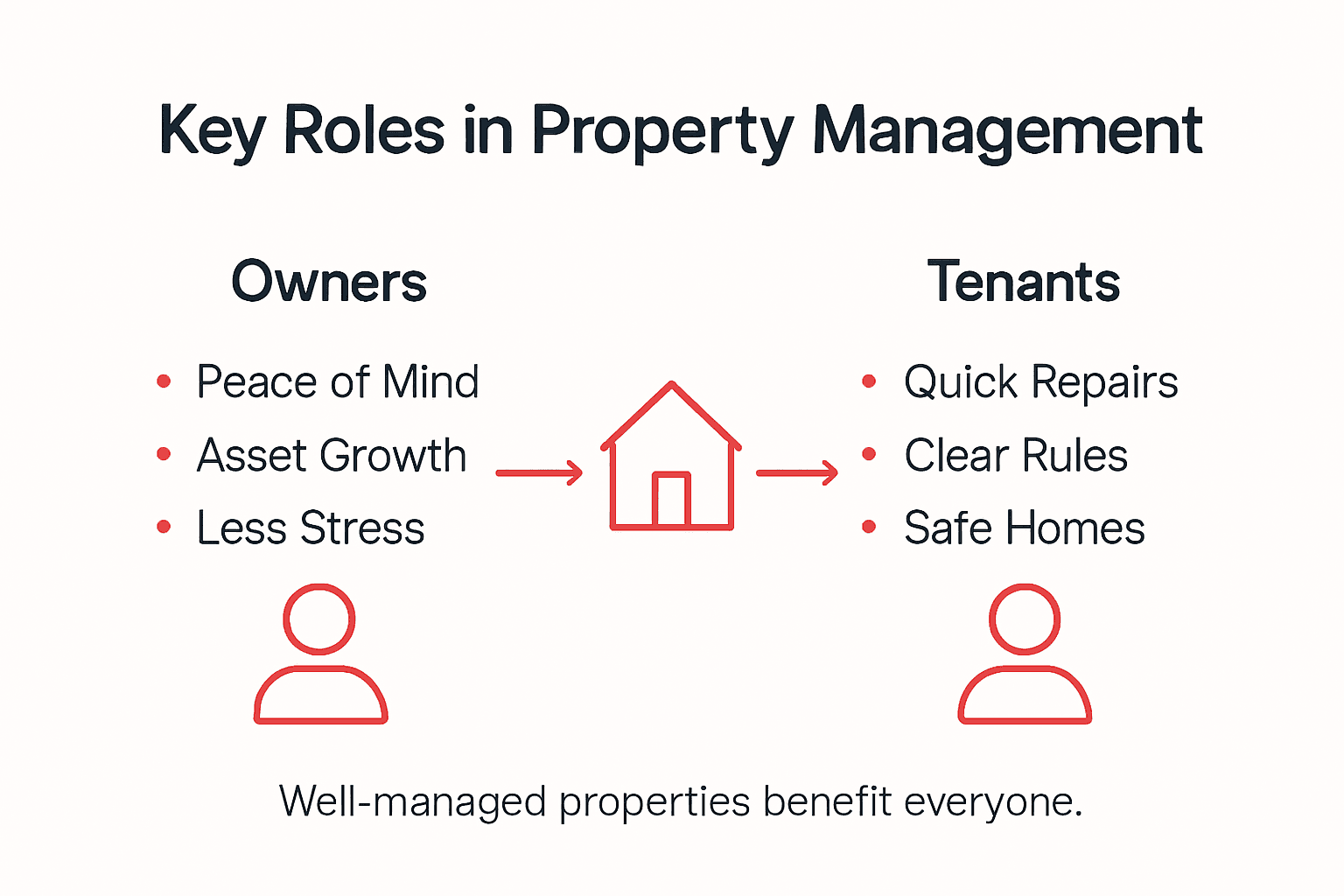
Property management represents a comprehensive approach to maintaining, operating, and optimising real estate assets for optimal performance and value preservation. Property managers serve as critical intermediaries between property owners, tenants, and various stakeholders, ensuring smooth operational workflows and strategic asset management.
At its core, property management encompasses multiple essential responsibilities. These include day-to-day operational aspects of property maintenance, such as coordinating repairs, managing tenant relationships, collecting rent, and ensuring regulatory compliance. Beyond immediate operational tasks, property managers also focus on strategic elements like financial planning, risk mitigation, and long-term asset value enhancement.
The role requires a multifaceted skill set that blends technical property knowledge with interpersonal communication, financial acumen, and strategic thinking. Property managers must balance economic objectives with maintaining high-quality living or working environments. This involves systematic approaches to maintenance, proactive problem-solving, transparent communication, and continuous performance monitoring. Key responsibilities typically include:
- Tenant screening and lease management
- Einziehung von Mieten und Finanzberichterstattung
- Koordinierung der Instandhaltung und Reparatur von Immobilien
- Einhaltung der örtlichen Vorschriften für den Wohnungsbau
- Risk management and insurance oversight
- Regelmäßige Bewertung des Zustands der Immobilien
Successful property management ultimately transforms real estate from a passive asset into a dynamic, well-maintained investment that generates consistent returns while preserving long-term value.
For a concise overview, here is how core property management responsibilities impact both owners and tenants:
| Responsibility Area | Nutzen für Eigentümer | Benefit for Tenants |
|---|---|---|
| Rent collection | Predictable cash flow | Clear payment process |
| Maintenance coordination | Asset value preservation | Comfortable living conditions |
| Compliance management | Risk reduction | Safety and legal security |
| Tenant communication | Higher retention rates | Reaktionsschnelle Unterstützung |
| Financial reporting | Investment transparency | Trust in property managers |
Pro tip: Conduct quarterly comprehensive property assessments to identify potential maintenance issues before they become costly problems.
Specialisation and local expertise matter
Local expertise represents a critical differentiator in effective property management, transforming generic services into nuanced, contextually intelligent solutions. Understanding regional economic trends and regulatory environments goes far beyond basic operational requirements, creating strategic advantages for property owners and investors.
In the context of Swedish property markets, specialisation means comprehending intricate local dynamics that influence property performance. This includes deep knowledge of municipal regulations, tenant rights, cultural preferences, and microeconomic factors specific to regions like Piteå, Luleå, and Nyköping. Property managers with specialised local expertise can anticipate market shifts, navigate complex regulatory landscapes, and develop tailored strategies that generic, non-specialised management approaches cannot replicate.
Effective local expertise encompasses several critical dimensions:
- Precise understanding of regional housing regulations
- Insights into local economic development patterns
- Knowledge of neighbourhood-specific tenant expectations
- Awareness of municipal infrastructure and urban planning initiatives
- Understanding cultural nuances that impact property utilisation
- Ability to predict and respond to localised market trends
Local property management expertise ensures compliance and optimises investment strategies by translating broad economic principles into actionable, contextually relevant approaches. This granular understanding allows property managers to make informed decisions that protect and enhance property value while meeting the specific needs of local stakeholders.
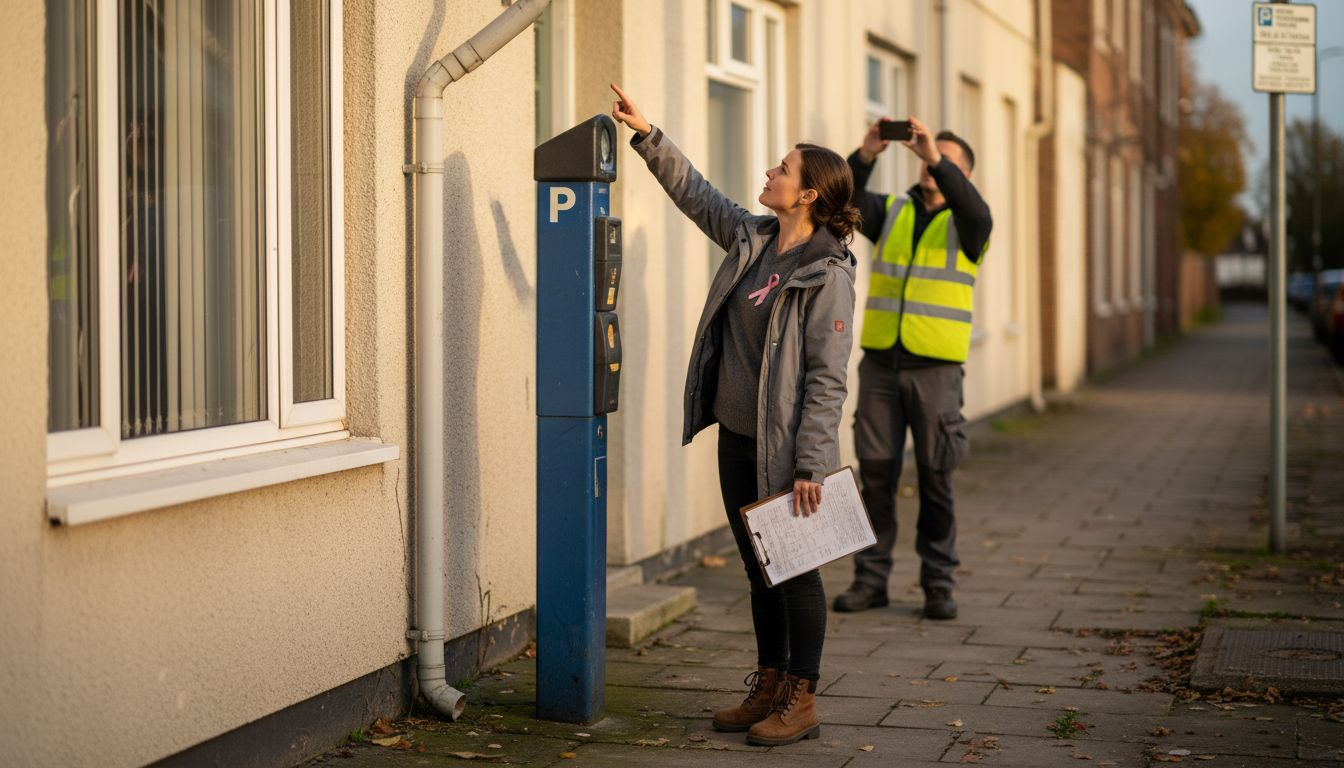
To illustrate the value of local expertise, compare standard and specialised property management approaches:
| Approach | Standard Management | Local Specialised Management |
|---|---|---|
| Regulation knowledge | General understanding | Up-to-date with local changes |
| Market adaptation | Slow to respond | Rapid, proactive adjustments |
| Tenant relations | Generic processes | Tailored to local expectations |
| Investment outcomes | Average performance | Optimised returns for region |
Pro tip: Conduct regular local market research and maintain relationships with municipal authorities to stay ahead of regulatory changes and emerging property trends.
Transparent pricing, contracts, and reporting
Transparency in property management represents a fundamental principle of trust and accountability, establishing clear expectations between property owners and management partners. Comprehensive documentation of contracts, pricing strategies, and reporting procedures ensures a robust framework that protects the interests of all stakeholders and minimises potential misunderstandings.
Effective transparent pricing models go beyond simple fee structures. They encompass detailed breakdowns of management costs, potential additional expenses, revenue sharing mechanisms, and precise performance metrics. This approach allows property owners to understand exactly how their investment is being managed, with no hidden charges or ambiguous financial arrangements. Standardised contracts and regular reporting help avoid disputes and enhance financial oversight, creating a predictable and professional management environment.
Key elements of transparent property management documentation include:
- Comprehensive fee structure with itemised services
- Clear revenue sharing percentages
- Detailed maintenance and repair cost protocols
- Regular financial reporting schedules
- Metriken für das Leistungsbenchmarking
- Explicit contract termination and renewal conditions
- Transparent communication channels for queries and concerns
By prioritising clarity and comprehensive reporting, property management companies demonstrate their commitment to professional standards and build long-term trust with property owners. This approach transforms financial interactions from potential sources of tension into collaborative, mutually beneficial partnerships that prioritise transparency and mutual understanding.
Pro tip: Request a monthly comprehensive financial report with line-item breakdowns to maintain complete visibility into your property’s performance and management expenses.
Guest screening and maintenance routines
Guest screening represents a critical first line of defence in professional property management, designed to protect property investments and create stable, reliable tenancy environments. Comprehensive tenant evaluation processes assess potential risks and ensure property asset protection, going far beyond simple background checks to create holistic tenant profiles.
Effective screening involves multiple layers of verification, including detailed assessments of credit history, rental background, and personal references. This multi-dimensional approach allows property managers to identify potentially problematic tenants before they become long-term challenges. The goal is not to exclude tenants arbitrarily, but to create a fair, systematic approach that protects both property owners and responsible renters.
Key components of a robust guest screening process include:
- Comprehensive credit score evaluation
- Verifiable employment and income documentation
- Previous rental history and landlord references
- Criminal background checks
- Personal and professional character assessments
- Income-to-rent ratio verification
- Emergency contact information validation
Parallel to screening, maintenance routines form the backbone of property preservation. Regular, systematic inspections and proactive repair strategies prevent minor issues from escalating into costly repairs. These routines encompass everything from quarterly structural assessments to immediate response protocols for urgent maintenance requests, ensuring properties remain in optimal condition and tenant satisfaction remains high.
Pro tip: Develop a standardised screening checklist with weighted criteria to ensure consistent, fair, and comprehensive tenant evaluations.
Compliance, insurance, and risk prevention
Risk management in property operations represents a sophisticated approach to protecting property assets through strategic planning and comprehensive protective measures. Property managers must ensure robust compliance with housing laws, safety codes, and civil rights obligations, creating a framework that minimises potential legal and financial vulnerabilities.
Comprehensive risk prevention strategies go beyond basic insurance coverage. Proactive management protocols include systematic property security measures, damage prevention techniques, and meticulous incident reporting mechanisms, designed to identify and mitigate potential challenges before they escalate into significant problems. This approach transforms risk from an unpredictable threat into a manageable, structured element of property operations.
Key elements of effective compliance and risk management include:
- Comprehensive insurance policy coverage
- Regular safety and structural inspections
- Detailed documentation of property conditions
- Adherence to local and national housing regulations
- Systematic tenant screening processes
- Emergency response and incident management protocols
- Regular staff training on legal and safety requirements
- Transparent communication with property owners and tenants
Successful risk prevention requires a holistic approach that integrates legal compliance, financial protection, and operational excellence. By implementing structured risk management strategies, property managers can create environments that are not only legally sound but also provide peace of mind for property owners and tenants alike.
Pro tip: Conduct annual comprehensive risk assessments and update insurance policies to ensure complete coverage against emerging property management challenges.
Accountability through systems, not promises
Systems thinking represents the cornerstone of genuine property management accountability, transcending traditional verbal assurances with structured, measurable approaches. Effective management relies on robust processes that enable data-driven decision-making and operational transparency, creating a framework where performance can be objectively tracked and evaluated.
Instead of depending on informal commitments, professional property management requires comprehensive documentation and systematic monitoring. Documented policies supported by rigorous audit processes ensure consistent responsibility fulfilment, removing ambiguity and establishing clear performance expectations. This approach transforms accountability from a subjective concept into a quantifiable, predictable operational standard.
Key elements of system-driven accountability include:
- Detailed performance tracking mechanisms
- Automated reporting and documentation protocols
- Regular independent audit processes
- Transparent key performance indicator (KPI) measurements
- Digital record-keeping and real-time data access
- Standardised response and escalation procedures
- Continuous improvement feedback loops
- Clear demarcation of responsibilities and expectations
By prioritising systematic approaches over verbal promises, property managers create environments of trust, predictability, and demonstrable performance. These structured systems protect both property owners and managers, ensuring that commitments are not just made, but consistently and verifiably met.
Pro tip: Implement a quarterly review process with quantifiable metrics to objectively assess property management performance and system effectiveness.
Trustworthy Property Management Made Simple with Guestly Homes
The article highlights the challenges of selecting reliable property management partners who combine local expertise, transparent pricing, and rigorous tenant screening — all while ensuring long-term asset preservation and risk mitigation. Property owners often face the daunting task of balancing hands-off income generation with detailed oversight of operations and compliance. Key pain points include unpredictable cash flows, unclear management costs, and inconsistent tenant experiences.
At Guestly Homes, we understand these concerns deeply. As a Swedish-based premium operator specialising in fully managed, high-standard homes, we offer structured, transparent partnerships designed to deliver stable returns and frictionless management. Whether you prefer our Revenue Share Model for growth potential or the Arbitrage Model for income certainty, we ensure your property benefits from local market know-how and 5-star operational excellence. Our dedicated approach transforms ownership into a confident, long-term investment without the usual stress of day-to-day oversight.
Ready to experience the difference of a truly trustworthy property management partner?

Explore how Guestly Homes can maximise your property’s potential while providing consistent care and accountability. Visit Guestly Homes today and take the first step towards seamless property management rooted in trust, transparency, and tailored expertise.
Häufig gestellte Fragen
What are the main responsibilities of property managers?
Property managers are responsible for various tasks, including tenant screening, rent collection, property maintenance, compliance with housing regulations, risk management, and financial reporting. They ensure the smooth operation of the property while maintaining its value.
How does local expertise enhance property management?
Local expertise allows property managers to understand specific regional regulations, tenant expectations, and market trends. This knowledge enables them to make informed decisions, navigate complex compliance issues, and ultimately optimise investment strategies for property owners.
Why is transparency important in property management?
Transparency fosters trust and accountability between property owners and management companies. Clearly documented contracts, pricing models, and regular reporting ensure that all parties have a mutual understanding of financial arrangements and responsibilities, reducing the risk of disputes.
What should be included in a tenant screening process?
A comprehensive tenant screening process should include credit score evaluations, employment and income verification, previous rental history checks, criminal background screenings, and personal references. This multi-layered approach helps identify reliable tenants and safeguard property assets.
Empfohlen
- Real Estate vs Property Management: What Owners Need to Know – Guestly Homes
- How to Choose a Property Management Service for Rental Apartments – Guestly Homes
- Verstehen, was Hausverwaltungsfirmen tun - Guestly Homes
- Verstehen, welche Dienstleistungen Property Management Unternehmen bieten - Guestly Homes
- Hausverwaltung in Siegen – HMG Grundbesitz GmbH – Ihre Hausverwaltung für Siegen und Umgebung