
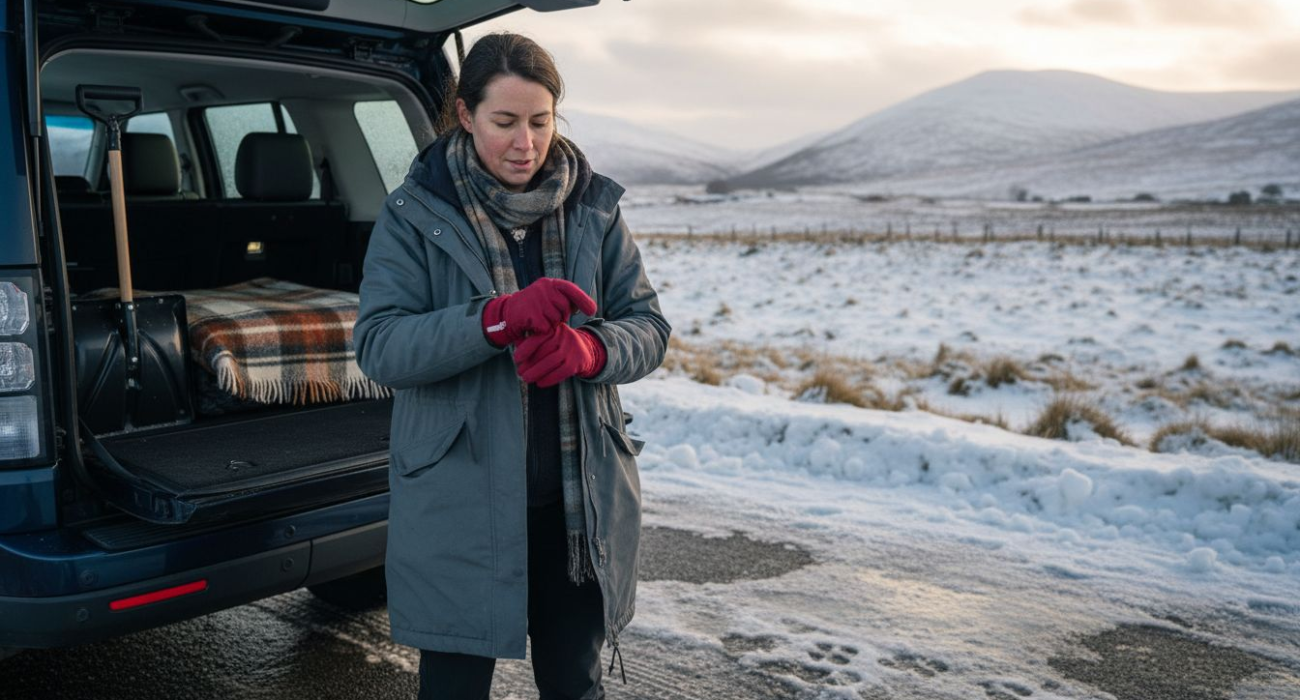

Keeping engineering teams comfortable, safe, and productive during extended projects in Northern Sweden means tackling a climate where winter temperatures often drop below minus fifteen degrees Celsius and conditions can change rapidly. For HR managers and project coordinators organising stays in Piteå, Luleå, Boden, or Nyköping, choosing reliable accommodation solutions is more than a logistical detail. This guide provides actionable steps for winter preparation, vehicle safety, and how professional housing support can protect your teams against the extremes of Swedish winter.
Inhaltsübersicht
- Step 1: Prepare for Extreme Winter Temperatures
- Step 2: Equip Yourself for Safe Winter Driving
- Step 3: Handle Unexpected Vehicle Breakdowns Wisely
- Step 4: Stay Proactive Against Wildlife and Icy Risks
- Step 5: Optimise Electric Car Use in Cold Conditions
- Step 6: Leverage Guestly Homes Support for Comfort
Kurze Zusammenfassung
| Kernpunkt | Erläuterung |
|---|---|
| 1. Layer Your Clothing Effectively | Use thermal base layers, insulating mid layers, and waterproof shells to stay warm in extreme conditions. |
| 2. Maintain Emergency Supplies in Your Vehicle | Keep a fully charged mobile phone, high-energy snacks, and thermal blankets for safety during winter travel. |
| 3. Practice Safe Winter Driving Techniques | Reduce speed, maintain distance, and avoid sudden movements on icy roads to enhance driving safety. |
| 4. Know How to Handle Vehicle Breakdowns | Activate hazard lights, stay inside your vehicle, and conserve heat if your car breaks down in remote areas. |
| 5. Opt for Electric Vehicle Winter Strategies | Pre-condition your battery, use seat warmers, and manage charging efficiently to improve range in cold weather. |
Step 1: Prepare for Extreme Winter Temperatures
When travelling through Northern Sweden, understanding how to protect yourself against extreme winter conditions becomes crucial for survival. Winter temperatures can plummet dramatically between -15°C and -40°C, creating potentially life threatening scenarios if you are unprepared.
Preparing for these harsh conditions requires a systematic approach. First, layer your clothing strategically using thermal base layers, insulating mid layers, and waterproof outer shells. Wool and synthetic materials work best for trapping body heat and wicking moisture. Pack extra clothing in your vehicle including thick socks, insulated gloves, a warm hat, and a thermal blanket. Your clothing should allow flexible movement while providing maximum thermal protection.
Keep emergency supplies in your vehicle at all times. This means a fully charged mobile phone, portable battery pack, high energy snacks, thermal flask with hot liquid, first aid kit, and emergency communication devices. Swedish municipalities increasingly recommend proactive management strategies for handling extreme weather events, so following local guidance is essential.
Top Tip: Always inform someone of your travel route and expected arrival time when venturing into remote winter landscapes.
Step 2: Equip Yourself for Safe Winter Driving
When navigating Northern Sweden’s challenging winter roads, understanding essential winter driving techniques is critical for your safety. Winter driving demands more than standard driving skills and requires specialised preparation and equipment.
Preparing your vehicle starts with selecting proper winter tyres designed for icy conditions. Install studded or high-friction winter tyres between December and March, ensuring deep tread depth and proper inflation. Check your vehicle’s battery, antifreeze levels, and engine systems before long journeys. Always keep your fuel tank at least half full to prevent fuel line freezing and ensure you have sufficient range in remote areas. Pack an emergency kit including warm blankets, high energy snacks, a shovel, ice scraper, jumper cables, and emergency communication devices.
Adapt your driving technique to match challenging road conditions. Reduce your speed, increase following distance, and avoid sudden steering or braking movements. When encountering icy patches, steer gently into potential skids and maintain smooth, controlled movements. Swedish driving regulations require headlights to be on at all times during winter, enhancing visibility and safety.
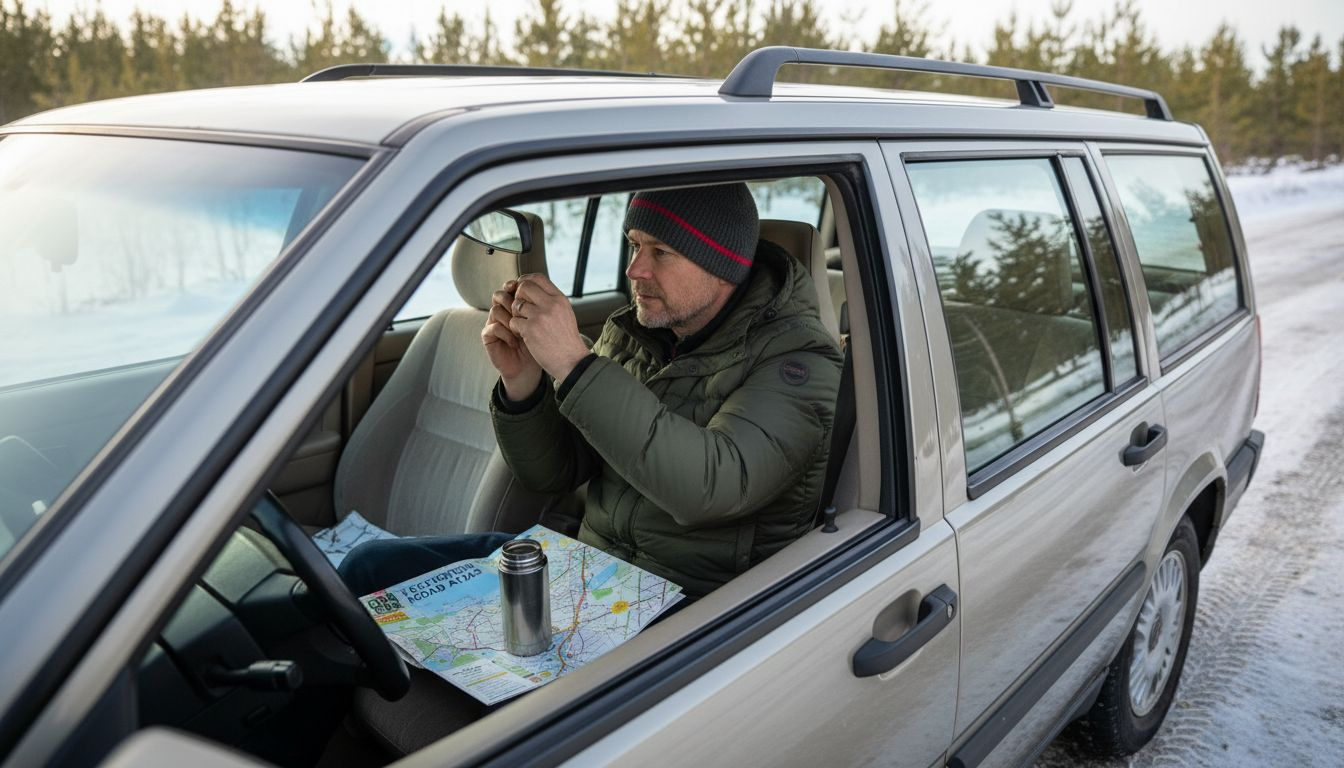
Here’s a summary of emergency equipment recommended for safe winter travel in Northern Sweden:
| Artikel | Zweck | Zusätzlicher Wert |
|---|---|---|
| Thermal blanket | Prevents hypothermia in extreme cold | Improves survival odds |
| High energy snacks | Maintains energy and alertness | Prolonged stamina |
| Shovel | Clears snow around vehicle | Enables safe movement |
| Jumper cables | Restarts car in battery emergencies | Reduces breakdown risks |
Top Tip: Practice winter driving techniques in a safe, controlled environment before embarking on challenging routes.
Step 3: Handle Unexpected Vehicle Breakdowns Wisely
When travelling through remote Northern Sweden, understanding emergency vehicle breakdown procedures can mean the difference between safety and potential danger. Northern regions present unique challenges that require strategic thinking and calm preparation.
Should your vehicle unexpectedly stop, your primary objective is to ensure your immediate safety. Carefully steer your vehicle to the roadside, preferably onto a flat surface away from traffic. Activate your hazard lights and place a bright warning triangle or reflective vest if available. Use your mobile phone to call roadside assistance or emergency services, providing your precise location. If you are in an area with limited mobile coverage, stay inside your vehicle where you are more visible and protected from extreme cold.
Conserve your vehicle’s heat by running the engine for approximately ten minutes each hour, ensuring the exhaust pipe remains clear of snow to prevent carbon monoxide buildup. Keep emergency supplies within reach including warm blankets, high energy snacks, water, and additional warm clothing. Swedish road safety policies emphasise maintaining alertness and taking calculated steps to minimise risk during unexpected vehicle incidents.
Top Tip: Always keep your mobile phone fully charged and carry a portable battery pack when travelling in remote winter regions.
Step 4: Stay Proactive Against Wildlife and Icy Risks
Driving through Northern Sweden demands heightened awareness of environmental risk management where wildlife encounters and treacherous road conditions can emerge unexpectedly. Understanding these potential hazards is crucial for safe winter navigation.
Reindeer and moose frequently cross roads in northern regions, particularly during dawn and dusk. Reduce your speed in wildlife zones and maintain heightened visual scanning of roadside areas. Watch for movement in peripheral vision and be prepared to brake gently without sudden steering. Use your vehicle’s high beams when no oncoming traffic exists, improving visibility of potential animal crossings. On icy surfaces, maintain a consistent slow speed and anticipate reduced traction by keeping significant distance from other vehicles.
Pay special attention to road surfaces that might appear dry but contain hidden black ice patches. These transparent ice formations can cause sudden vehicle instability. Arctic region safety protocols recommend gentle steering movements and avoiding abrupt acceleration or braking. If you feel your vehicle beginning to slide, steer smoothly in the direction of the skid and avoid panic reactions that could worsen your situation.
Top Tip: Install high quality winter tyres with exceptional grip and carry emergency traction aids like sand or special automotive grip mats.
Step 5: Optimise Electric Car Use in Cold Conditions
Driving an electric vehicle through Northern Sweden’s challenging winter landscape requires strategic preparation and understanding of electric vehicle winter performance. Cold temperatures significantly impact battery efficiency and driving range, demanding proactive management.
Maximise your electric vehicle’s performance by leveraging battery pre-conditioning technologies. Use your vehicle’s mobile app to warm the battery before departure, which improves both range and charging efficiency. Keep your vehicle plugged in whenever possible to maintain battery temperature and reduce energy consumption. When charging, select public stations with reliable infrastructure and consider charging during the warmest parts of the day to optimise battery response. Plan your routes with reduced range expectations during winter months, typically allowing for 30 to 40 percent less range compared to summer conditions.
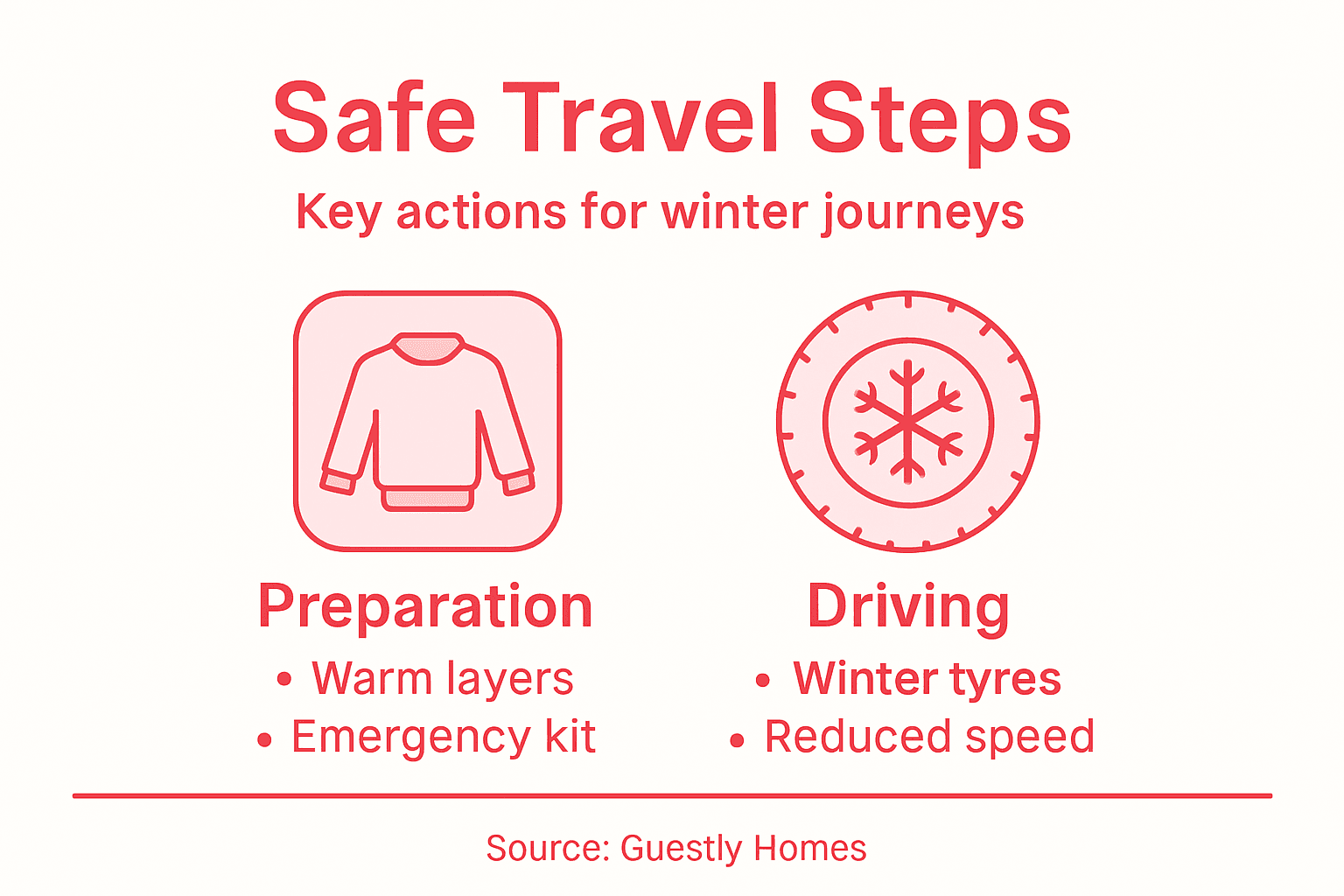
Practical cabin management is crucial for conserving battery power. Cold temperature driving strategies recommend using seat warmers instead of full cabin heating, which consume less electrical energy. Dress in warm layers to reduce reliance on vehicle heating systems, and consider purchasing an electric vehicle with advanced thermal management systems specifically designed for Nordic winter conditions.
See how electric cars and petrol cars compare when dealing with Swedish winter conditions:
| Aspekt | Electric Car | Petrol Car |
|---|---|---|
| Cold start | Battery pre-conditioning needed | Usually starts reliably |
| Range in winter | Reduced by up to 40% | Mildly affected by cold |
| Cabin heating | Drains battery quickly | Runs off engine |
| Charging options | Requires frequent charging stops | Filling stations widely available |
Top Tip: Invest in a portable battery warmer and keep emergency charging cables accessible for unexpected winter charging scenarios.
Step 6: Leverage Guestly Homes Support for Comfort
Travelling and working in Northern Sweden requires strategic accommodation planning that goes beyond basic lodging. Guestly Homes offers supportive housing solutions designed to provide comfort and reliability during challenging winter conditions.
Guestly Homes understands the unique requirements of professionals navigating Sweden’s harsh northern environment. Their properties come equipped with essential winter amenities including secure underground parking with electrical vehicle charging stations, pre-heated living spaces, and robust infrastructure that minimises cold weather disruptions. Rooms are designed with thermal efficiency in mind, featuring superior insulation, draught protection, and temperature management systems that ensure consistent warmth. Housing support mechanisms are integrated to help manage accommodation costs, making extended stays more accessible and financially predictable.
Utilise Guestly Homes’ digital platforms to manage your stay effectively. Their mobile application allows advanced booking, real-time property updates, and direct communication with support teams. Follow their social media channels for seasonal tips, local winter survival strategies, and community insights that can enhance your northern Sweden experience.
Top Tip: Request a virtual tour of your accommodation before arrival to familiarise yourself with the property’s winter-ready features and layout.
Stay Warm and Secure with Guestly Homes During Your Northern Sweden Journey
Navigating Northern Sweden’s extreme winter conditions can be daunting. From managing icy roads and unexpected breakdowns to optimising electric car use and staying safe from wildlife, the challenges are many. This article highlights crucial steps that protect you in severe cold and unpredictable environments. Yet, beyond knowing how to travel safely is the need for a reliable, comfortable haven to return to after demanding days.
Guestly Homes specialises in premium, fully managed accommodations designed precisely for these conditions. Whether you are a professional, project team, or executive working in Northern Sweden, you deserve spaces that offer thermal comfort, seamless service, and peace of mind. Our homes feature energy-efficient heating, secure parking with electric vehicle charging, and robust infrastructure that lets you focus on what matters without worrying about your stay.

Experience hassle-free living with Guestly Homes today. Explore how we support extended stays that blend calm, care, and thoughtful design to keep you safe and comfortable through the harshest winters. Discover more at Guestly Homes and secure your next stay adapted to Northern Sweden’s unique demands. Travel prepared. Stay protected. Live well.
Learn about our fully managed homes and how we ensure frictionless property performance. For those planning longer trips, our premium serviced apartments and villas provide the quiet support your winter work and travel require.
Häufig gestellte Fragen
How can I prepare for extreme winter temperatures while travelling in Northern Sweden?
To prepare for extreme winter temperatures in Northern Sweden, layer your clothing with thermal base layers, insulating mid layers, and waterproof outer shells. Pack extra essential items in your vehicle, such as insulated gloves, thick socks, and a thermal blanket for emergencies.
What should I include in my vehicle’s emergency kit for winter travel?
An effective emergency kit for winter travel should include warm blankets, high energy snacks, a shovel, jumper cables, and emergency communication devices. Keep these supplies accessible to ensure quick action during unexpected situations.
What driving techniques should I use in icy conditions?
In icy conditions, reduce your speed, increase your following distance, and avoid sudden steering or braking movements. Maintain a steady pace and smoothly steer into any skids to regain control of your vehicle.
How can I safely handle vehicle breakdowns in remote areas?
If your vehicle breaks down, steer safely to the roadside and activate your hazard lights. Stay inside your vehicle to maintain warmth and visibility, and conserve heat by running the engine for about 10 minutes every hour, making sure the exhaust pipe is clear of snow.
What precautions should I take against wildlife when driving in Northern Sweden?
To avoid wildlife collisions, reduce your speed in wildlife zones, particularly during dawn and dusk when animals are most active. Remain vigilant and scan roadside areas for movement, and use your high beams when there is no oncoming traffic to enhance visibility.
How can I optimise the performance of an electric vehicle in cold weather?
To optimise the performance of an electric vehicle in cold weather, pre-condition the battery before departure using your vehicle’s mobile app. Keep your vehicle plugged in when possible, and plan your routes considering a reduced driving range of up to 40% compared to summer conditions.