
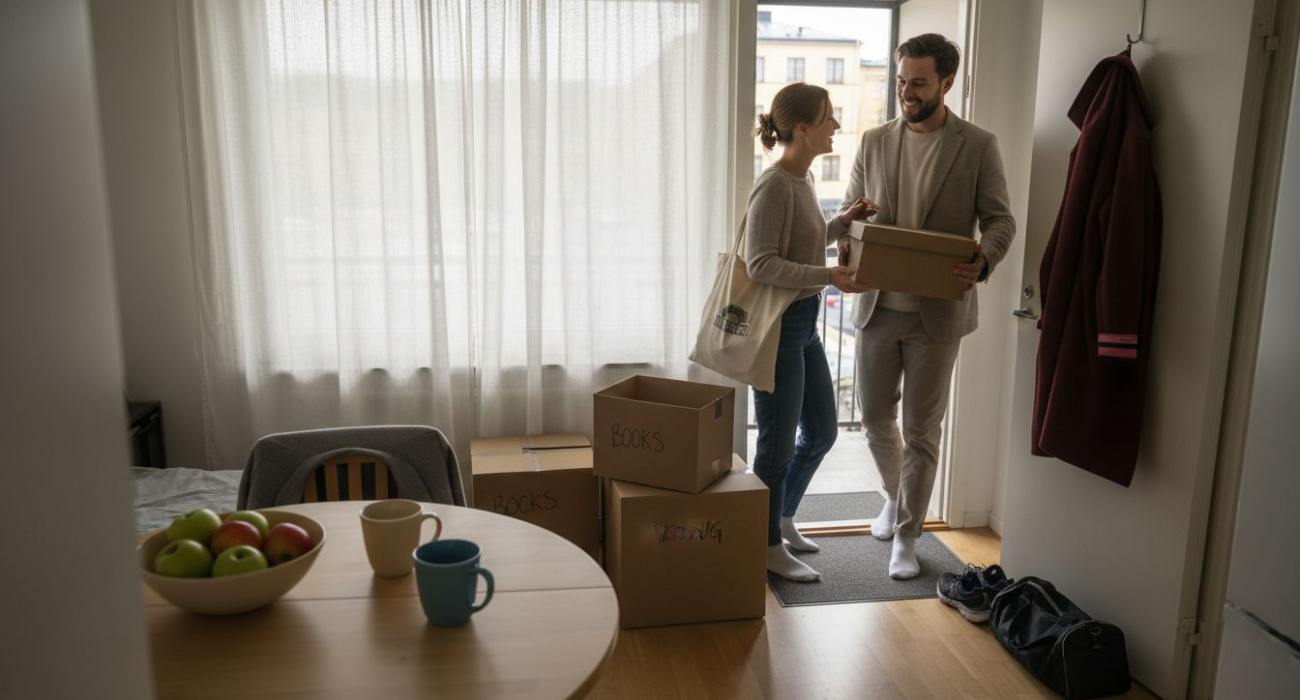

Securing comfortable and compliant accommodation for engineers and executives on short assignments in Piteå, Luleå, Boden, or Nyköping can be a significant challenge for HR leads and project managers. The Swedish approach to temporary housing is guided by strict legal definitions, with key distinctions from permanent rentals and a 120-day limit on short-term stays for non-owner-occupied properties. Understanding which solutions qualify under these regulations helps prevent costly contract errors and ensures your team enjoys a worry-free stay.
Inhaltsübersicht
- What Qualifies as Temporary Housing in Sweden
- Major Types and Key Distinctions
- How Serviced Apartments Operate
- Legal Duties and Contract Essentials
- Risks, Costs and Exit Procedures
Wichtigste Erkenntnisse
| Punkt | Einzelheiten |
|---|---|
| Understanding Temporary Housing Categories | Temporary housing in Sweden includes government-provided housing, short-term rentals, student dormitories, corporate housing, and transitional accommodations, each with distinct regulations and target demographics. |
| Rechtliche Verantwortlichkeiten | Both landlords and tenants have specific legal obligations under Swedish rental contracts, ensuring safe and habitable living spaces and timely payments. |
| Finanzielle Erwägungen | Housing costs vary significantly based on location and accommodation type; potential additional expenses must be factored into budget planning. |
| Contractual Risks | It’s crucial to be aware of notice periods, maximum stay limits, and exit penalties to mitigate financial risks associated with temporary housing agreements. |
What Qualifies as Temporary Housing in Sweden
Temporary housing in Sweden represents a dynamic accommodation landscape with specific legal and practical parameters. Temporary housing arrangements encompass diverse living situations designed for shorter durations, typically ranging from several days to several months.
The Swedish temporary housing model includes multiple categories:
- Government-provided housing through the Migration Agency
- Private short-term rentals
- Student dormitories
- Corporate housing
- Transitional accommodations
Legal frameworks distinguish temporary housing from permanent rentals through precise regulations governing stay duration, tenant rights, and safety standards. A critical characteristic is the 120-day limit on short-term rentals for non-owner-occupied properties, which prevents potential circumvention of long-term rental legislation.
Professional contexts often drive temporary housing needs, with corporations and project managers seeking flexible living solutions for employees working on time-limited assignments. These accommodations must balance comfort, functionality, and cost-effectiveness while meeting strict Swedish housing standards.
Pro tip: When seeking temporary housing in Sweden, always verify the specific legal duration limits and understand your precise tenant rights before signing any agreement.
Major Types and Key Distinctions
Temporary housing in Sweden encompasses diverse accommodation models, each with unique characteristics and target demographics. Student housing options represent a particularly nuanced segment of this accommodation landscape.
The primary categories of temporary housing include:
- Corridor Rooms: Shared living spaces with communal kitchens and bathrooms
- Student Apartments: Self-contained units offering more privacy
- Home-stays: Accommodation with Swedish families providing cultural immersion
- Private Market Rentals: Independent living arrangements
- Gehäuse für Unternehmen: Professionell verwaltete Unterkünfte für Geschäftsleute
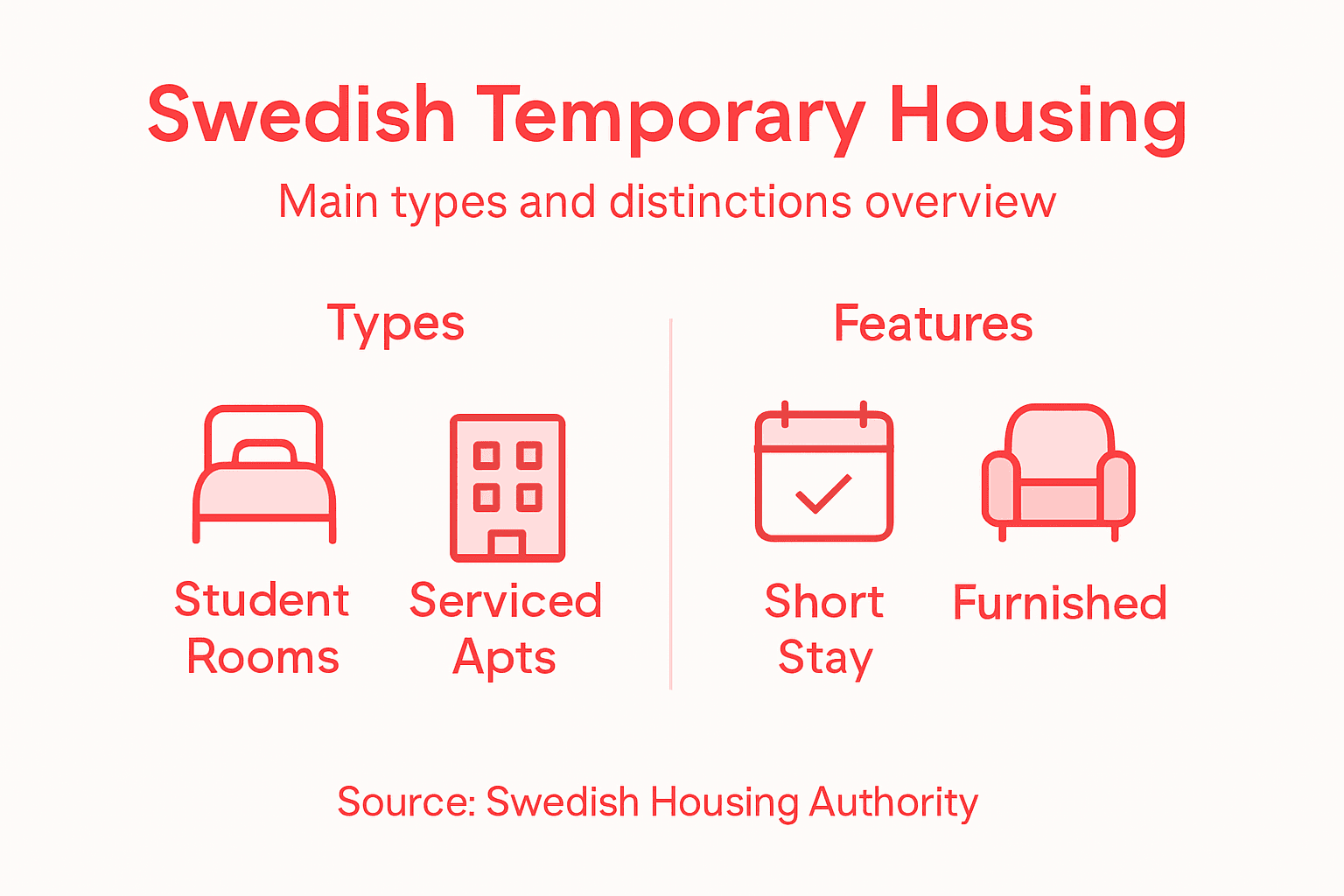
Each housing type presents distinct advantages and considerations. Accommodation variations differ substantially in terms of social interaction, privacy levels, cost structures, and rental terms. Corridor rooms, for instance, foster community living at more affordable prices, while student apartments provide greater personal space at higher costs.
Here’s how the main types of temporary housing in Sweden compare on key characteristics:
| Gehäuse Typ | Datenschutz Level | Typische Dauer | Target Occupants |
|---|---|---|---|
| Corridor Rooms | Low – shared spaces | Short to medium-term | Students, young adults |
| Student Apartments | High – self-contained | Semester or academic year | University students |
| Home-stays | Variable – family home | Weeks to few months | International students |
| Private Vermietungen | High – independent | Several weeks to 120 days | Professionals, families |
| Gehäuse für Unternehmen | Medium to high | Weeks to months | Business travellers |
The selection of temporary housing depends on individual requirements, with factors like budget, desired social environment, and personal preferences playing crucial roles. Some student cities offer housing guarantees, whereas others require more proactive searching and potential subletting strategies.
Pro tip: Always compare multiple temporary housing options, considering not just cost but also location, facilities, and potential social opportunities before making a final decision.
How Serviced Apartments Operate
Serviced apartments in Sweden represent a sophisticated housing solution designed for extended stays, bridging the gap between traditional hotels and long-term rentals. These professionally managed accommodations cater specifically to business travellers, expatriates, and individuals seeking flexible living arrangements.
Zu den wichtigsten operativen Merkmalen gehören:
- Flexible Duration: Stays ranging from several weeks to several months
- Self-Catering Facilities: Fully equipped kitchens for independent living
- Professional Management: Consistent service standards and maintenance
- Comprehensive Amenities: Housekeeping, Wi-Fi, and utility services included
- Corporate-Friendly Configuration: Tailored to business travel requirements
The Swedish serviced apartment market remains predominantly composed of small, independent operators rather than large hotel chains. This fragmentation creates opportunities for specialised, high-quality accommodation solutions that respond quickly to specific client needs. Corporate travel policies and evolving professional mobility trends continue to shape the operational strategies of these residential offerings.
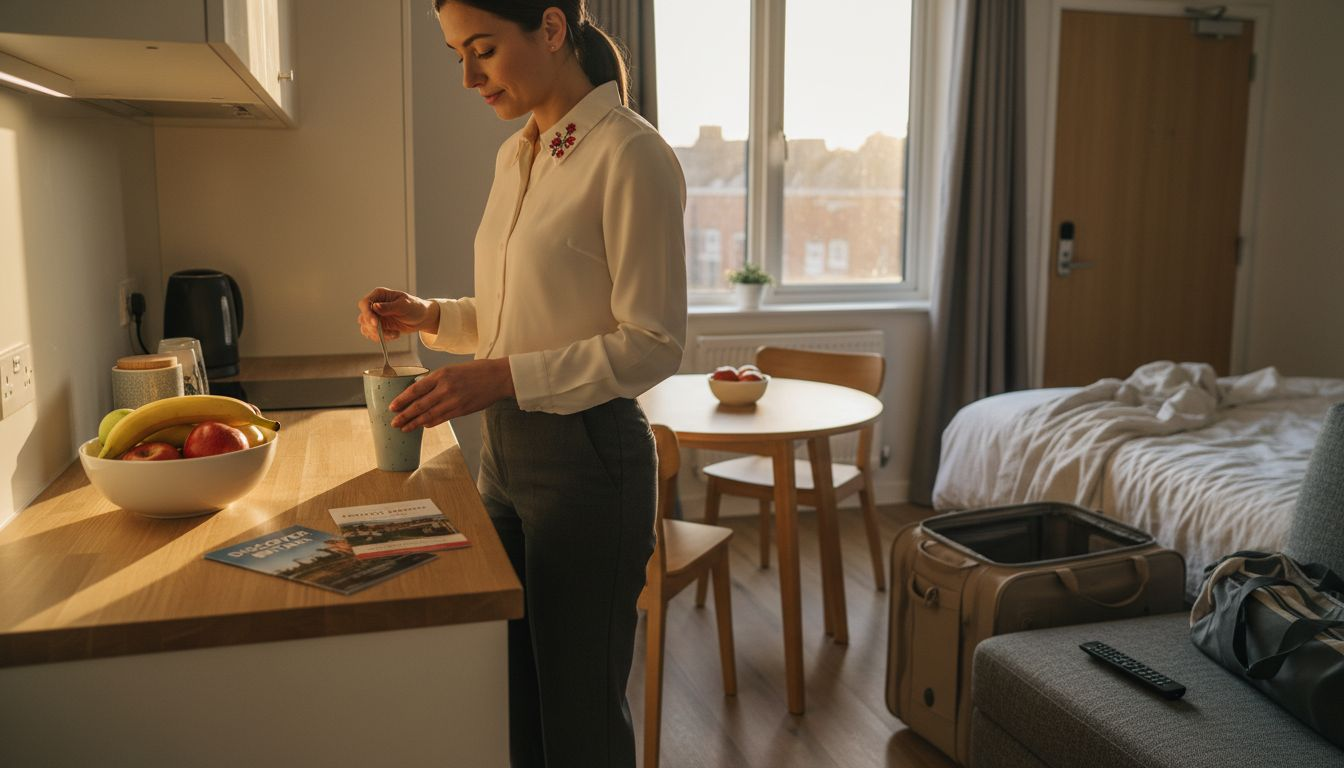
Most serviced apartments are strategically located in major business centres, with Stockholm representing the primary market hub. Operators focus on providing a seamless living experience that combines the comfort of home with the convenience of hotel-like services, making them an increasingly attractive option for professionals and temporary residents.
Pro tip: Always verify the specific amenities and service inclusions before booking a serviced apartment to ensure they match your precise requirements.
Legal Duties and Contract Essentials
Swedish rental contracts establish a comprehensive framework of rights and obligations for both landlords and tenants, ensuring transparent and fair housing arrangements. These legal documents serve as crucial protections for all parties involved in temporary housing agreements.
Key legal responsibilities include:
-
Tenant Obligations:
- Rechtzeitige Mietzahlung
- Property maintenance and care
- Respecting neighbours’ peaceful enjoyment
- Adhering to contract termination notices
-
Landlord Obligations:
- Providing safe, habitable living spaces
- Performing necessary maintenance
- Aufrechterhaltung der Immobilienstandards
- Respecting tenant privacy rights
Rental agreements in Sweden can be structured as fixed-term or indefinite contracts, with written documentation strongly recommended. The legal framework provides specific guidelines for contract duration, notice periods, and potential subletting scenarios. Notably, tenants must typically provide a three-month notice after nine months of tenancy, and subletting the entire property requires explicit landlord consent.
Legal compliance is paramount in Swedish temporary housing, with strict regulations protecting both landlord and tenant interests.
Potential legal complications can arise from improper contract management, including penalties for illegal contract transactions or failure to meet specified obligations. Professional temporary housing providers must navigate these regulations carefully to maintain legal and ethical standards.
Pro tip: Always request a comprehensive written contract and thoroughly review all terms before signing any temporary housing agreement.
Risks, Costs and Exit Procedures
Housing costs in Sweden demonstrate significant variations across different tenure types, with median annual expenditures ranging from SEK 91,000 to SEK 115,000. Understanding these financial implications is crucial for anyone considering temporary housing arrangements.
Primary financial risks and considerations include:
-
Cost Variations:
- Rental costs fluctuate by property type
- Higher expenses for prime locations
- Additional utility and maintenance fees
- Potential premium for short-term arrangements
-
Exit Procedure Risks:
- Strict notice period requirements
- Potential continued rental obligations
- Contract termination penalties
- Limited flexibility in some agreements
Temporary housing contracts typically impose specific constraints, particularly around maximum stay durations. Temporary housing regulations often limit short-term rentals to 120 days, creating potential complications for longer-stay tenants. Tenants must carefully review contracts to understand exit procedures, notice periods, and potential financial penalties.
Thorough contract review is essential to mitigate financial risks and understand potential exit limitations.
Navigating these complex arrangements requires meticulous planning and a comprehensive understanding of Swedish tenancy laws. Professional tenants and corporate housing managers must remain vigilant about potential financial exposures and contractual obligations.
Below is a summary of common risks and considerations for temporary housing contracts in Sweden:
| Risk or Concern | Beschreibung | Potential Impact |
|---|---|---|
| Notice Periods | Often three months after nine months stay | Unexpected rental extensions |
| Maximum Stay Limits | Usually capped at 120 days | Forced move or renewal difficulty |
| Additional Costs | Utilities, maintenance fees may apply | Higher than initial budget |
| Exit Penalties | Fees for contract termination | Financial loss if exiting early |
Pro tip: Always negotiate clear exit terms and understand all potential costs before committing to a temporary housing contract.
Seamless Temporary Housing Solutions Tailored to Swedish Standards
Navigating the complexities of temporary housing in Sweden requires more than just finding a place to stay. Whether you are a professional needing a serviced apartment for a few weeks or a project manager coordinating a team’s extended visit, the challenges of ensuring legal compliance, comfort, and hassle-free management can feel overwhelming. The article highlights the critical need to understand maximum rental durations, tenant rights, and the balance between privacy and community living.
At Guestly Homes, we specialise in delivering fully managed, high-standard homes that conform to Swedish temporary housing regulations while offering more than just a roof. Our premium serviced apartments and villas provide flexibility from 10 nights to 12 months, perfect for individuals and teams needing reliable, well-supported stays without surprises in costs or contracts.
Experience the confidence of a 5-star operator renowned for quiet excellence and transparent agreements. Explore our offerings and discover how to secure seamless, legally sound accommodation with Guestly Homes, where your stay supports your performance—never disrupts it. Take control now and visit us to find your ideal temporary home in Sweden today.
Häufig gestellte Fragen
What are the main types of temporary housing available?
Temporary housing includes corridor rooms, student apartments, home-stays, private market rentals, and corporate housing, each catering to different needs and privacy levels.
How long can one typically stay in temporary housing?
Stay durations for temporary housing can range from several days to several months, with specific legal limits often capping short-term rentals at 120 days.
What legal obligations should tenants be aware of in temporary housing?
Tenants must ensure timely rent payments, property maintenance, and adherence to termination notices. A written rental contract is crucial to outline responsibilities and rights.
What are common risks associated with temporary housing contracts?
Common risks include strict notice periods, potential penalties for early termination, fluctuating costs depending on location and arrangement type, and limitations on maximum stay durations.
Empfohlen
- Verständnis von Housing Executive Temporary Accommodation - Guestly Homes
- 7 wichtige Arten von temporären Unterkünften für Ihre Bedürfnisse - Guestly Homes
- Vollständiger Leitfaden für die Arten von vorübergehenden Unterkünften - Guestly Homes
- Best 6 Temporary Housing Providers for Teams – Expert Comparison 2026 – Guestly Homes
- Premium Holiday Homes: Defining True Luxury in Provence – The House In Provence Blog
- Top Temporary Signage Uses for London Businesses in 2025 – PromoSigns.co.uk