


TL;DR:
- Renovating during tenant turnover ensures minimal income disruption and compliance with Swedish laws.
- Strategic, phased upgrades targeted at key areas improve property value while reducing legal and financial risks.
Knowing when to renovate a rental property is one of the most consequential decisions you will make as a property owner in Sweden. Many landlords delay upgrades until visible damage forces the issue, or worse, attempt major works mid-tenancy without realising the legal and financial exposure that creates. The result is longer vacancies, frustrated tenants, and projects that cost far more than planned. This guide cuts through the confusion and gives you a practical renovation timeline for rentals, covering everything from flooring and kitchens to heating systems and legal notice requirements, so you can improve your property’s value without sacrificing steady income.
Inhoudsopgave
- Understanding renovation timing and legal requirements in Swedish rentals
- Which renovations matter most: urgent repairs versus strategic upgrades
- Key renovation areas: kitchens, bathrooms, flooring, paint, heating systems and furniture
- How renovation timing affects occupancy and rental pricing
- Planning and managing renovations for minimal income disruption
- Rethinking renovation strategy: why phased and strategic works win in Swedish rentals
- How Guestly supports your rental renovation journey
- Frequently asked questions
Belangrijkste opmerkingen
| Punt | Details |
|---|---|
| Renovate at tenant turnover | Align renovations with tenant changes to minimise vacancy and lost income. |
| Distinguish repair types | Address urgent repairs immediately and plan strategic upgrades responsibly. |
| Use phased renovations | Phased approaches reduce tenant disruption and spread costs effectively. |
| Comply with Swedish law | Provide 3–6 months written notices and obtain necessary consents to avoid delays. |
| Focus on ROI upgrades | Invest in durable, neutral, high-impact improvements that increase rental value. |
Understanding renovation timing and legal requirements in Swedish rentals
The single most effective way to reduce renovation-related income loss is to renovate during tenant turnover, aligning works precisely with the natural gap between one tenancy ending and the next beginning. This approach avoids displacement costs and eliminates the need for temporary housing arrangements. It also gives you a clean slate to complete works without juggling tenant schedules or disrupting daily life.
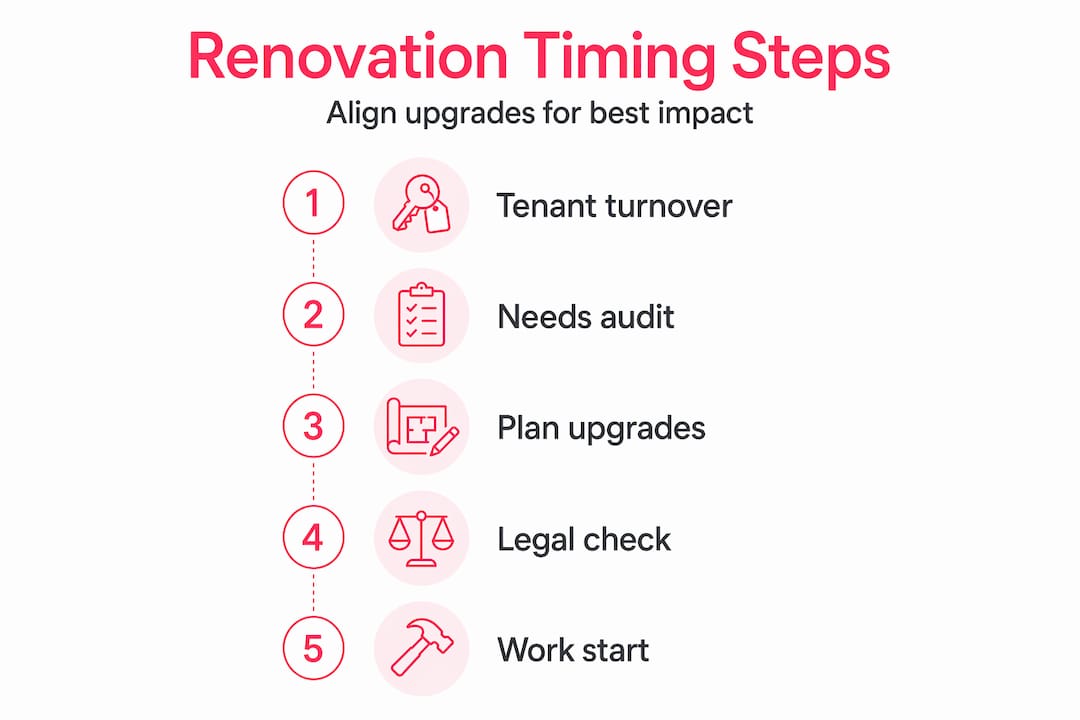
Swedish rental law makes timing even more critical. Swedish landlords must provide written notice three to six months before renovation works begin, and failing to do so does not simply delay your project; it can land you in front of the Rent Tribunal. Understanding notice and communication requirements from the outset is therefore not just good practice. It is a legal obligation that shapes every renovation decision you make.
Key legal and timing principles to follow:
- Align major renovation work with tenancy end dates wherever possible
- Issue formal written notices three to six months in advance, even for substantial cosmetic works
- Document all tenant communications in writing to protect yourself legally
- Never assume verbal agreement is sufficient; written consent holds up if disputes arise
- Early communication reduces disputes significantly, with transparent dialogue cutting conflict risk by up to 65%
- Plan your contractor schedule around the notice period, not the other way around
Which renovations matter most: urgent repairs versus strategic upgrades
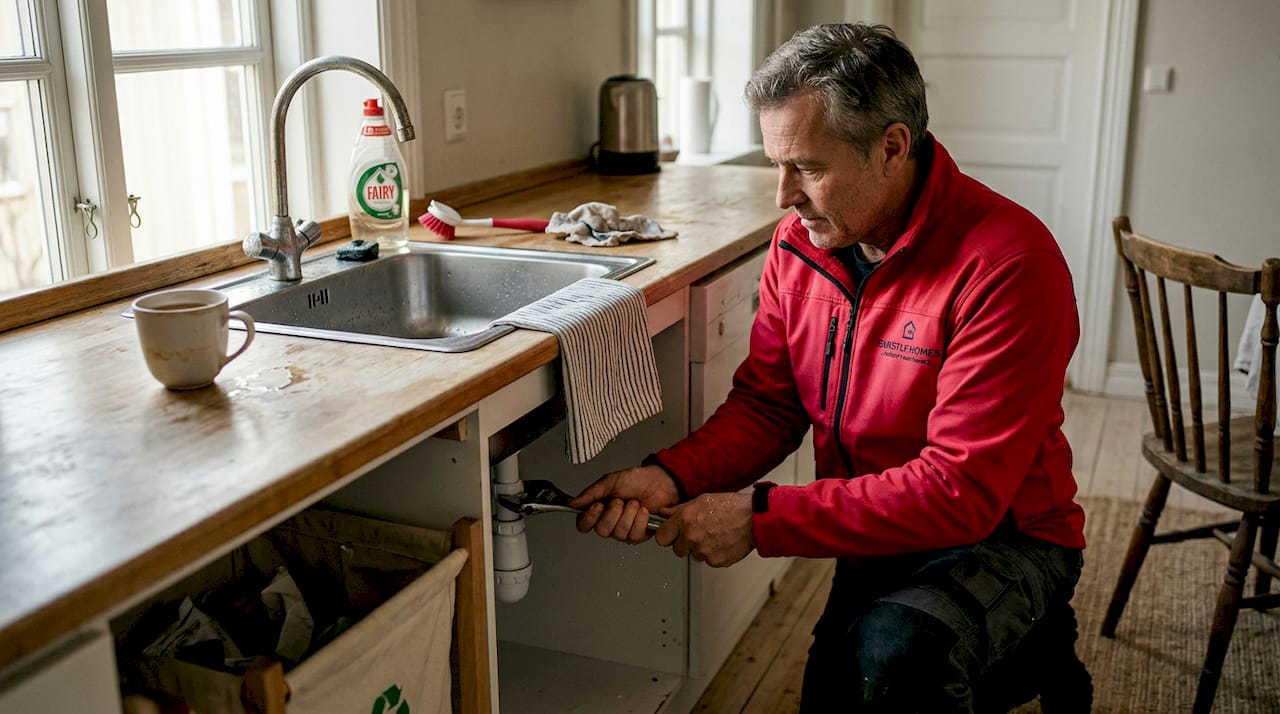
Not all renovation work carries the same urgency, and treating a leaking pipe with the same priority as a kitchen refresh will distort your budget and your timeline. Urgent repairs maintain safety and must be addressed immediately, regardless of tenancy status. These include faulty electrics, water ingress, broken heating during winter, and any structural issues that affect habitability.
Strategic upgrades are a different category entirely. These are planned investments in kitchens, bathrooms, flooring, and energy systems that improve the property’s attractiveness and justify a higher rental price over time. The key word is planned. Rushing a bathroom renovation because you think it will lift the rent by 500 SEK per month rarely pencils out if you lose three weeks of rental income to do it.
How to distinguish between the two:
- Urgent repairs: Safety hazards, legal compliance failures, or anything that makes the property uninhabitable or legally problematic. Act immediately.
- Strategic upgrades: Improvements that increase rental value, attract better tenants, or reduce operating costs over a five-to-fifteen-year horizon. Plan carefully.
- Deferred maintenance: Items that are not urgent today but will become expensive if ignored for another two to three years. Schedule during the next tenancy gap.
A phased renovation approach allows you to address these categories over time rather than bundling everything into one disruptive project. Swedish housing experts consistently recommend phased, component-based works for exactly this reason; they protect tenants, preserve asset value, and spread financial exposure more sustainably.
Key renovation areas: kitchens, bathrooms, flooring, paint, heating systems and furniture
Once you understand the difference between urgent and strategic work, the next question is what to invest in and when. Different renovation categories carry different timelines, costs, and returns.
| Renovation area | Recommended cycle | Estimated cost range | Tenant appeal impact |
|---|---|---|---|
| Interior paint (neutral tones) | Every 5 to 7 years | Low to moderate | Hoog |
| Flooring (luxury vinyl plank) | Every 7 to 10 years | Matig | Hoog |
| Kitchen upgrades | Every 10 to 15 years | Hoog | Very high |
| Bathroom renovation | Every 10 to 15 years | Hoog | Very high |
| Smart thermostat installation | Every 8 to 12 years | Laag | Moderate to high |
| Heating and plumbing systems | Every 10 to 15 years | Very high | Essentieel |
| Furniture refresh | Every 5 to 8 years | Matig | Matig |
Practical guidance by category:
- Paint: Repainting every five to seven years with neutral tones like greige keeps the property fresh and appeals to the broadest range of tenants. Avoid bold colour choices that limit your pool.
- Flooring: Luxury vinyl plank (LVP) flooring costs approximately 250 to 550 SEK per square metre installed, offering durability, water resistance, and a look that photographs well. It is one of the highest-ROI flooring upgrades available to landlords.
- Kitchens and bathrooms: These require more investment but yield the strongest rental price improvements. Focus on cabinet fronts, hardware, worktops, and fixtures rather than a full structural remodel where possible.
- Smart thermostats: Smart thermostats reduce energy costs by roughly ten to twelve per cent, which resonates strongly with cost-conscious professional tenants in Sweden.
- Heating and plumbing: Major systems typically need attention every ten to fifteen years. Ignoring them past that window invites emergency repair costs at the worst possible moment.
Pro Tip: When refreshing kitchens on a tighter budget, replacing cabinet handles, installing a new splashback, and fitting an undermount sink can transform the room’s feel for a fraction of full renovation costs. Pair this with cost-effective renovation upgrades and you will often achieve 80% of the visual impact for 20% of the price.
How renovation timing affects occupancy and rental pricing
Timing is not just a logistical question; it is a financial one. Poorly timed renovations can turn a two-week project into a two-month vacancy, erasing any rental uplift the improvement might have generated. Understanding how renovation scheduling interacts with occupancy and pricing is essential for protecting your income.
A practical renovation timing sequence:
- Audit your property condition six to twelve months before the current tenancy ends.
- Identify which works fall into urgent, strategic, or deferred categories.
- Issue formal written notice three to six months before planned works, aligned with lease end dates.
- Secure tenant consent in writing for any major works affecting plumbing, ventilation, or structure.
- Schedule contractors to begin immediately after tenant departure, not days later.
- Set the new rental price before listing, reflecting the improvements made.
Key figure: Delays of up to two years can occur when tenant consent is withheld and the matter proceeds to the Rent Tribunal. No renovation project is worth that risk.
Adjust rental pricing thoughtfully after improvements. A freshly painted apartment with new flooring and an updated kitchen can command meaningfully more per month in most Swedish markets, but only if comparable properties in the area support that level. Over-improving a property in a mid-range market will not yield a proportional rental return. Renovation timing impact on rental income is particularly relevant here; knowing local market ceilings before you spend is as important as the renovation itself.
Pro Tip: Always try to renovate during tenant turnover rather than negotiating mid-tenancy access. Even a cooperative tenant creates scheduling complications that extend project timelines and strain the landlord-tenant relationship.
Planning and managing renovations for minimal income disruption
Good renovation management is largely a planning exercise. The owners who lose the least income during renovation projects are the ones who have thought through every step before a single contractor arrives.
A practical renovation planning checklist:
- Conduct a thorough property condition survey before committing to any scope of works
- Separate works into urgent, planned, and aspirational categories with cost estimates for each
- Phase renovation by building component (roof, systems, interiors) rather than trying to do everything at once
- Budget a ten to fifteen per cent contingency for unforeseen issues such as asbestos, degraded timber, or outdated wiring
- Prepare formal written notices well within the legal timeline and keep copies of all communications
- Research ROT deductions (rotavdrag) and any applicable energy efficiency grants before finalising your budget
Phased, needs-based renovations consistently deliver better outcomes than single large-scale makeovers in Swedish residential contexts. They protect tenants, reduce the risk of extended vacancies, and allow you to reinvest returns from one phase into the next.
| Planning step | Why it matters | Timing |
|---|---|---|
| Property condition audit | Reveals true scope of works | 6 to 12 months before tenancy ends |
| Written tenant notice | Legal compliance and goodwill | 3 to 6 months before works start |
| Contractor scheduling | Reduces vacancy window | Confirmed before lease end |
| Contingency budgeting | Protects against cost overruns | At project planning stage |
| ROT/grant research | Reduces net renovation cost | Before finalising budget |
Early, transparent communication with tenants is the single most powerful risk management tool available to you as a landlord. Projects that begin with clear dialogue rarely end in tribunal hearings.
Pro Tip: Use phased renovation management as an opportunity to upgrade in stages that align with your cash flow. A kitchen refresh this turnover, new flooring at the next, and a bathroom update two years later spreads cost without sacrificing the cumulative quality improvement.
Rethinking renovation strategy: why phased and strategic works win in Swedish rentals
There is a persistent belief among some property owners that the most effective renovation approach is a single, comprehensive makeover between tenancies. Strip it back, refurbish everything at once, then charge a premium. It sounds efficient on paper. In practice, it often produces the opposite result.
Large-scale renovations take longer than expected, cost more than budgeted, and leave properties empty during the most commercially sensitive periods. In the Swedish market, where tenant protections are robust and legal delays from poor communication can stretch renovation timelines by up to two years, the all-at-once approach carries significant risk. One missed notice, one tenant withholding consent, and your six-week project becomes a multi-year legal process.
The smarter path is incremental. Phased renovations preserve tenant housing, reduce vacancy exposure, and allow you to respond to actual market conditions rather than speculating on what tenants will pay for a fully refurbished flat. You can test price increases at each phase and course-correct if the market does not respond as anticipated.
There is also the question of proportionality. Experienced owners in Sweden consistently report that fitting a designer kitchen in a property where market rents cap at 12,000 SEK per month simply does not yield a return. The ceiling is the ceiling, regardless of the finish level. Knowing when to stop improving is just as valuable as knowing when to start.
Consider the Nordic concept of lagom, which translates roughly as “just the right amount.” Applied to renovation strategy, it means investing enough to attract good tenants and hold long-term value, without tipping into over-capitalisation. That balance, combined with tenant communication and renovation risks awareness, is what separates property owners who grow their portfolios from those who perpetually break even.
How Guestly supports your rental renovation journey
Understanding when and how to renovate is one challenge; executing it without losing rental income is another. At Guestly Homes, we work with Swedish property owners to navigate both.

Our fully managed service includes guidance on renovation planning, tenant communication, and phased upgrade strategies that protect your income while improving your property’s long-term performance. Whether you are considering a kitchen refresh between tenancies or planning a larger phased programme, we bring operational experience and a clear understanding of Swedish rental regulations to every conversation. Owners partnering with Guestly benefit from access to quality furnishings, energy-efficient upgrade recommendations, and a management approach that keeps vacancy windows short. Explore our modern 1BR rental options or learn how our serviced apartments with renovation planning support can work for your property.
Frequently asked questions
When is the best time to renovate a rental property in Sweden?
The best time is during tenant turnover, aligning renovation works with the natural vacancy between tenancies to minimise income loss. Swedish law requires three to six months’ written notice before major works begin, so forward planning is essential.
What type of renovation requires tenant approval in Sweden?
Major renovations affecting plumbing, ventilation, or structural elements require tenant consent or Rent Tribunal approval before works can proceed. Minor cosmetic updates such as repainting or replacing fixtures typically do not require formal consent, though written communication remains best practice.
How can phased renovations benefit rental property owners?
Phased renovation yields better long-term results by spreading costs, reducing tenant displacement, and allowing owners to test rental price adjustments at each stage. It also reduces the risk of extended vacancy caused by over-ambitious all-at-once projects.
What are cost-effective upgrades with high return in Swedish rentals?
LVP flooring, cabinet hardware, smart thermostats, and neutral paint consistently deliver strong returns relative to their cost. These updates improve tenant appeal and reduce operating costs without requiring a full structural renovation.
How should I communicate renovation plans to tenants?
Provide formal written notices three to six months before works begin, and maintain transparent early dialogue throughout the planning process. Early, documented communication is the most reliable way to prevent disputes and avoid costly delays at the Rent Tribunal.
Aanbevolen
- Hoe de huurwaarde van uw huis te verhogen in 2025 - Guestly Homes
- Essentiële gids voor onderhoud van huurwoningen voor 2025 - Guestly Homes
- Hoe u de huurinkomsten voor uw woning kunt maximaliseren – Guestly Homes
- 7 belangrijke stappen voor de onderhoudscontrolelijst van uw huuraccommodatie - Guestly Homes