
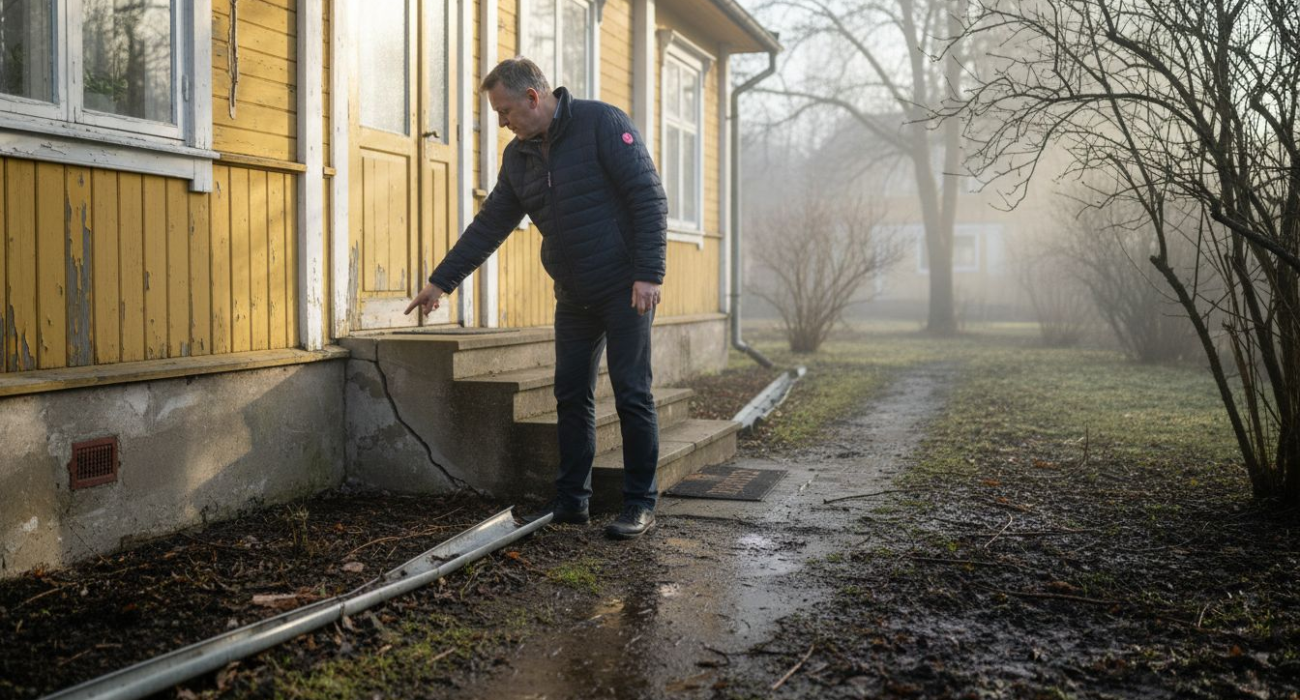

Swedish villa owners know the toll winter takes on premium properties. With 55% of Swedes finding damage when opening summer houses, spring maintenance is not optional. Freeze damage affects 17%, whilst pest infestations strike 32% of properties. Your villa has weathered months of snow, ice, and freeze–thaw cycles. Now it needs a systematic recovery plan. This guide provides a practical checklist to restore your property, prevent costly repairs, and protect your investment through targeted post-winter care. Every task matters when safeguarding your villa’s value and safety.
Inhoudsopgave
- Understanding Common Post-Winter Villa Issues
- Preparing For Spring Maintenance: Tools And Safety
- Step-By-Step Spring Villa Maintenance Checklist
- Common Mistakes To Avoid And When To Call A Professional
- Discover Premium Villas And Maintenance Support With Guestly Homes
- Veelgestelde vragen
Key takeaways
| Punt | Details |
|---|---|
| Winter damage is common | Over half of Swedish villa owners discover issues after winter closure, with freeze damage and pest infestations being most frequent. |
| Gutters require immediate attention | Clearing gutters and drains before spring melt prevents water damage and foundation issues. |
| Plumbing needs careful inspection | Simple detection methods like placing paper under pipes reveal leaks that could cause extensive damage. |
| Professional help for complex repairs | Foundation work, HVAC systems, and electrical repairs require expert intervention to avoid costly mistakes. |
| Digital tracking improves consistency | Apps and digital tools help schedule recurring tasks and document completed maintenance work. |
Understanding common post-winter villa issues
Your villa has survived another Swedish winter, but at what cost? The data tells a sobering story. When villa owners across Sweden open their properties after winter closure, they encounter a predictable pattern of damage. Frozen pipes burst. Rodents nest in insulation and chew through wiring. Water seeps through compromised seals.
The most frequent culprits are freeze damage and pest infestations, which together account for nearly half of all reported issues. Rodents cause particular havoc, targeting both plumbing connections and electrical systems. They seek warmth and shelter, leaving destruction in their wake. Your villa’s closed, unheated spaces become ideal habitats for these unwanted guests.
Water damage follows close behind. Freeze–thaw cycles stress every seal, joint, and connection. What appears as a minor crack in autumn becomes a pathway for moisture by spring. Foundation walls experience similar stress as ground frost expands and contracts. These cycles repeat dozens of times each winter, compounding damage incrementally.
Key systems demand immediate inspection:
- Plumbing networks, especially exposed pipes and outdoor taps
- Electrical wiring in attics, basements, and utility areas
- Roof structures bearing snow load stress
- Foundation walls facing freeze–thaw pressure
- Ventilation systems that may harbour condensation
Empirical evidence supports thorough post-winter reviews. Properties that receive systematic spring inspections avoid the cascade effect where one undetected issue triggers multiple failures. A small roof leak ignored in April becomes ceiling damage, insulation replacement, and mould remediation by June. The property management maintenance checklist essentials approach prevents this progression.
“The difference between minor repair and major renovation often comes down to spring timing. What you catch in April stays manageable. What you miss becomes expensive by summer.”
Your villa’s vulnerability peaks during the transition from winter to spring. Snow melts, water flows, and every weakness reveals itself. This window of exposure demands your focused attention. Understanding these common issues prepares you for the targeted maintenance steps that follow.
Preparing for spring maintenance: tools and safety
Before you inspect a single gutter or check one pipe, gather the right equipment. Proper preparation separates efficient maintenance from frustrating, incomplete work. Your toolkit should balance thoroughness with practicality.
Essential tools and materials:
- Sturdy ladder with stabiliser arms for roof and gutter access
- Heavy-duty gloves for handling debris and sharp materials
- Torch with fresh batteries for inspecting dark spaces
- Sealants and caulking for minor repairs
- Bucket and scoop for gutter cleaning
- Notebook or mobile device for documenting findings
- Safety harness if working at height
- Moisture metre for detecting hidden water damage
Safety considerations cannot be overstated. Roof work presents the highest risk during spring maintenance. Surfaces remain slippery from morning frost even when air temperatures rise. Always use proper fall protection when working above ground level. Position ladders on stable, level ground away from power lines. Never work alone on roofs or in confined spaces like attics.
Pro Tip: Photograph every area you inspect, even those appearing fine. These images create a baseline for comparing future conditions and help professionals assess issues remotely if needed.
Know your limits. Expert guidance emphasises that DIY works for minor seals and surface repairs, but foundations and HVAC systems require professional expertise. Attempting complex repairs without proper training often creates larger problems. Electrical work particularly demands certified professionals due to safety and legal requirements.
Digital tools transform maintenance tracking from memory-based guesswork to systematic documentation. Apps designed for property maintenance help schedule recurring tasks, set reminders, and store completion records. This digital approach proves invaluable when managing multiple properties or coordinating with service providers.
Weather timing matters significantly. Choose dry, mild days for exterior work. Wet conditions make roof surfaces dangerous and prevent proper assessment of drainage systems. Early morning inspections often reveal condensation issues invisible during warmer afternoon hours. Plan your maintenance schedule around weather forecasts, not just calendar dates.
Gather contact information for trusted professionals before you need them urgently. Research local specialists in plumbing, electrical work, roofing, and foundation repair. Verify their credentials and insurance coverage. Having these contacts ready eliminates the stress of emergency searches when you discover issues requiring immediate expert attention.
Step-by-step spring villa maintenance checklist
Systematic execution prevents overlooked issues. Follow this sequence to address your villa’s most vulnerable areas efficiently.
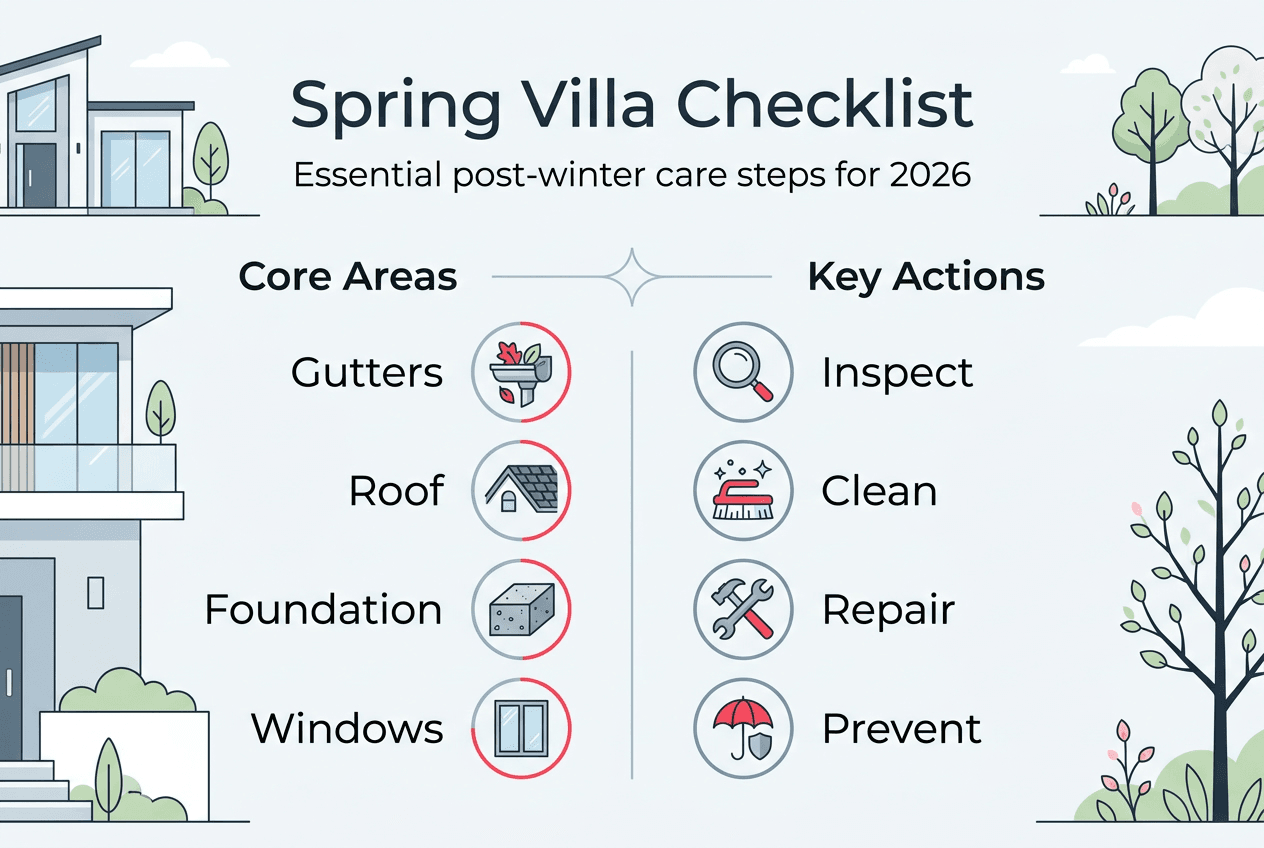
Gutters and drainage systems
Start here because everything else depends on proper water management. Clogged gutters cause water to pool against foundations, seep under roof edges, and freeze in place during cold nights. Clear all debris, leaves, and sediment from gutters and downpipes. Check that water flows freely through the entire system.
Inspect gutter brackets for looseness or corrosion. Winter ice accumulation stresses these connections. Ensure downpipes direct water at least two metres away from foundation walls. Extensions or splash blocks may need repositioning after frost heave moved them during winter.
Plumbing inspection protocol
- Begin with outdoor taps and exposed pipes
- Check all visible connections for moisture or corrosion
- Inspect backflow valves for proper operation
- Test water pressure at multiple fixtures
- Listen for unusual sounds indicating air in lines
- Examine basement and crawl space pipes carefully
Pro Tip: Place sheets of paper under pipe connections and joints overnight. Return the next day to check for water spots, which reveal slow leaks invisible to casual inspection.
This simple detection method catches problems before they escalate. Even minor drips waste water and promote mould growth in enclosed spaces. Address any discovered leaks immediately, calling professionals for repairs beyond basic connection tightening.
Electrical system check
Rodent damage to wiring creates fire hazards. Inspect attic spaces, basements, and utility areas for chewed insulation or exposed conductors. Look for droppings, nesting materials, and gnaw marks on cable sheathing. Any compromised wiring requires immediate professional assessment.
Test all GFCI outlets, especially those in bathrooms, kitchens, and outdoor locations. Verify that circuit breakers operate correctly. Check outdoor lighting fixtures for water intrusion and secure mounting.
Foundation and exterior envelope
| Gebied | Wat controleren? | Vereiste actie |
|---|---|---|
| Foundation walls | Cracks wider than 3mm, moisture stains | Professional assessment if structural |
| Window seals | Gaps, deteriorated caulking | Reseal with weatherproof compound |
| Door frames | Warping, gaps, threshold damage | Adjust or replace as needed |
| Exterior walls | Loose siding, damaged render | Repair to prevent water infiltration |
| Roof edges | Missing tiles, lifted flashing | Secure or replace immediately |
Freeze–thaw cycles create or worsen foundation cracks each winter. Small cracks may be cosmetic, but those showing active movement or water seepage need expert evaluation. Document crack locations and widths for monitoring changes over time.
Roof and attic assessment
Snow load stresses roof structures even after snow melts. From ground level, scan for sagging ridge lines or uneven surfaces indicating potential structural issues. Use binoculars for closer inspection without climbing. Look for missing, cracked, or displaced tiles.

Inside the attic, check for water stains on roof decking, which indicate leaks. Examine insulation for compression, moisture, or pest damage. Verify that ventilation remains unobstructed. Condensation in attics leads to mould growth and wood rot if not addressed promptly.
Outdoor spaces and access
Walk all pathways, patios, and deck surfaces. Freeze–thaw action creates uneven pavers and loose deck boards. These become trip hazards requiring immediate correction. Inspect railings for stability, tightening loose connections. Test outdoor lighting along paths and entry areas.
Gravel driveways and paths often need regrading after winter frost heave redistributes material. Fill low spots and smooth high ridges to maintain proper drainage and safe vehicle access. The preventative maintenance inspection approach applies equally to outdoor areas.
Systems and mechanical equipment
Heat pumps and ventilation systems require professional servicing annually. Schedule this early in spring before peak demand makes technicians less available. Change or clean filters in ventilation systems. Verify that outdoor heat pump units remain clear of debris and vegetation.
Test basement dehumidifiers if your property uses them. Empty and clean collection tanks. Check that condensate drains flow freely. Proper humidity control prevents mould growth in below-grade spaces during spring’s temperature fluctuations.
Common mistakes to avoid and when to call a professional
Even experienced villa owners make preventable errors during spring maintenance. Learning from common mistakes saves time, money, and frustration.
Skipping gutter maintenance ranks as the most damaging oversight. Data shows 35% of property owners neglect this critical task, leading to foundation damage, basement flooding, and landscape erosion. The consequences far exceed the minimal effort required for cleaning. Gutters deserve priority attention every spring without exception.
Attempting repairs beyond your skill level creates compounding problems. Foundation work demands specialised knowledge of soil mechanics, drainage, and structural loads. HVAC systems involve refrigerants, electrical components, and safety controls requiring certification to handle legally. Plumbing backflow prevention connects to public health regulations. These areas need professional expertise, not enthusiastic DIY attempts.
Rushing through inspections produces incomplete assessments. Proper examination takes time. You must look behind, under, and inside systems to spot developing issues. Surface-level checks miss the hidden damage that becomes expensive later. Budget adequate time for thorough investigation rather than hasty walkthroughs.
Key professional intervention points:
- Foundation cracks showing active movement or water infiltration
- Electrical systems with any sign of rodent damage or moisture exposure
- HVAC equipment requiring refrigerant work or major component replacement
- Roof structural issues beyond simple tile replacement
- Plumbing backflow devices and pressure regulation systems
Failing to document findings undermines future maintenance planning. Without records, you cannot track whether issues progress, stabilise, or resolve. Digital tools make documentation effortless. Photograph problem areas, note dates, and record actions taken. This history proves invaluable when selling property or filing insurance claims.
“The cheapest repair is the one you prevent through early detection. The most expensive is the one you attempt without proper expertise.”
Ignoring small problems guarantees large ones. That minor roof leak seems manageable until it saturates insulation, rots roof decking, and promotes mould growth throughout the attic. Early intervention stops this progression. The property management checklist essentials methodology emphasises catching issues whilst they remain simple fixes.
Overconfidence in DIY abilities causes particular trouble with waterproofing and drainage work. Improper grading around foundations channels water toward structures instead of away. Incorrectly applied sealants trap moisture rather than excluding it. These mistakes often worsen the original problem. When uncertain about proper technique, consult professionals before proceeding.
Neglecting safety protocols during maintenance work leads to injuries that could easily be prevented. Falls from ladders and roofs cause serious harm. Electrical shocks from amateur wiring work can be fatal. Respect the risks inherent in property maintenance. Use proper safety equipment and know when tasks exceed safe DIY limits.
Timing errors compound other mistakes. Delaying maintenance until problems become obvious means you have missed the optimal intervention window. Spring maintenance works because it catches winter damage early. Waiting until summer or autumn allows issues to worsen through months of exposure to weather and use.
Discover premium villas and maintenance support with Guestly Homes
Maintaining a premium villa demands consistent attention and expert support. Guestly Homes understands this reality because we operate luxury properties across Sweden with the same standards you expect for your own villa. Our portfolio includes meticulously maintained homes where every system receives professional care year-round.

Property owners partnering with Guestly Homes gain access to our maintenance network and operational expertise. Whether you are considering our modern luxury villa with lake view, the spacious 5-bedroom villa with sauna, or the modern 4-bedroom villa with sauna, each property benefits from systematic maintenance protocols that prevent issues before they escalate.
Our approach combines proactive care with rapid response capabilities. We do not wait for problems to announce themselves. Regular inspections, seasonal maintenance, and immediate attention to emerging issues keep properties performing at premium standards. This methodology protects your investment whilst ensuring guest satisfaction remains consistently high. Owners working with Guestly Homes focus on returns whilst we handle the detailed work of property stewardship.
Frequently asked questions
How often should I perform spring villa maintenance?
Spring maintenance is recommended annually after winter to catch damage early and prepare for the warmer months. Thorough checks prevent costly repairs later by addressing issues whilst they remain manageable. Properties in harsh winter climates benefit from additional mid-winter checks if accessible.
Can I handle all maintenance tasks myself or should I hire professionals?
Minor tasks like gutter cleaning or seal repairs can be DIY with proper knowledge and safety equipment. Complex work on foundations, plumbing backflow systems, or HVAC requires professionals to avoid costly errors. Electrical repairs always need certified technicians due to safety and legal requirements.
What are the risks of skipping spring maintenance after winter?
Ignoring maintenance can lead to hidden water damage, frozen pipe bursts, pest infestations, and structural issues. Repairs become costlier and may jeopardise property safety and value if delayed. Small problems caught in spring remain affordable fixes, whilst neglected issues escalate into major renovations by summer.
How can digital tools assist with villa maintenance?
Digital tools help schedule and track maintenance easily, providing reminders for recurring tasks. They document completed work, aiding in upkeep consistency and creating valuable records for property history. Many property management maintenance systems now integrate mobile apps with photo documentation and service provider coordination features.
Aanbevolen
- Protect your Nordic property: spring checklist after harsh winter 2026 – Guestly Homes
- 6 Essential Steps for an Effective House Maintenance Schedule – Guestly Homes
- 8 Essentials for a Swedish Homeowner Maintenance Checklist – Guestly Homes
- 7 Key Steps for Your House Winter Checklist Explained – Guestly Homes
- Seasonal home maintenance tips for McKinney & Plano, TX