

TL;DR:
- Raising rent often triggers vacancy and turnover, eroding short-term gains despite income pressure.
- Focusing on maintaining high standards in cleanliness, furnishings, and management ensures consistent, sustainable rental income growth.
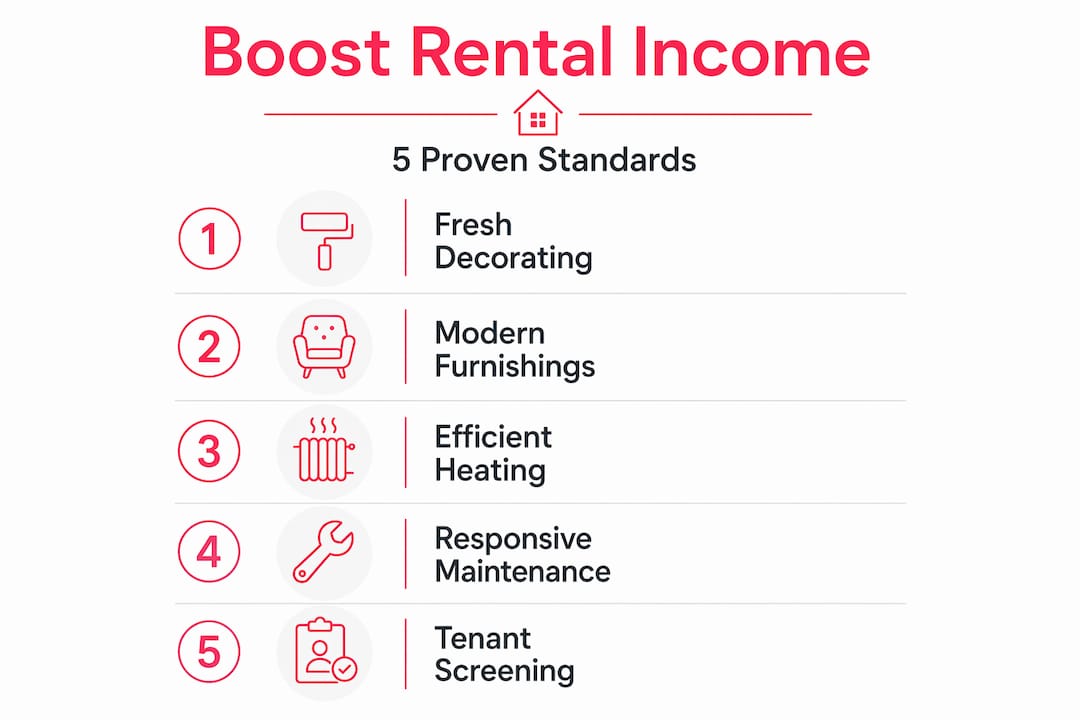
Raising the rent is the most obvious lever property owners reach for when income feels flat. Yet it is also the one most likely to trigger vacancy, tenant turnover, and the kind of financial friction that erases any short-term gain. The more sustainable path, and the one consistently backed by multi-lever income data, lies in learning how to increase rental income with top standards. This means treating cleanliness, furnishing quality, professional management, and guest experience not as optional extras, but as the core system through which your property performs.
Inhoudsopgave
- Key takeaways
- The standards that directly shape rental income
- Prioritising upgrades for the best return
- Operational standards that keep tenants renewing
- Attracting corporate guests and longer stays
- Measuring and sustaining your income gains
- My perspective on standards and sustainable growth
- See these standards in action at Guestlyhomes
- FAQ
Key takeaways
| Punt | Details |
|---|---|
| Standards drive stable income | Consistent quality in cleanliness, furnishing, and communication attracts better tenants and reduces vacancy. |
| Prioritise upgrades by payback period | Focus on improvements where the rental premium recoups the cost within the expected tenancy duration. |
| Maintenance responsiveness retains tenants | Prompt repair responses are the top factor tenants cite when deciding to renew a lease. |
| Corporate tenants reward high standards | Fully furnished, professionally managed properties secure longer stays, reducing marketing and vacancy costs. |
| Track NOI, not just gross rent | Net Operating Income reveals whether income gains are real after maintenance, vacancy, and operating costs. |
The standards that directly shape rental income
When property professionals talk about “top standards,” the formal term is service quality consistency. It refers to the repeatable, documented delivery of a defined guest and tenant experience across every stay. This is not about luxury for its own sake. It is about removing the friction that causes tenants to leave, reviews to suffer, and pricing power to erode.
Several specific elements carry the most weight:
- Cleanliness. A property that arrives spotless sets the tone for every interaction that follows. Cleanliness affects first impressions, online reviews, and repeat bookings more directly than almost any other factor.
- Furnishing quality. Comfortable beds, durable seating, and well-chosen materials signal care and competence. Cheap furniture communicates the opposite, and tenants notice.
- Reliable high-speed WiFi. For professionals and project teams, this is non-negotiable. A dropped connection during a remote meeting costs the tenant far more than the rent premium they might pay for a better-equipped property.
- Well-equipped kitchens. Extended-stay guests in particular base their comfort on whether a kitchen genuinely works. Full cooking capability, quality appliances, and adequate storage matter.
- Professional photography and listing accuracy. Properties that are presented honestly and attractively receive more qualified enquiries. Misleading presentation wastes everyone’s time and damages trust before a tenancy begins.
- Consistency across stays. A single exceptional stay followed by a mediocre one destroys the reputation a property has built. Guest satisfaction benchmarks drawn from over 39 million reviews confirm that consistency is the defining factor separating average properties from high-performing ones.
Understanding how to enhance rental value begins with assessing each of these standards honestly against what your property currently delivers.
Prioritising upgrades for the best return
Not every improvement delivers the same financial result, and spending on the wrong upgrade first is a common and costly mistake. The most reliable tool for making these decisions is the payback period calculation.
The formula is straightforward: divide the total upgrade cost by the expected monthly rent increase, then multiply by 12. A £12,000 kitchen remodel yielding £150 per month in additional rent has a payback period of 6.7 years. If your average tenancy runs three years, that investment will not recoup itself before the next turnover. A £1,200 repaint and lighting refresh yielding the same £150 monthly increase pays back in under a year.
| Upgrade type | Estimated cost | Monthly rent uplift | Payback period |
|---|---|---|---|
| Repainting and lighting | £800–£1,500 | £80–£150 | 6–12 months |
| Quality bed and bedding | £600–£1,200 | £60–£100 | 8–14 months |
| High-speed WiFi upgrade | £150–£400 | £50–£100 | 2–5 months |
| Full kitchen remodel | £8,000–£15,000 | £100–£200 | 4–8 years |
| Energy efficiency improvements | £2,000–£6,000 | £50–£120 | 2–6 years |
Energy efficiency is worth specific attention. UK government policy now targets EPC Band C for rental properties, and staged compliance requirements are already in motion. Improvements here deliver both regulatory protection and a genuine marketing advantage with quality tenants.
Sequence your upgrades by shortest payback period first, moving to longer-horizon investments only after the short-term improvements are generating income. This approach preserves cash flow while systematically raising the standard of your property.
Pro Tip: When evaluating premium amenity choices, always weigh the ongoing maintenance cost of the upgrade alongside its upfront price. An outdoor hot tub may attract attention, but the quarterly servicing cost can quietly erode the rent uplift it generates.
Operational standards that keep tenants renewing
The physical property is only half of the equation. How a property is managed determines whether good tenants stay, and whether their experience translates into the kind of reputation that attracts more quality tenants in the future.
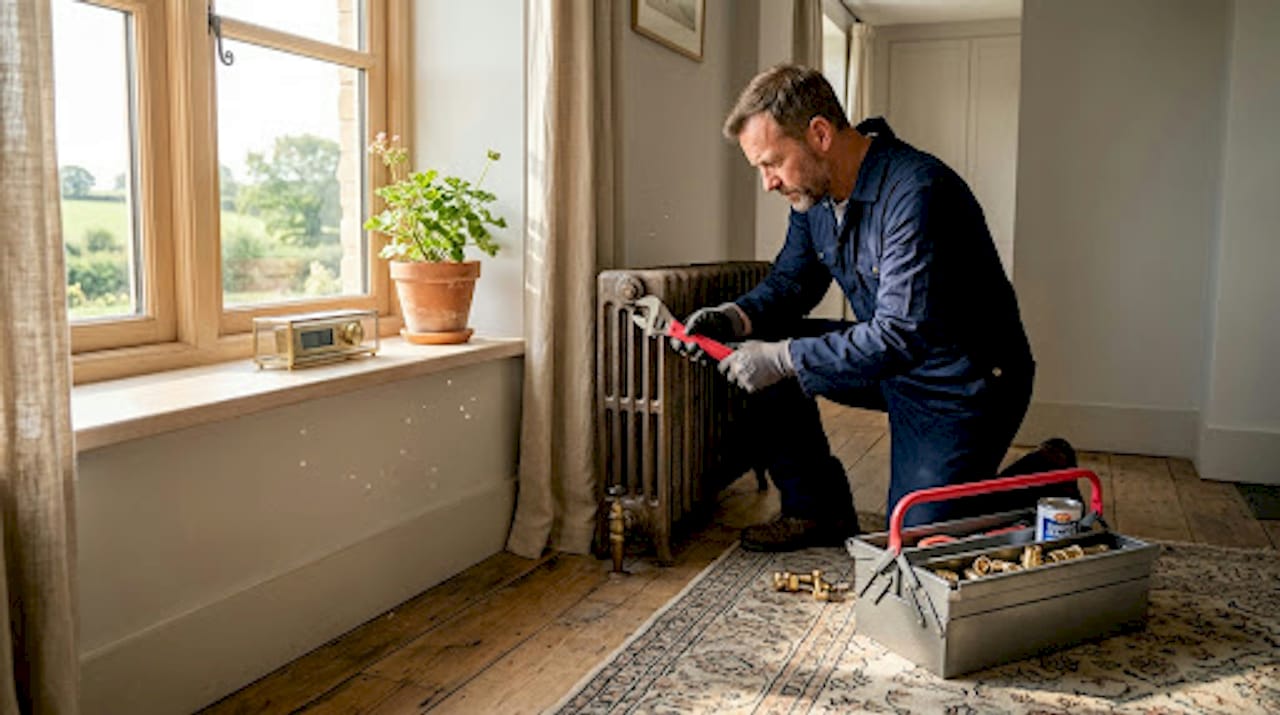
The most important operational factor is maintenance responsiveness. Research confirms that repair response speed is the leading reason tenants cite when deciding whether to renew a lease. A property that handles repairs within 24 to 48 hours feels cared for. A property where requests disappear into silence feels neglected, regardless of how well it was furnished at the start of the tenancy.
Practical ways to build this into your management approach:
- Set clear service level agreements for maintenance categories. Emergency repairs within four hours, non-urgent repairs within 48 hours, cosmetic issues within seven days.
- Use a documented communication log so every request and resolution is recorded. This protects you legally and allows you to spot patterns before they become larger problems.
- Plan lease renewals 60 to 90 days before expiry, pairing any modest rent increase with a tangible improvement or acknowledgement of the tenant’s loyalty. Managing renewals proactively reduces vacancy periods and softens resistance to annual rent adjustments.
- Maintain comprehensive records of income, expenses, and maintenance. The guidance around rental recordkeeping is consistent across jurisdictions: clear documentation supports financial decisions, protects during audits, and reveals whether your income is genuinely improving over time.
Pro Tip: Consider your lease renewal process as a retention campaign, not an administrative task. A short message acknowledging a tenant’s tenure, paired with a minor improvement such as new kitchen appliances, can convert an uncertain renewal into a two-year extension.
For practical guidance on daily management discipline, the property management tips compiled by Guestlyhomes provide a solid operational framework.
Attracting corporate guests and longer stays
The tenant profile you attract is one of the most consequential decisions a property owner makes, yet it rarely receives the attention it deserves. Corporate guests and long-term renters are not simply willing to pay more. They are actively looking for properties that justify a premium, and when they find one, they stay longer.
Here is what this group consistently prioritises when choosing accommodation:
- Reliable, fast WiFi. A connection that drops or throttles during working hours is the single fastest way to lose a professional tenant’s trust. Confirmed speeds matter more than claimed speeds.
- Comfortable, quality beds. Extended stays in particular hinge on sleep quality. Guests who sleep well perform well and associate that outcome with your property.
- Fully equipped kitchens. The ability to cook proper meals during a multi-week stay is not a luxury preference. It is a practical necessity that influences booking decisions at the comparison stage.
- Consistent cleanliness. Corporate tenants expect the same standard on day 20 as on day one. Scheduled cleans, not reactive ones, signal professional management.
- Professional, responsive communication. One clear point of contact who responds within a few hours is far more reassuring than a responsive platform with an unreliable human behind it.
Longer stays directly reduce your net vacancy rate and the associated marketing and management costs. A property occupied for ten months by a single professional tenant requires far less effort and expenditure than the same property cycled through eight short bookings. The income per occupied night may appear lower, but the net return is typically stronger once costs are accounted for.
Guest feedback is also a compounding asset in this context. Review-driven revenue grows as positive reviews accumulate, improving search visibility and conversion without additional marketing spend. Actively soliciting structured feedback after each stay and using it to refine your offering is not optional if you are managing at a premium level.
Measuring and sustaining your income gains
Knowing that your standards have improved is not the same as knowing your income has improved. The metric that matters here is Net Operating Income, or NOI. NOI is calculated as gross rental income minus all operating expenses, including maintenance, management fees, insurance, and void periods. It is the number that tells you whether your property is genuinely performing better, not just collecting more gross rent.
| Metric | What it measures | Why it matters |
|---|---|---|
| Net Operating Income (NOI) | Income after all operating costs | Reveals true profitability, not just top-line rent |
| Void rate | Percentage of time unoccupied | Directly impacts annual return; reducing by 5% has large income effect |
| Maintenance cost ratio | Maintenance spend as % of gross rent | Signals whether standards are being maintained proactively |
| Tenant tenure | Average length of tenancy | Longer tenure reduces turnover costs and marketing spend |
| Review score trend | Average rating over rolling 6 months | Leading indicator of future occupancy and pricing power |
Thorough tenant screening is one of the highest-impact practices available to property owners, yet it is often treated as an afterthought. Screening reduces eviction costs by £3,500 to £10,000 per incident and improves average tenancy length from 1.2 to 2.8 years. The financial case for investing time in selecting the right tenant is overwhelming.
Ancillary income is also worth considering once core standards are in place. Additional revenue streams such as parking, storage, and service additions can add £150 to £250 per unit per month with no rent increase and no additional vacancy risk. These are tenant-initiated, optional additions that require no market justification.
My perspective on standards and sustainable growth
I have seen owners chase rent increases year after year while quietly losing ground. Turnover costs, void periods, maintenance deferred until it becomes expensive, reviews that drift from four stars to three. The maths rarely add up in their favour.
What I have learned from working with property portfolios is that the compounding effect of consistent standards is far more powerful than any single rent adjustment. A tenant who stays for three years in a well-maintained property with responsive management generates more net income than two shorter tenancies in the same property, even if the second tenancy commanded a higher monthly rent. Turnover is expensive in ways that are easy to underestimate: cleaning, remarketing, void period, and the time spent managing transitions.
The uncomfortable truth about rental income is that it is mostly a retention problem, not an acquisition one. Owners who treat their properties as products to be maintained and improved systematically, rather than assets to extract from, consistently outperform those who do not.
I also think the industry underestimates the value of reputation as a financial asset. A property with a consistent five-star record attracts a different calibre of tenant, commands a genuine price premium, and requires less marketing effort over time. Building that reputation takes patience and operational discipline. But once it is established, it generates returns that no single upgrade ever could.
— Joakim
See these standards in action at Guestlyhomes
The principles in this guide are not theoretical at Guestlyhomes. They describe the operating standard we hold across every property we manage in Sweden and across the Nordics. Every stay is delivered with hotel-grade consistency: professional photography, fully equipped kitchens, quality beds, responsive maintenance, and clear communication from first enquiry to check-out.
If you are a property owner seeking a management partner who protects your asset, attracts quality tenants, and delivers stable income without your daily involvement, Guestlyhomes offers two partnership models built around your needs. Explore what that looks like in practice through our executive apartment and our luxury villa with lake view, both of which represent the standard we maintain and the income performance we deliver. Speak to our team to learn which model fits your property and your goals.
FAQ
What is the fastest way to increase rental income?
The highest-return improvements are typically low-cost upgrades with short payback periods, such as repainting, improved lighting, and reliable WiFi, paired with proactive tenant retention. Multi-lever income strategies consistently outperform single-lever rent increases.
How does cleanliness affect rental income?
Cleanliness directly influences guest reviews, repeat bookings, and the calibre of tenant your property attracts. Properties with consistently high cleanliness scores command stronger pricing and suffer fewer void periods between tenancies.
Why do corporate tenants pay more for fully managed properties?
Corporate guests and professionals require consistency, fast WiFi, comfortable beds, and professional communication throughout their stay. Properties that deliver this reliably justify a premium and attract longer tenancies, which reduces vacancy and turnover costs.
What is Net Operating Income and why should landlords track it?
Net Operating Income is gross rental income minus all operating expenses including maintenance, void periods, and management fees. It is the most accurate measure of whether a property is genuinely profitable, rather than simply generating higher headline rent figures.
How does tenant screening improve rental income?
Thorough screening reduces eviction costs by £3,500 to £10,000 per incident and extends average tenancy length significantly. Better tenants stay longer, pay reliably, and care for the property, all of which reduce operating costs and protect net income.