

TL;DR:
- Choosing the right accommodation in Sweden is crucial for seamless registration, reliable digital access, and winter preparedness. Managed, serviced housing offers flexibility, support, and work-ready amenities essential for a successful relocation. Proper planning of address details, vetting landlords, and understanding seasonal needs ensure productivity and wellbeing during your assignment.
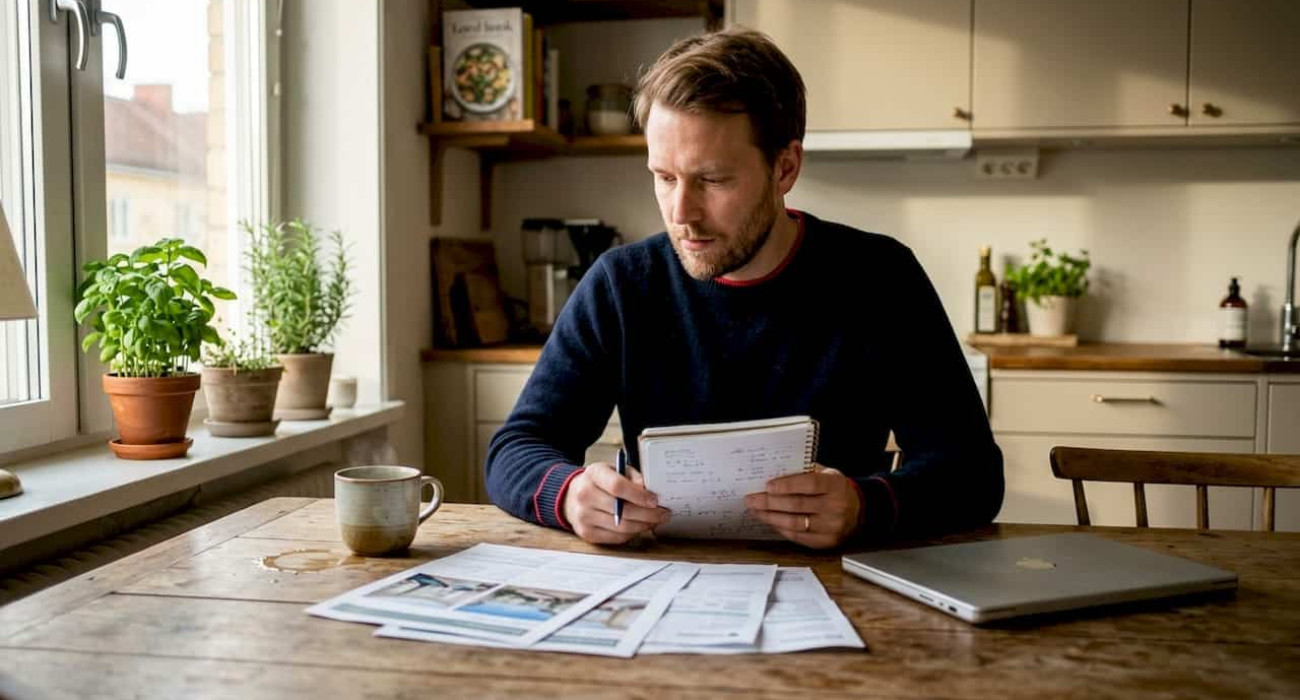
Accommodation is the single most consequential decision you make when relocating to Sweden for work, because the wrong choice delays your personnummer registration, disrupts your commute, and undermines your productivity from day one. The process of finding accommodation in Sweden is formally known as bostadssökning, and professionals on temporary work assignments must approach it with the same rigour they apply to contract negotiations. Sweden’s housing market is structured, regulated, and at times counterintuitive for newcomers. Skatteverket requires a fully detailed address for official registration, BankID activation depends on a stable address and bank account, and platforms like Boplats Göteborg operate on queue systems that can span decades. Getting your accommodation right from the start is not a comfort issue. It is an administrative and professional necessity.
What to look for before booking accommodation for work in Sweden
The core criteria for evaluating temporary work accommodation in Sweden fall into five practical categories: commute and transport access, digital infrastructure, domestic facilities, support availability, and climate readiness. Each one directly affects your ability to work and live effectively.
Commute and transport access
Sweden’s public transport networks in Stockholm, Gothenburg, and Malmö are reliable and well-integrated, but proximity to your workplace still matters significantly. A 45-minute commute by SL (Stockholm’s public transport system) or Västtrafik in Gothenburg is manageable; a 90-minute journey involving multiple connections is not sustainable during a demanding project. Check whether the accommodation is within walking distance of a metro, tram, or bus stop, and confirm that the route operates during your working hours, including early mornings and late evenings. If you drive or plan to hire a car, verify that parking is included or available nearby, as street parking in central Stockholm and Gothenburg is both limited and expensive.
Digital infrastructure and workspace
Reliable high-speed WiFi is non-negotiable for any professional on a temporary assignment. Confirm the upload and download speeds before booking, not just the presence of a WiFi connection. A dedicated workspace, meaning a proper desk and chair rather than a kitchen table, is equally important for sustained productivity. Many hotels provide neither adequate upload speeds nor ergonomic workspaces, which becomes a genuine problem during video-heavy project work.
Domestic facilities and daily comfort
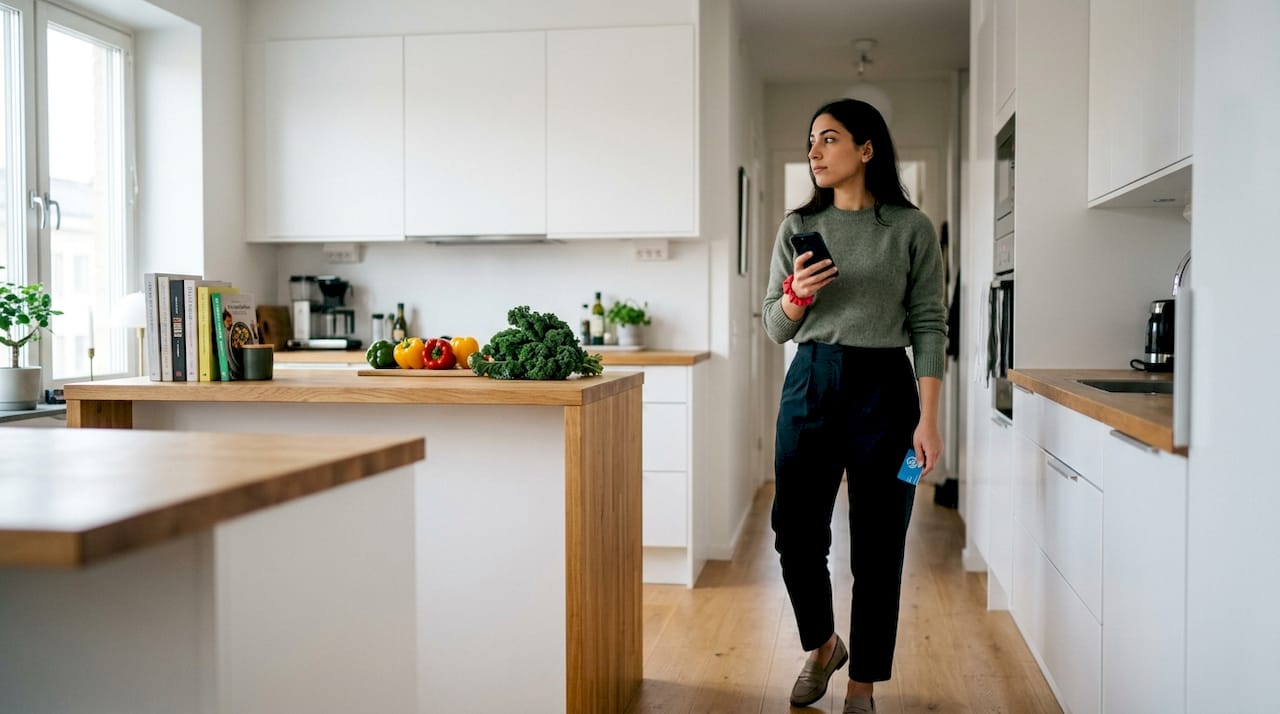
Kitchen access matters more than most professionals anticipate before arriving. Sweden’s cost of living is high, and eating out daily in Stockholm adds up quickly. A well-equipped kitchen allows you to maintain healthy routines and manage your budget. Laundry access, either in-unit or via a shared tvättstuga (laundry room), is standard in Swedish residential buildings but not always available in hotel-style accommodation. Confirm both before committing.
- Proximity to a grocery store (ICA, Coop, or Willys) within walking distance
- Access to a shared or private laundry facility
- Adequate kitchen equipment including a hob, oven, and refrigerator
- Sufficient storage for professional clothing and work equipment
Pro Tip: Ask the accommodation provider specifically whether the WiFi is shared across multiple units or dedicated to your apartment. Shared connections in larger buildings can slow significantly during peak evening hours.
Support and climate readiness
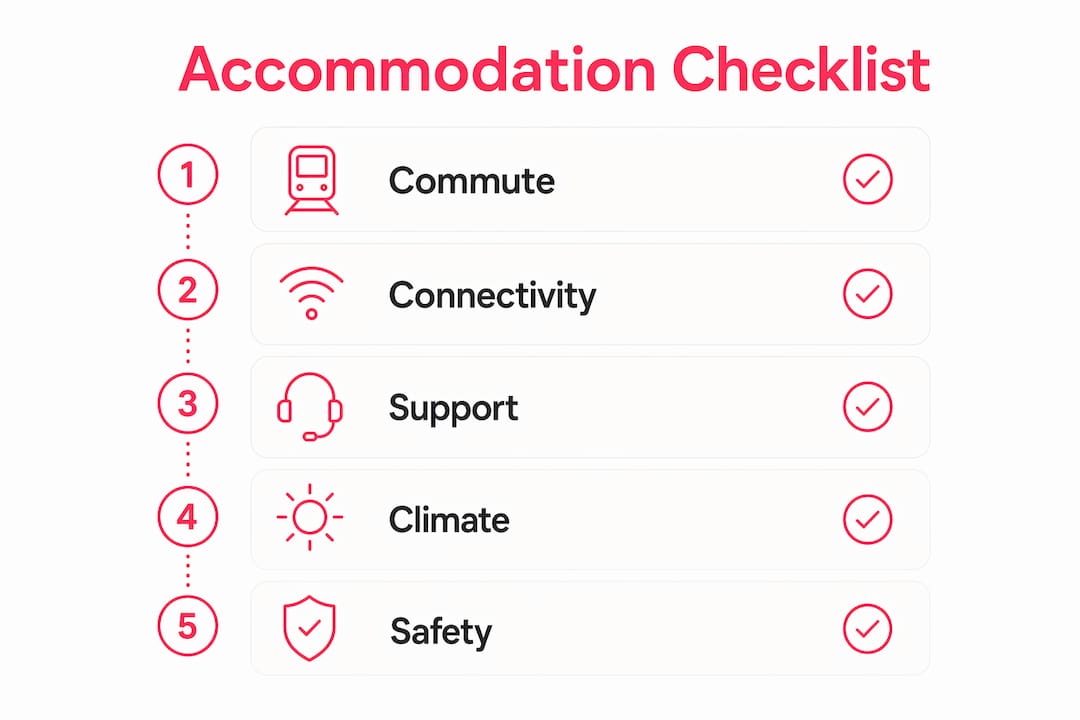
Sweden’s winters are genuinely demanding. Temperatures in Stockholm regularly fall below minus ten degrees Celsius between December and February, and daylight hours drop to fewer than seven. Verify that the property has effective insulation, a modern heating system, and that snow clearance is managed for entrances and stairways. A landlord or managed housing provider who handles these conditions proactively is worth considerably more than a cheaper option that leaves you managing maintenance calls in a second language.
Hotels, private rentals, or corporate housing: which suits your stay?
The three primary accommodation types available to professionals relocating temporarily to Sweden each carry distinct advantages and limitations. The right choice depends on the length of your assignment, your budget, and the administrative requirements of your relocation.
| Accommodation type | Best suited for | Key advantages | Key limitations |
|---|---|---|---|
| Hotell | Short stays under 3 weeks | Flexibility, no contract required | No kitchen, limited workspace, high daily cost |
| Private rental | Medium to long stays | Space, autonomy, lower monthly cost | Queue challenges, contract complexity, sometimes requires personnummer |
| Corporate or serviced housing | All professional stay lengths | Work-ready amenities, managed support, contract flexibility | Higher monthly cost than private rentals |
Hotel stays offer maximum flexibility and require no lease agreement, which suits professionals arriving for a short project sprint. The limitation is practical: most hotels lack proper kitchen facilities and ergonomic workspaces, and the daily cost in Stockholm or Gothenburg becomes significant over three weeks or more.
Private rentals provide the most space and autonomy, but the Swedish rental market presents a structural challenge for newcomers. First-hand rental contracts in Stockholm carry queue times of 8 to 20 years, making them entirely impractical for anyone on a work assignment. This means professionals must rely on second-hand (sublet) contracts, which are the realistic option but require careful vetting. Rental contracts must clearly state all parties, the rental period, rent amount, deposit terms, and notice periods. Tenant protections apply even in second-hand arrangements, but only if the contract is properly documented.
Studio apartment rents in 2026 vary significantly by city: Stockholm ranges from 13,000 to 16,000 SEK per month, Gothenburg from 10,000 to 14,000 SEK, and Malmö from 8,000 to 12,000 SEK. These figures reflect the second-hand market and represent a meaningful share of a professional’s monthly salary, particularly given that non-EU citizens must earn at least 28,480 SEK monthly to qualify for a Swedish work permit in 2026.
Professionally managed corporate and serviced housing is the most practical option for the majority of work relocations. These properties offer work-ready amenities, managed maintenance, and contracts aligned with work permit durations. Guestlyhomes operates fully managed serviced apartments and villas across Sweden, specifically designed for professionals and project teams who need a home-like environment with consistent standards. You can read a detailed comparison of corporate housing options to understand how managed solutions compare across Swedish cities.
Pro Tip: If your assignment may extend beyond the original timeline, confirm at the point of booking whether the contract can be extended month by month. Flexibility clauses are far easier to negotiate before signing than after.
Key practical checks before confirming your booking
The administrative dependencies in Sweden’s housing system are specific and unforgiving. Missing one detail can delay your entire setup by months.
-
Confirm the full address format. Skatteverket requires a complete address including the four-digit apartment number for personnummer registration. An incomplete address delays the process significantly, and without a personnummer, access to banking, healthcare, and most digital services is restricted.
-
Verify the landlord’s identity before paying any deposit. Use platforms that require BankID verification for landlords, as this reduces the risk of rental fraud considerably. Never transfer a deposit without first viewing the property and signing a contract.
-
Check that your name will appear on the mailbox and door. Swedish law requires your name to be physically displayed on your mailbox for official postal delivery. This affects receipt of tax documents, bank cards, and administrative correspondence from Skatteverket.
-
Plan your BankID timeline. BankID activation takes one to three months after obtaining a personnummer and opening a Swedish bank account. Without BankID, you cannot access most Swedish digital services, including online banking, healthcare bookings, and many rental platforms. Your accommodation address is the starting point for this entire chain.
-
Assess contract flexibility for unpredictable schedules. Business travel, project extensions, and family visits all affect how you use your accommodation. Confirm notice periods and whether guests are permitted under the terms of your lease.
-
Evaluate the neighbourhood for daily life quality. Proximity to a pharmacy, grocery store, and public transport is practical. Access to parks, gyms, and social spaces matters for wellbeing during longer assignments. The best neighbourhoods in Sweden for expats tend to cluster around Södermalm in Stockholm, Linnéstaden in Gothenburg, and Möllevången in Malmö, all of which offer strong transport links and a dense mix of amenities.
Pro Tip: Register on Boplats Göteborg or the Stockholm housing queue even if you have no immediate intention of using it. Queue time accumulates from the registration date, and having a position in the queue is a long-term asset even if your current stay is managed through corporate housing.
How Swedish seasons and culture shape your accommodation needs
Sweden’s climate and social norms are not peripheral considerations. They directly affect which accommodation works for you and which does not.
Winter in Sweden is long, dark, and cold. Between November and March, the practical demands on your accommodation increase substantially. The following factors deserve specific attention during your search:
- Insulation and heating quality. Modern Swedish buildings are well-insulated, but older properties vary. Ask directly about the heating system and whether it is district heating (fjärrvärme), which is the most common and reliable form in Swedish cities.
- Snow clearance responsibility. In managed properties, this is handled by the operator. In private rentals, it may fall to tenants. Uncleared entrances and stairways are a genuine safety issue.
- Daylight and mental wellbeing. Accommodation with south-facing windows and access to outdoor space makes a measurable difference during the darkest months. This is not a luxury consideration for a three-month winter assignment.
- Cycling infrastructure. Sweden has an extensive cycling culture, and many professionals commute by bicycle. If you plan to cycle, confirm that the property has secure indoor bicycle storage and is located near a designated cycle lane.
- Digital payment norms. Sweden is effectively a cashless society. Swish is the standard payment app for everyday transactions, and most services require BankID for account setup. Your accommodation address underpins all of this.
Swedish social norms around punctuality, work-life balance, and fika are not soft cultural footnotes. They shape the rhythm of professional life. Accommodation that supports a structured daily routine, with space to decompress, prepare meals, and maintain boundaries between work and rest, aligns with how Sweden’s professional culture actually operates.
Key takeaways
The right accommodation for a work relocation to Sweden must satisfy administrative, practical, and wellbeing criteria simultaneously, and evaluating these factors before booking is the only way to avoid costly delays.
| Punkt | Detaljer |
|---|---|
| Address precision matters | Skatteverket requires a full address including apartment number; incomplete details delay personnummer registration. |
| Avoid first-hand rental queues | Queue times of 8 to 20 years make second-hand rentals or corporate housing the only realistic options for newcomers. |
| BankID is the gateway | Activation takes one to three months and depends on a stable address; plan your accommodation timeline accordingly. |
| Corporate housing suits most assignments | Managed properties offer contract flexibility, work-ready amenities, and support that private rentals rarely provide. |
| Winter readiness is non-negotiable | Insulation, heating quality, and snow clearance directly affect safety and productivity during Swedish winters. |
What I have learned about housing for work relocations in Sweden
By Joakim
The most common mistake I see professionals make is treating accommodation as a logistical afterthought, something to sort out after the contract is signed and the flights are booked. In Sweden, that sequence creates real problems. The address you register at is the foundation for your personnummer, your bank account, and your BankID. Get that wrong, or choose a property where the landlord is unresponsive or the contract is vague, and you can lose two to three months of productive setup time.
My honest advice is to prioritise verified, managed accommodation for at least the first three months of any assignment. The cost difference between a well-managed serviced apartment and a cheaper private sublet is rarely as large as it appears once you factor in the time, stress, and administrative friction that poorly managed housing generates. I have seen engineers on six-month projects spend their first eight weeks chasing landlords, disputing deposits, and dealing with heating failures. That is not a housing problem. It is a productivity problem.
I also encourage professionals to take Swedish cultural norms seriously from the first week. The fika ritual and punctuality culture are not quirks. They are signals about how Swedish colleagues and neighbours expect to be treated. Accommodation that gives you space to decompress, prepare a proper meal, and maintain a consistent routine makes it considerably easier to show up well, both professionally and socially.
Register on a housing queue the day you arrive, even if you never intend to use it. Queue time is a long-term asset, and Sweden rewards patience and forward planning in equal measure.
— Joakim
How Guestlyhomes supports your work relocation in Sweden
Guestlyhomes operates fully managed, high-standard serviced apartments and villas across Sweden, designed specifically for professionals, project teams, and executives on extended stays. Every property comes with transparent contracts, verified listings, and direct support for the practical and seasonal demands of working life in Sweden.
Whether you are arriving for a three-month project in Stockholm or a year-long assignment in Gothenburg, Guestlyhomes removes the friction from the housing search. From the 1BR Executive Premium Suite to larger villa options for families or teams, each property is prepared to hotel-grade standards with the space and facilities of a proper home. Explore available properties early. The best options in Sweden’s major cities are secured well in advance, and starting your search with a verified, managed operator is the most reliable way to protect your time and your assignment.
FAQ
What accommodation type suits a three-month work assignment in Sweden?
Professionally managed corporate or serviced housing is the most practical choice for assignments of three months or more. It offers flexible contracts, work-ready amenities, and managed support without the administrative complexity of private rentals.
Why does my exact apartment number matter for registration in Sweden?
Skatteverket requires a complete address including the four-digit apartment number to process personnummer registration. A missing or incorrect apartment number can delay the process by several months, which in turn delays BankID activation and bank account setup.
How long does BankID activation take after arriving in Sweden?
BankID activation typically takes one to three months after obtaining a personnummer and opening a Swedish bank account. The stable address you register at is the starting point for this entire process.
Are private rentals safe for professionals new to Sweden?
Private rentals are viable but require careful vetting. Use platforms that require BankID verification for landlords, always view the property before paying a deposit, and confirm that the rental contract clearly states all parties, the rental period, rent, deposit terms, and notice periods.
What are the best neighbourhoods in Sweden for expats on work assignments?
Södermalm in Stockholm, Linnéstaden in Gothenburg, and Möllevången in Malmö consistently rank well for expat professionals. All three offer strong public transport links, dense amenities, and active social environments that support both work and daily life.
Anbefales
- How to Book Short-Term Corporate Housing Sweden: Save 2-4% – Guestly Homes
- Hvordan bestille leiligheter med service for ditt opphold i Sverige - Guestly Homes
- How to evaluate housing options for business teams in Sweden – Guestly Homes
- Successful work trips: What makes your stay truly work – Guestly Homes