

In breve:
- Swedish social norms focus on respect for personal space, punctuality, and quiet conduct in public. Visitors should understand the rules for alcohol sales, queuing, and outdoor access to avoid discomfort. Following customs like removing shoes and embracing fika helps ensure a respectful and comfortable stay.
Sweden operates by a clear set of social rules. Local customs every visitor to Sweden should know range from where you buy alcohol to how quietly you ride the bus, and getting these right makes the difference between fitting in and standing out. Concepts like Allemansrätten, Systembolaget, and fika are not tourist curiosities. They are everyday operating systems that shape how Swedish society functions. Understanding them before you arrive means fewer awkward moments and a far more comfortable stay.
1. Buying alcohol: Systembolaget rules everything
Alcohol above 3.5% is sold exclusively through Systembolaget, the state-owned off-licence chain. You will not find wine or spirits in a supermarket. Systembolaget locations have restricted opening hours and are typically closed on Sundays, so plan your shopping accordingly.
Key points to know before you shop:
- Systembolaget opens monday to friday, usually 10:00–18:00 or 19:00, and saturday until around 15:00
- Sunday closures are standard across the country
- Beer under 3.5% is available in supermarkets and convenience stores
- Alcohol consumption on outdoor restaurant terraces follows separate licensing rules
Pro Tip: If you are arriving on a Sunday or a public holiday, buy what you need the day before. Running out of options on a Sunday evening is a very common visitor mistake.
2. Social etiquette: calm, punctual, and reserved
Swedish etiquette is best described as friendly but reserved. Swedes value personal space, measured conversation, and punctuality above most other social qualities. Greet people with a calm “Hej” and a brief handshake in formal settings. Hugging strangers or acquaintances is not the norm.
Punctuality carries real weight here. Arriving about five minutes early to a meeting or a dinner invitation signals respect. Arriving late without notice is considered rude, not casual. The same principle applies to social plans: if you say you will be somewhere, be there on time.
- Greet with “Hej” or “Hej hej” in casual settings
- Use a firm, brief handshake in professional or formal introductions
- Arrive five minutes early, not on time and certainly not late
- Keep your voice low in public spaces, restaurants, and transport
- Avoid overly personal questions early in a conversation
Pro Tip: Learning a few basic Swedish phrases goes a long way. English is widely spoken across Sweden, but making the effort with “tack” (thank you) or “förlåt” (excuse me) is noticed and appreciated.
3. Queuing and personal space: the unwritten rules
Orderly queuing is a cornerstone of Swedish public life. Cutting in line is not just frowned upon. It causes genuine social discomfort and marks you immediately as an outsider. Many shops, pharmacies, and government offices use numbered ticket systems. Take a ticket and wait your turn without exception.
Personal space follows the same logic. Swedes keep a respectful distance from strangers in shops, on buses, and on trains. Sitting next to someone when other seats are available reads as intrusive. Keep interactions in public service settings brief and polite.

| Behaviour | Swedish expectation |
|---|---|
| Joining a queue | Always queue from the back; use number tickets where available |
| Standing distance | Maintain at least an arm’s length from strangers in public |
| Conversation in queues | Brief and polite; avoid extended small talk with strangers |
| Cutting in line | Never acceptable; causes immediate social exclusion |
Breaching these norms does not typically result in confrontation. Swedes rarely challenge strangers directly. The consequence is social discomfort and a quiet withdrawal of goodwill, which is harder to recover from than a direct complaint.
4. Allemansrätten: nature access with responsibility
Allemansrätten, or the right of public access, allows visitors to walk, cycle, and camp across most of Sweden’s countryside, forests, and coastline. This is a genuine legal right, not just a cultural tradition. The guiding principle is simple: do not disturb, do not destroy.
Nature access freedoms under Allemansrätten are not unlimited. Legal restrictions apply in national parks and certain nature reserves, particularly around camping, open fires, and motorised vehicles. Always check local signage before setting up camp or lighting a fire.
Key responsibilities under Allemansrätten:
- Leave no litter. Carry out everything you carry in
- Do not pick protected plant species or disturb wildlife
- Camp no more than one or two nights in the same spot without the landowner’s permission
- Keep a respectful distance from private homes and gardens
- Follow all posted signs in reserves and protected areas
Sweden’s commitment to recycling and waste sorting extends into the countryside. Visitors staying in rental accommodation will find separate bins for paper, glass, metal, plastics, and food waste. Use them correctly. Incorrect sorting is noticed and considered inconsiderate.
5. Fika: the social ritual you should not skip
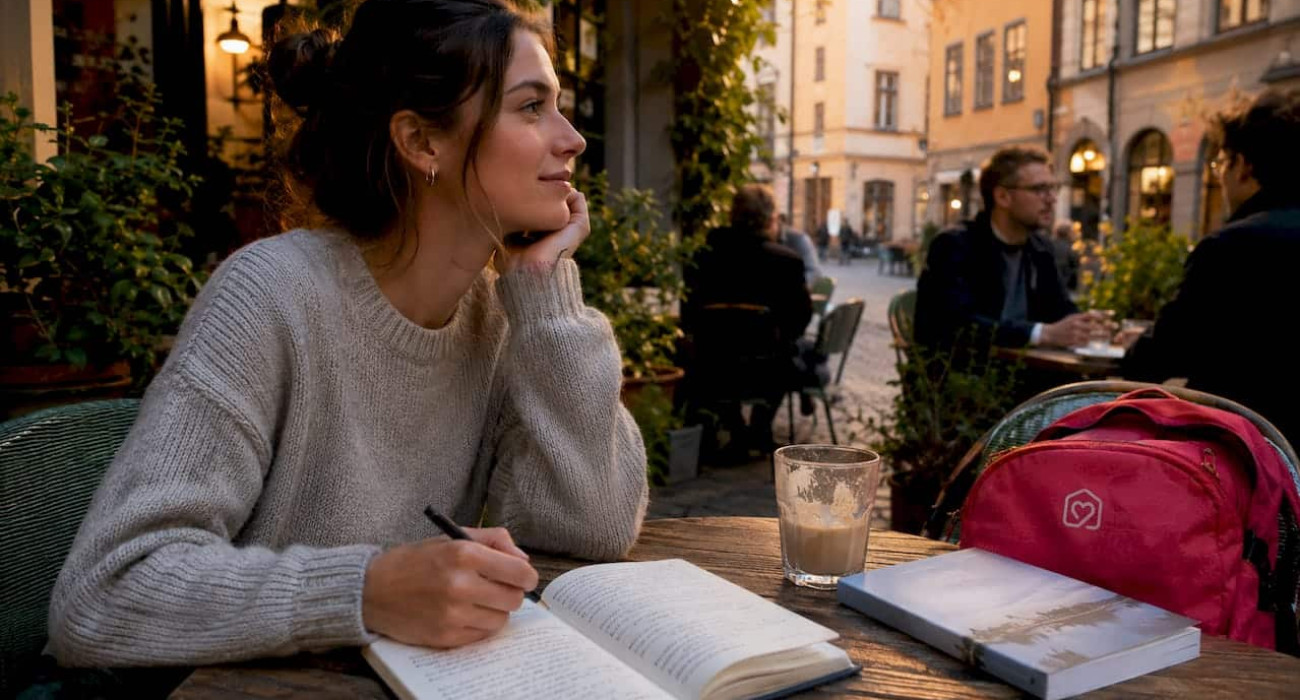
Fika is a Swedish coffee break ritual that carries genuine social significance. It typically happens mid-morning or mid-afternoon and involves coffee, a pastry or light snack, and conversation. Fika is not just about the coffee. It is a deliberate pause to connect with people around you.
Accepting a fika invitation is a sign of respect and openness. Declining without a clear reason can come across as unfriendly. If you are staying in Sweden for more than a few days, whether for work or leisure, you will almost certainly be invited to fika. Embrace it.
Fika also reflects a broader Swedish value: work and rest are both taken seriously. The break is not wasted time. It is built into the rhythm of the day with purpose.
6. Removing shoes indoors
Removing shoes when entering a private home is standard practice across Sweden. This is not a request you wait to receive. It is an expectation. Most Swedish homes have a dedicated entrance area, called a hall, where shoes are left before stepping inside.
The same applies in many rental apartments and serviced properties. If you are unsure, look for a shoe rack near the entrance. Its presence is a clear signal. Wearing outdoor shoes inside a Swedish home is considered unhygienic and disrespectful.
7. Shared laundry rooms and apartment etiquette
Shared laundry rooms in Swedish apartment buildings operate on a booking system. Residents sign up for time slots and are expected to finish on time, clean the machines after use, and leave the room tidy for the next person. This is not optional courtesy. It is the accepted standard.
If you are staying in a serviced apartment or a managed property, check whether laundry facilities are shared or private. Leaving machines running past your booked slot, or leaving clothes in the drum, disrupts the system for everyone else. Clean up after yourself without being asked.
8. Smoking restrictions
Sweden bans smoking in restaurants, bars, outdoor terraces, and bus stops. This is not a guideline. It is law, and it is enforced. Designated smoking areas exist in some locations, but they are clearly marked and often set well away from building entrances.
Do not assume that being outdoors makes smoking acceptable. Terraces and public transport stops are explicitly included in the ban. If you smoke, locate the designated area before lighting up. Smoking in a non-designated outdoor space will draw attention and disapproval.
9. Quiet hours and noise in residential areas
Quiet hours in Swedish residential buildings typically begin at 22:00 and run through to 07:00 on weekdays, with stricter expectations at weekends. Loud music, parties, and disruptive noise after this point are considered a serious breach of community standards.
This applies equally to guests in rental properties. If you are staying in a residential neighbourhood, keep noise levels down in the evening. Swedish neighbours rarely knock to complain directly. They contact building management or, in persistent cases, the authorities.
10. Tipping: modest and optional
Tipping in Sweden is voluntary. Service charges are embedded in prices, so workers do not depend on gratuities. An extra 5–10% for genuinely good service is appreciated but never expected. Paying the exact bill is entirely normal and carries no social stigma.
This is a meaningful difference from tip-dependent cultures such as the United States. You will not receive poor service for not tipping. The system is designed so that service quality does not hinge on gratuity. Tip when you feel it is deserved, not out of obligation.
11. Zero tolerance for drink-driving
Sweden operates a zero-tolerance policy on drink-driving in practical terms. The legal blood alcohol limit is 0.2 mg/ml, which is effectively zero for most people after even a small drink. Penalties are severe and enforcement is consistent.
If you plan to drive in Sweden, do not drink at all on the same day. This applies to rental cars, hired vehicles, and private cars. Public transport in Swedish cities is reliable and widely available. Use it on evenings when alcohol is involved.
Key takeaways
Understanding Swedish social norms, from Systembolaget’s purchasing rules to Allemansrätten’s access principles, is the most direct way to avoid misunderstandings and have a respectful, comfortable visit.
| Punto | Dettagli |
|---|---|
| Alcohol purchasing | Buy drinks above 3.5% at Systembolaget; plan ahead as it closes on Sundays. |
| Social behaviour | Greet calmly, arrive punctually, and keep voices low in public spaces. |
| Queuing and space | Always queue from the back and maintain distance from strangers in public. |
| Nature access | Allemansrätten grants wide access, but restrictions apply in parks and reserves. |
| Home and apartment customs | Remove shoes indoors, respect laundry time slots, and observe quiet hours from 22:00. |
What I have learnt from watching visitors navigate Sweden
The visitors who struggle most in Sweden are not the ones who break big rules. They are the ones who underestimate the small ones. Talking loudly on a train, leaving shoes on indoors, or missing a Systembolaget closing time on a Saturday afternoon. These are the moments that create friction.
What I have found is that Swedish customs are not difficult to follow once you understand the logic behind them. Sweden is a society built on mutual respect and collective consideration. The queue system, the quiet hours, the shoe removal: all of it points to the same value. Your comfort should not come at the cost of someone else’s.
The reserved friendliness of Swedish people is often misread as coldness. It is not. Accept a fika invitation and the warmth becomes clear. Learn to read the non-verbal cues: a nod, a brief smile, a held door. These are genuine gestures. They simply do not come wrapped in noise.
My practical advice is this. Before you arrive, read up on Swedish work culture and the flat social hierarchies that shape everyday interaction. And if you are staying for an extended period, treat the customs not as rules to follow but as a way of understanding the people around you. That shift in perspective makes everything easier.
— Joakim
Staying in Sweden with Guestlyhomes
Knowing the customs is one thing. Having a base that supports them is another.
Guestlyhomes operates fully managed villas and serviced properties across Sweden, designed for visitors who want a comfortable, well-equipped stay without the friction of figuring out local logistics from scratch. Properties like the modern villa with lake view and the spacious 5BR villa with sauna come with private laundry facilities, quiet residential settings, and the kind of thoughtful setup that makes respecting Swedish customs straightforward from day one. No shared laundry queues. No noise complaints. Just a well-run home that works quietly around you.
FAQ
Where can I buy wine and spirits in Sweden?
Wine, spirits, and beer above 3.5% are sold exclusively at Systembolaget, the state-run off-licence. Supermarkets stock only low-alcohol beer.
Is tipping expected in Swedish restaurants?
Tipping is optional in Sweden. Service charges are included in prices, so an extra 5–10% for good service is appreciated but never required.
What is Allemansrätten?
Allemansrätten is Sweden’s right of public access, allowing visitors to walk and camp across most land. Restrictions apply in national parks and nature reserves, particularly around fires and camping duration.
What are quiet hours in Swedish apartments?
Quiet hours typically begin at 22:00 and run until 07:00. Noise after this point, including music and gatherings, is considered a breach of community standards.
Do I need to remove my shoes in Swedish homes?
Yes. Removing shoes before entering a private home is a firm expectation across Sweden. Look for a shoe rack near the entrance as a clear signal.