
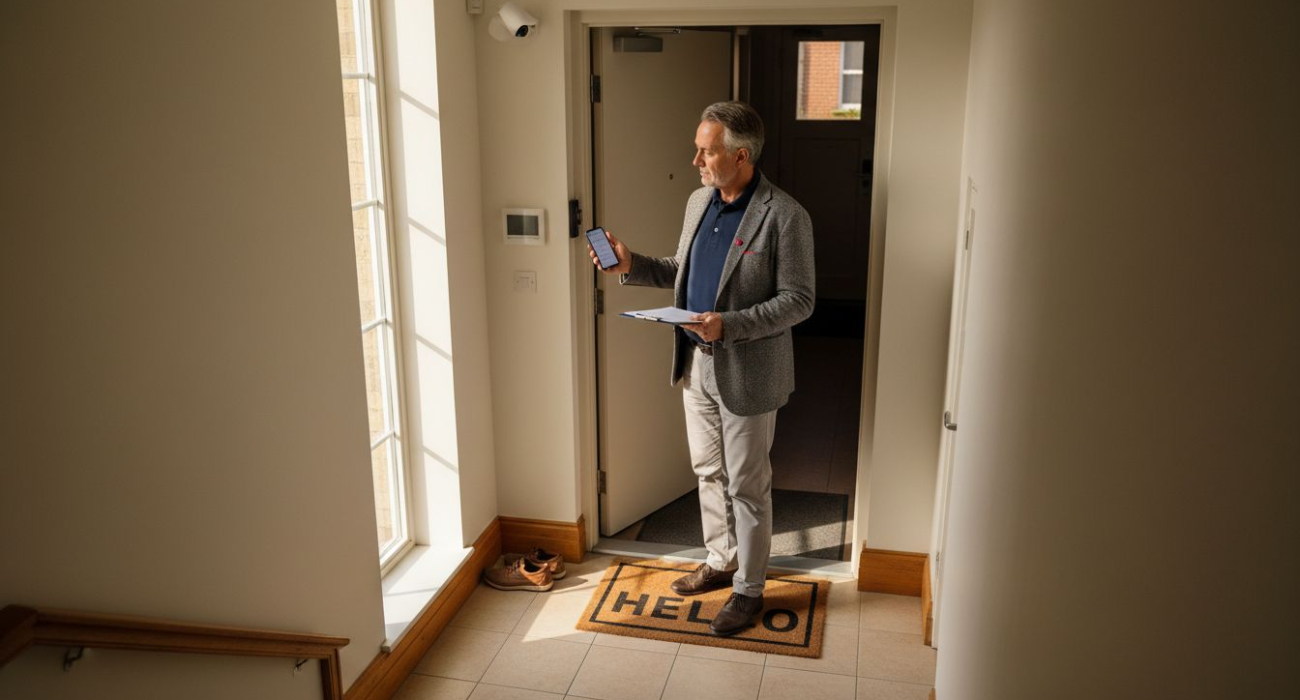

Securing seamless team accommodation in Central Sweden often hinges on more than just comfort. For HR managers and project coordinators, balancing operational efficiency with premium safety protocols is crucial for uninterrupted project progress and peace of mind. With advanced systems now integrating identity verification, real-time monitoring, and smart preventative measures, this guide reveals how managed home solutions create safer environments, simplify arrival procedures, and foster trust for teams staying in prime locations.
Table des matières
- Defining Safety Protocols In Managed Homes
- Verifying Guest Identity And Arrival Process
- Documenting Condition With Cleaner Photographs
- 24/7 Support And Proactive Issue Management
- Preventive Systems: Smoke And Noise Monitoring
- Neighbour Protection And Early Risk Intervention
Principaux enseignements
| Point | Détails |
|---|---|
| Advanced Safety Protocols | Implementing technology-driven safety systems enhances resident protection and proactive risk management in managed homes. |
| Guest Identity Verification | Rigorous identification processes build trust and ensure a secure arrival experience for guests. |
| Comprehensive Documentation | High-quality photographic records safeguard property conditions and support transparent operations. |
| 24/7 Support Systems | Continuous support and predictive maintenance prevent issues before they escalate, providing peace of mind for residents. |
Defining Safety Protocols in Managed Homes
Safety protocols in managed homes represent a comprehensive system of proactive measures designed to protect residents, property, and surrounding environments. These structured approaches go beyond traditional security methods, integrating advanced technologies and systematic monitoring to create secure living spaces. Intelligent safety management now combines multiple technological and procedural elements to minimise risks and enhance resident peace of mind.
The fundamental components of modern safety protocols encompass several critical dimensions:
- Identity Verification: Rigorous guest screening processes
- Access Control: Advanced digital lock and entry systems
- Real-time Monitoring: Smart sensors and surveillance technologies
- Incident Response: Rapid communication and intervention mechanisms
- Preventative Risk Assessment: Systematic evaluation of potential safety vulnerabilities
Technological integration plays a pivotal role in contemporary safety management. Comprehensive security systems now leverage interconnected devices that provide continuous environmental monitoring, enabling property managers to detect and respond to potential risks instantaneously. These systems track everything from unusual noise levels to potential security breaches, creating a multi-layered protective environment.
Real-world safety protocols require more than technology—they demand intelligent, adaptive systems. Modern managed homes employ sophisticated algorithms that learn from historical data, continuously refining risk detection and response strategies. This approach transforms safety from a reactive measure to a proactive, intelligent ecosystem that anticipates and mitigates potential challenges before they escalate.
Pro tip: Implement a quarterly review of your safety protocols to ensure they remain current with emerging technological and security trends.
Here’s a comparison of how advanced safety technologies enhance managed homes versus traditional approaches:
| Aspect | Traditional Methods | Advanced Protocols |
|---|---|---|
| Approach | Reactive, manual checks | Proactive, tech-driven systems |
| Monitoring | Periodic inspections | Real-time, continuous tracking |
| Resident Safety | Inconsistent protection | Consistent, data-informed safety |
| Risk Detection | Often delayed | Instant, predictive alerts |
| Overall Impact | Limited problem prevention | Streamlined, comprehensive protection |
Verifying Guest Identity and Arrival Process
Guest identity verification represents a critical cornerstone of modern managed home safety protocols, transforming the traditional check-in process into a sophisticated, secure interaction. Automated verification systems now enable property managers to authenticate guests precisely, reducing potential risks and ensuring a streamlined arrival experience across multiple international platforms.
The comprehensive guest verification process typically involves several sophisticated stages:
- Document Authentication: Scanning and validating government-issued identification
- Digital Cross-Referencing: Comparing guest information across booking platforms
- Biometric Validation: Advanced systems using facial recognition technology
- Legal Compliance Checks: Ensuring adherence to local and international regulations
- Real-time Background Screening: Quick verification against relevant databases
Secure verification technologies now integrate multiple layers of validation to create a robust arrival process. These systems go beyond simple document checks, employing sophisticated algorithms that can detect potential fraud, verify guest identities across international databases, and provide property managers with comprehensive risk assessments within seconds.
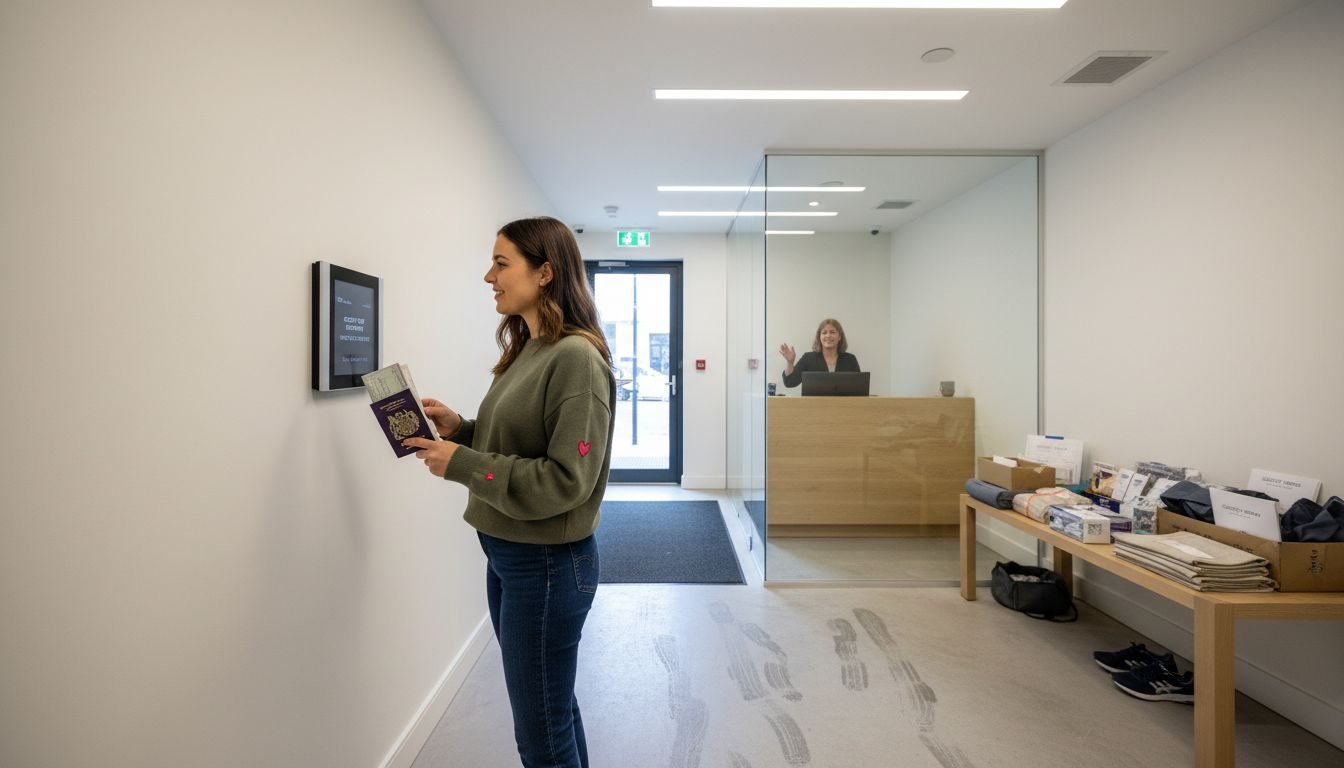
Identity verification is more than a security measure—it’s a trust-building mechanism. By implementing rigorous yet seamless authentication processes, managed homes demonstrate their commitment to guest safety and operational excellence. The technology transforms what was once a potentially intrusive screening into a smooth, professional interaction that protects both the property and its guests.
Pro tip: Invest in multi-factor verification technologies that balance thorough security checks with a frictionless guest experience.
Documenting Condition with Cleaner Photographs
Property condition documentation represents a critical risk management strategy in managed homes, transforming visual record-keeping from a simple administrative task into a sophisticated protection mechanism. Professional cleaners now utilise advanced photographic techniques to create comprehensive, legally admissible visual records that protect both property owners and management companies from potential disputes and misunderstandings.
The systematic documentation process involves several crucial steps:
- Pre-Clean Photography: Capturing initial property condition
- Detailed Room-by-Room Documentation: Comprehensive visual inventory
- High-Resolution Imaging: Using professional-grade camera equipment
- Strategic Lighting Techniques: Ensuring maximum visual clarity
- Metadata Tracking: Timestamping and geolocation of images
Photographic evidence documentation serves multiple critical functions beyond simple record-keeping. These visual archives provide definitive proof of property condition, support maintenance tracking, and offer transparent accountability throughout guest occupancy periods. Modern cleaning teams use sophisticated digital tools that automatically categorise, store, and retrieve photographic evidence with remarkable precision.
Photographic documentation is more than just taking pictures—it’s creating a visual narrative of property maintenance. By establishing a consistent, rigorous documentation protocol, managed homes transform potential points of friction into opportunities for transparency and trust. Each photograph becomes a legal and operational safeguard, protecting the interests of property owners, management teams, and guests alike.
Pro tip: Implement a standardised photographic documentation workflow with consistent angles, lighting, and metadata to create reliable, admissible visual records.
Below is a summary table showing the impact of photographic documentation in managed home risk management:
| Bénéfice | Owner/Manager Advantage | Guest Experience Benefit |
|---|---|---|
| Legal Safeguarding | Clear evidence for disputes | Reliable record of conditions |
| Maintenance Tracking | Identifies wear or damage early | Confidence in property standards |
| Accountability | Transparent operations | Reduces misunderstandings |
| Process Efficiency | Faster issue resolution | Smoother check-in and out |
| Trust Building | Professional reputation | Enhanced perception of care |
24/7 Support and Proactive Issue Management
Continuous support services represent a fundamental pillar of modern managed home safety protocols, transforming traditional reactive approaches into intelligent, anticipatory systems. These round-the-clock support mechanisms ensure that potential issues are identified, assessed, and resolved before they can escalate into significant problems, providing guests and property owners with uninterrupted peace of mind.
The comprehensive support framework encompasses multiple critical intervention strategies:
- Immediate Communication Channels: Multi-platform support via chat, phone, and email
- Real-time Monitoring: Advanced sensor and system tracking
- Rapid Response Teams: Trained professionals available 24/7
- Predictive Maintenance: Algorithmic issue detection
- Comprehensive Incident Documentation: Detailed tracking and resolution protocols
Network operations centre services elevate support from a simple troubleshooting function to a sophisticated risk management strategy. Expert teams continuously analyse system performance, identify potential vulnerabilities, and implement proactive solutions that prevent disruptions before they impact guest experiences. This approach transforms support from a reactive cost centre into a strategic operational advantage.
Support is not just about solving problems—it’s about preventing them entirely. By establishing a comprehensive, intelligence-driven support ecosystem, managed homes create an environment of constant vigilance and immediate responsiveness. Each interaction becomes an opportunity to demonstrate commitment to guest safety, comfort, and operational excellence.
Pro tip: Develop a tiered support escalation protocol that ensures every potential issue receives immediate, appropriate attention from the right level of expertise.
Preventive Systems: Smoke and Noise Monitoring
Multi-sensor preventive technologies represent a sophisticated approach to managing potential risks in modern managed homes, transforming traditional safety monitoring into an intelligent, non-invasive protection ecosystem. These advanced systems enable property managers to detect and address potential issues before they escalate, providing a proactive shield against disruptions and potential damages.
The comprehensive preventive monitoring framework includes several critical capabilities:
- Noise Level Detection: Real-time sound intensity tracking
- Smoke Presence Monitoring: Early smoke detection without cameras
- Occupancy Verification: Unauthorized access identification
- Indoor Climate Tracking: Temperature and humidity sensing
- Privacy-Focused Sensors: Non-invasive monitoring technologies
European smoke control standards underscore the critical importance of sophisticated monitoring systems in maintaining residential safety. By implementing advanced sensors that can detect subtle environmental changes, managed homes create a layered defence mechanism that protects both physical infrastructure and resident experiences. These intelligent systems can distinguish between normal ambient sounds and potentially disruptive noise levels, providing immediate alerts without compromising personal privacy.
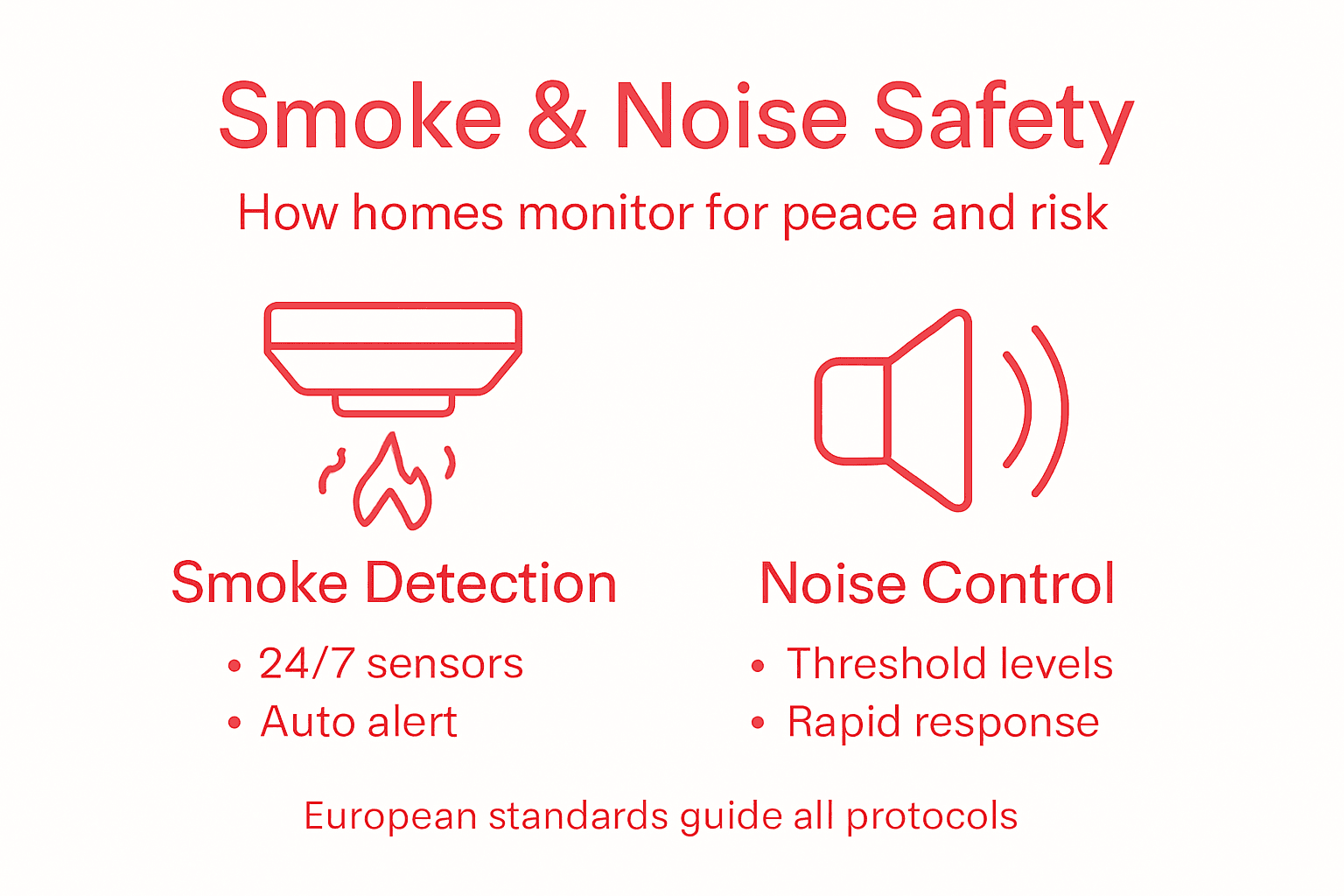
Preventive monitoring transcends traditional security—it’s about creating intelligent, responsive living environments. By integrating sophisticated sensors that analyse environmental data in real-time, managed homes transform potential risks into manageable, predictable interactions. Each sensor becomes a silent guardian, ensuring safety without intrusion, comfort without compromise.
Pro tip: Configure sensor sensitivity thresholds to balance comprehensive monitoring with respect for normal residential activities.
Neighbour Protection and Early Risk Intervention
Integrated neighbourhood protection strategies represent a sophisticated approach to maintaining community harmony and preventing potential disruptions in managed residential environments. These proactive frameworks go beyond traditional security measures, focusing on early intervention, communication, and collaborative risk management to ensure the well-being of all residents and surrounding community members.
The comprehensive neighbour protection approach encompasses several critical intervention strategies:
- Noise Level Monitoring: Preventing excessive sound disturbances
- Early Warning Communication: Rapid notification systems
- Behavioural Risk Assessment: Identifying potential disruptive patterns
- Multi-Agency Collaboration: Coordinating with local authorities
- Preventative Mediation: Addressing potential conflicts proactively
Anti-social behaviour management emphasizes the importance of swift, coordinated responses to potential community disruptions. By establishing clear protocols for early intervention, managed homes create a supportive ecosystem that addresses potential issues before they escalate, protecting both individual residents and the broader community environment.
Neighbour protection is fundamentally about creating a culture of mutual respect and proactive care. The most effective strategies transform potential conflicts into opportunities for community building, using intelligent monitoring and communication systems that prioritize understanding, prevention, and collaborative problem-solving.
Pro tip: Develop a graduated intervention protocol that allows for proportional responses to different levels of potential neighbourhood disruption.
Elevate Safety and Peace of Mind with Guestly Homes
The article highlights the critical challenge of maintaining proactive, intelligent safety protocols in managed homes to protect residents and properties. From real-time monitoring to guest identity verification and noise control, these elements are essential to reduce risks and foster trust. At Guestly Homes, we understand these pain points deeply. Our fully managed premium homes integrate seamless safety measures while delivering hotel-grade consistency tailored for professionals and executives who value stillness and security.
Experience how our comprehensive approach covers everything from rigorous identity checks and detailed property condition documentation to 24/7 proactive support that anticipates issues before they arise. We transform complex safety demands into hassle-free living, allowing property owners to enjoy long-term profitability with minimal involvement. Discover how we combine technology, thoughtful service, and quiet excellence to create safe, calm homes across Sweden and the Nordics.
Enhance your managed property’s safety standards and guest satisfaction today with Guestly Homes.
Explore our premium managed homes and learn how we deliver frictionless property performance alongside peace of mind by visiting Guestly Homes. Whether you are a property owner seeking trusted management or a professional needing a secure, supportive stay, let us show you how safety and care come standard.
Questions fréquemment posées
What are the key components of safety protocols in managed homes?
The key components include identity verification, access control, real-time monitoring, incident response, and preventative risk assessment.
How does technology enhance safety protocols in managed homes?
Technology enhances safety protocols by providing real-time monitoring with smart sensors, enabling instantaneous detection of potential risks, and integrating advanced systems for proactive incident response.
What measures are involved in the guest identity verification process?
The guest identity verification process typically involves document authentication, digital cross-referencing of information, biometric validation, legal compliance checks, and real-time background screening.
What benefits does photographic documentation provide in managed homes?
Photographic documentation provides clear evidence for disputes, helps track maintenance, ensures accountability, streamlines issue resolution, and enhances trust between property owners and guests.
Recommandé
- 7 Key Steps for Preventative Maintenance Inspection Apartment – Guestly Homes
- 7 éléments essentiels pour une liste de contrôle de l'entretien de la gestion immobilière - Guestly Homes
- 7 étapes clés pour la liste de contrôle de l'entretien de votre propriété locative - Guestly Homes
- 6 Essential Steps for an Effective House Maintenance Schedule – Guestly Homes
- Focused on Safety | Peak Planet