


Balancing the opportunity for stable income with the realities of hands-off management is a challenge facing many property owners in Piteå, Luleå, Boden, and Nyköping. Renting out your premium property means embracing income-generating investment and understanding the risks involved, from legal compliance to tenant turnover. This guide helps you weigh the benefits and drawbacks of different rental models, so you can make informed decisions while protecting your personal and financial interests.
Table des matières
- What Renting Out Your Property Means
- Comparing Rental Models And Approaches
- Risks Of Self-Managing Short-Term Lets
- Using Professional Operators: Reduced Risks, Better Performance
- Long-Term Rentals Versus Flexible Models
- Choosing The Right Approach For Your Needs
Principaux enseignements
| Point | Détails |
|---|---|
| Understanding Rental Dynamics | Renting out property transforms it into a business asset requiring strategic management and legal compliance. |
| Evaluating Rental Models | Each rental model offers unique financial potentials and operational demands; select one that aligns with your investment goals. |
| Professional Management Benefits | Employing professional property managers can reduce risks and enhance operational efficiency, making rentals more predictable. |
| Strategic Decision-Making | Tailor your rental strategy to your financial objectives and local market conditions, remaining adaptable to changing circumstances. |
What Renting Out Your Property Means
Renting out your property involves more than simply finding someone to occupy your space. It represents a complex financial and legal arrangement with significant implications for property owners. When you choose to rent out your property, you’re essentially transforming a personal asset into an income-generating investment that requires strategic management and comprehensive understanding.
At its core, rental property management involves several key responsibilities:
- Providing a habitable living space for tenants
- Collecting regular rental income
- Maintaining the property’s physical condition
- Ensuring legal compliance with local housing regulations
- Managing tenant relationships and potential conflicts
The decision to rent out a property carries both opportunities and challenges. Property owners must navigate a nuanced landscape that balances financial potential with operational complexity. Unlike simply selling or personally occupying a property, rental arrangements create a dynamic relationship between landlord and tenant that requires ongoing attention and professional approach.
Financial considerations play a crucial role in property rental decisions. Rental income can provide a steady revenue stream, offsetting mortgage costs and potentially generating profit. However, this income is not without associated expenses. Owners must budget for:
- Entretien et réparations réguliers
- Potential vacancy periods
- Property management fees
- Insurance and legal compliance costs
- Potential tax implications
Property rental transforms a residential space from a personal asset into a professional investment vehicle. This transition requires property owners to adopt a business-like mindset, treating the property as an economic resource rather than merely a personal possession.
Pro tip: Before renting out your property, conduct a comprehensive financial and legal assessment to understand the full spectrum of responsibilities and potential returns.
Comparing Rental Models and Approaches
Rental models represent a complex ecosystem of property management strategies, each with distinct characteristics and potential outcomes. European rental markets demonstrate significant variation in approach, reflecting local economic conditions and regulatory frameworks that dramatically influence investment potential.
Three primary rental models dominate the contemporary property landscape:
- Short-term Rentals: Characterised by high flexibility and potentially higher revenue
- Long-term Rentals: Offering stable, predictable income streams
- Hybrid Rental Approaches: Combining elements of both short and long-term strategies
Each model presents unique advantages and challenges. Short-term rentals, popularised by platforms like Airbnb, provide property owners with opportunities for dynamic pricing and potentially higher returns. However, they also introduce greater operational complexity, requiring more hands-on management and consistent marketing efforts.
Long-term rentals, by contrast, deliver more consistent financial performance. Rental market dynamics reveal that these arrangements typically offer:
- Predictable monthly income
- Diminution de la rotation des locataires
- Reduced marketing and administrative costs
- More stable occupancy rates
- Simpler legal and tax management
Hybrid rental models emerge as sophisticated strategies for property owners seeking balanced approaches. These models might involve alternating between short and long-term rentals based on seasonal demand, market conditions, and personal preferences.
Here’s a comparison of the main rental models and their typical business impacts:
| Rental Model | Potentiel de recettes | Operational Demand | Legal Complexity |
|---|---|---|---|
| Location à court terme | Highest, but variable | Very hands-on management | Often intricate |
| Location à long terme | Stable, moderate | Low ongoing involvement | Generally simpler |
| Hybrid Approach | Balanced, adaptable | Moderately complex | Varies by season |
Professional management can significantly mitigate risks associated with different rental approaches, providing structured oversight and strategic decision-making.
Property investment requires careful consideration of these models, understanding that no single approach suits every property or owner. The optimal strategy depends on location, property type, local regulations, and individual financial goals.
Pro tip: Conduct thorough market research and consult local property management experts before selecting your preferred rental model to maximise potential returns and minimise operational risks.
Risks of Self-Managing Short-Term Lets
Self-managing short-term lets presents a complex landscape of operational challenges and potential pitfalls for property owners. Short-term rental regulations have become increasingly sophisticated, demanding meticulous attention to legal and administrative requirements that can overwhelm unprepared hosts.
The primary risks associated with self-management include:
- Complex legal compliance requirements
- Flux de revenus imprévisibles
- Significant time investment for daily operations
- Higher potential for property damage
- Increased personal liability exposure
Financial volatility represents a critical concern for self-managed short-term rentals. Unlike long-term leases with predictable monthly income, short-term lets experience dramatic fluctuations based on seasonal demand, local events, and market conditions. Property owners must develop sophisticated pricing strategies and maintain extensive availability calendars to maximise occupancy rates.
Local housing policy reveals multiple administrative challenges that self-managers encounter:
- Navigating intricate local regulatory frameworks
- Managing complex tax reporting obligations
- Maintaining consistent property standards
- Handling rapid tenant turnover
- Responding to potential community complaints
Operational complexity extends beyond mere booking management. Successful short-term let hosting requires professional-grade cleaning services, consistent maintenance, 24/7 guest communication, and robust systems for screening potential tenants.
Professional management can transform seemingly overwhelming challenges into structured, predictable business operations.
Property hosting demands a comprehensive approach that balances financial objectives with legal compliance and community considerations. The hidden costs of self-management often exceed initial expectations, consuming significant personal time and emotional energy.

Pro tip: Create a detailed operational manual and contingency plan before launching your short-term rental to anticipate and mitigate potential risks proactively.
Using Professional Operators: Reduced Risks, Better Performance
Professional property management represents a strategic approach to mitigating risks and maximising rental performance. Rental market professionals bring sophisticated expertise that transforms property management from a challenging endeavour into a predictable, efficient business model.
The key advantages of professional operators include:
- Advanced risk management strategies
- Comprehensive legal compliance systems
- Sophisticated pricing and revenue optimisation
- Professional maintenance and property care
- Extensive tenant screening processes
Financial performance improves dramatically when expert management is applied. Professional operators leverage deep market insights, utilising data-driven approaches to pricing, occupancy management, and strategic positioning that individual owners typically cannot replicate.
Climate risk management demonstrates another critical advantage of professional operators. These experts can:
- Implement sustainability measures
- Assess long-term property risks
- Adapt to regulatory changes
- Protect property value
- Ensure ongoing compliance
Operational expertise extends beyond mere administrative management. Professional operators bring technological sophistication, including advanced booking systems, dynamic pricing algorithms, and comprehensive performance monitoring tools that individual owners rarely access.
Professional management transforms property rental from a potential liability into a strategic, predictable investment vehicle.
Property performance requires more than intuition. It demands systematic approach, continuous learning, and proactive risk management that professional operators inherently provide, creating value far beyond basic rental income.
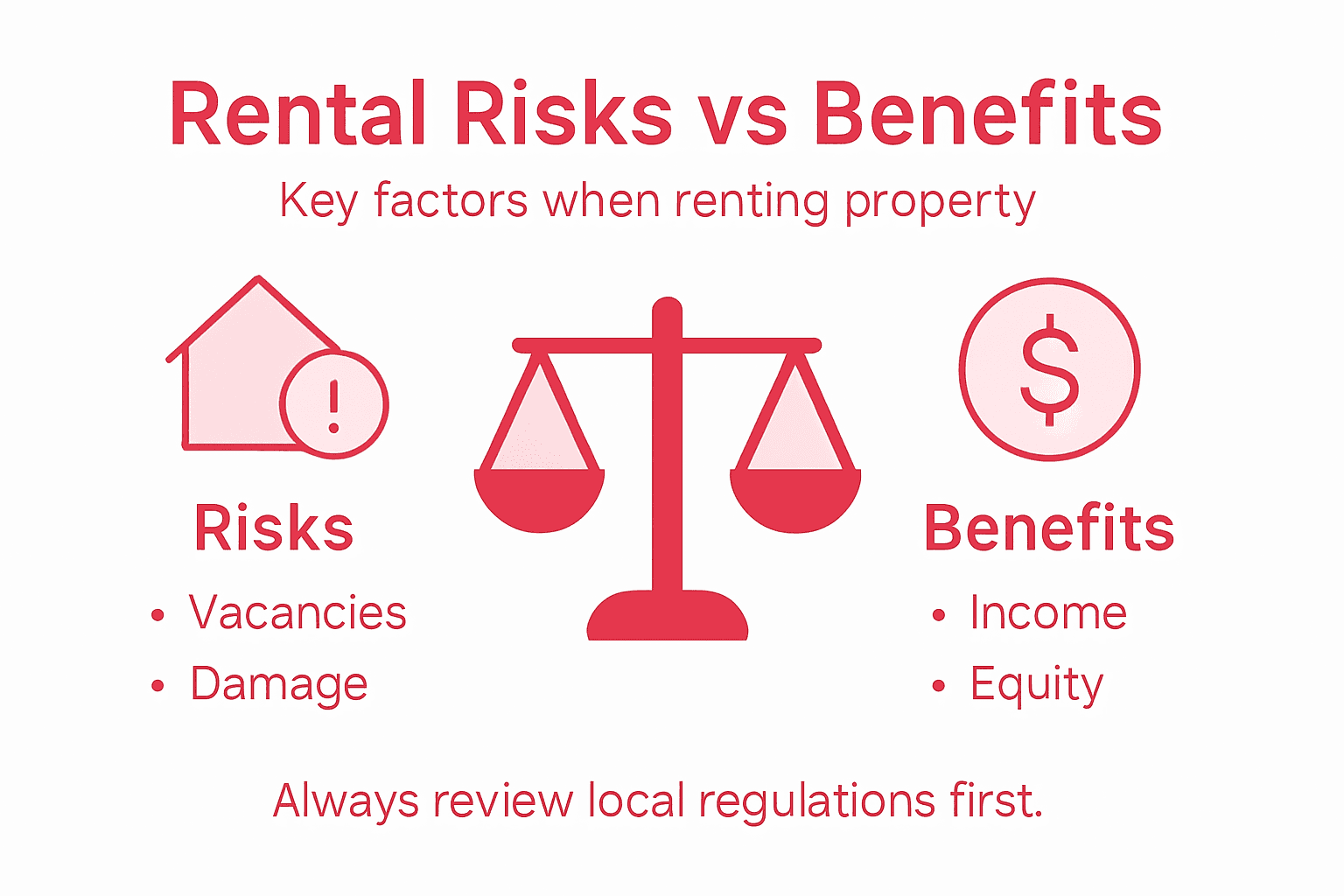
Assessing self-management versus professional operation for property rentals:
| Aspect | Self-Management | Professional Operator |
|---|---|---|
| Time Commitment | Extensive, daily | Minimal, outsourced |
| Risk Exposure | Direct liability | Reduced, managed |
| Maintenance Quality | Inconsistent, owner | Consistent, expert led |
| Market Positioning | Limited insight | Strategic adjustments |
Pro tip: Request detailed performance reporting and risk assessment frameworks from potential professional operators to understand their precise value proposition.
Long-Term Rentals Versus Flexible Models
Property rental strategies represent a complex landscape of competing priorities, balancing financial stability with operational flexibility. Flexible housing models challenge traditional approaches by introducing adaptability into rental arrangements.
Key differences between long-term and flexible rental models include:
- Income predictability
- Tenant commitment levels
- Administrative complexity
- Risk management requirements
- Legal and regulatory frameworks
Long-term rentals traditionally offer substantial advantages for property owners seeking consistent income and reduced operational overhead. These arrangements provide stable monthly revenue, minimise vacancy periods, and require less frequent tenant screening and property preparation.
European rental market research highlights the nuanced trade-offs between rental models:
- Long-term rentals ensure housing security
- Flexible models generate higher potential income
- Regulatory environments differ by jurisdiction
- Social housing goals impact policy decisions
- Market dynamics continuously evolve
Rental model selection demands careful consideration of individual property characteristics, local market conditions, and personal investment objectives. Flexible approaches offer dynamism but require more sophisticated management, while long-term models prioritise stability and predictability.
Successful property investors understand that no single rental strategy suits every scenario.
Property investment transcends simple income generation, requiring strategic alignment between rental approach and broader financial goals. The most effective models balance risk mitigation with performance potential.
Pro tip: Conduct comprehensive market research and assess your personal risk tolerance before selecting between long-term and flexible rental strategies.
Choosing the Right Approach for Your Needs
Property rental decisions demand a strategic, nuanced approach that aligns personal goals with market realities. Adequate housing principles emphasise the critical importance of selecting a rental model that balances financial objectives with broader societal considerations.
Key factors to consider when selecting your rental approach include:
- Personal financial goals
- Property location and market dynamics
- Tolérance au risque
- Time availability for management
- Environnement réglementaire local
Each property owner’s circumstances are unique, requiring a carefully tailored strategy. Some investors prioritise steady, predictable income, while others seek more dynamic revenue potential through flexible rental models.
Economic rental market analysis suggests evaluating rental approaches through multiple lenses:
- Income stability requirements
- Personal time commitment capacity
- Local market demand characteristics
- Potential regulatory constraints
- Long-term investment objectives
Rental strategy selection is not a one-size-fits-all proposition. Successful property investors conduct thorough market research, understand their personal risk profile, and remain adaptable to changing economic conditions.
The most effective rental approach evolves with your personal and financial circumstances.
Property investment requires ongoing assessment and willingness to adjust strategies as market conditions and personal goals shift. Maintaining flexibility while pursuing clear objectives is key to sustainable success.
Pro tip: Develop a comprehensive property investment strategy that includes regular market reviews and the ability to pivot between rental models as needed.
Manage Rental Risks with Confidence and Expert Support
Renting out property brings clear benefits but also complex challenges like legal compliance, operational demands, and fluctuating income. If you want to avoid the pitfalls of self-managing short-term lets or cumbersome long-term rentals, finding the right partner is crucial. Whether you seek a stable revenue stream or a performance-driven partnership, Guestly Homes offers fully managed, premium solutions designed to minimise risk and maximise returns for property owners.
- Enjoy hands-off management with trusted professionalism
- Choose between our flexible Revenue Share Model or predictable Arbitrage Model tailored to your goals
- Benefit from seamless property activation and high standards that ensure long-term profitability
Take control of your property investment with confidence today. Discover how Guestly Homes turns your rental into a premium asset without the usual headaches at Guestly Homes. Start your hassle-free management journey now.
Questions fréquemment posées
What are the main responsibilities of renting out a property?
Renting out a property involves providing a habitable living space, collecting rental income, maintaining the property’s condition, ensuring legal compliance, and managing tenant relationships.
What are the financial considerations when renting out a property?
Property owners must budget for maintenance and repairs, potential vacancy periods, management fees, insurance costs, and tax implications when renting out a property.
What are the risks of self-managing short-term rentals?
Self-managing short-term rentals can expose owners to complex legal compliance issues, unpredictable income streams, significant time investment, potential property damage, and increased personal liability.
How can professional property management benefit landlords?
Professional property management helps mitigate risks and improve performance through advanced risk management strategies, legal compliance, pricing optimisation, expert maintenance, and thorough tenant screening.
Recommandé
- Comment louer ma maison : guide pratique pour les propriétaires – Guestly Homes
- 7 avantages des appartements avec services pour les propriétaires - Guestly Homes
- Real Estate vs Property Management: What Owners Need to Know – Guestly Homes
- What Is a Good Return on Rental Property Income – Guestly Homes
- App for Real Estate | 3D Cityplanner