
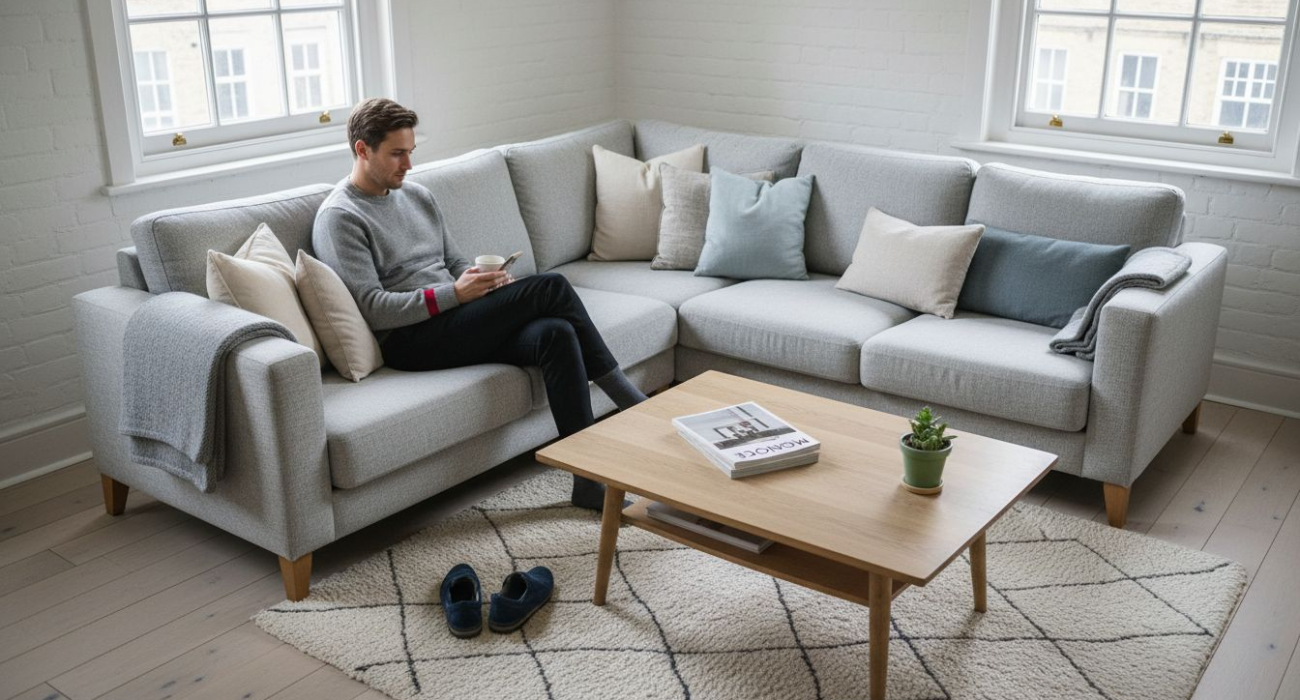

Finding the right accommodation for visiting teams can make or break a successful assignment in Sweden. When work brings you to places like Piteå, Luleå, Boden, or Nyköping, standard hotels rarely meet the needs of professionals seeking more than just a place to sleep. A truly home-like accommodation provides comfort, privacy, and the sense of normalcy teams need to stay productive and settled. Discover how a focus on ordinary housing and genuine daily comfort sets Swedish home-like accommodation apart for extended business stays.
Sisällysluettelo
- Defining Home-Like Accommodation In Sweden
- Core Elements For Comfortable Long Stays
- Benefits For Guests, Bookers And Owners
- Comparing Managed Homes And Alternatives
- Choosing The Right Home-Like Solution
Keskeiset asiat
| Kohta | Yksityiskohdat |
|---|---|
| Home-like accommodation focuses on functionality and comfort | In Sweden, accommodation is designed not just for shelter but to enhance the human experience through privacy and community integration. |
| Key elements for long stays include essential amenities | A holistic approach to design incorporates kitchens, workspaces, and connectivity to support personal and professional needs. |
| Benefits cater to guests, bookers, and owners alike | Managed accommodations provide consistent quality and stability, allowing all stakeholders to enjoy a seamless living experience. |
| Choosing the right accommodation entails comprehensive evaluation | Professionals should assess personal needs alongside workspace requirements to ensure a supportive living environment. |
Defining home-like accommodation in Sweden
Home-like accommodation in Sweden represents far more than a simple place to sleep. It’s a carefully designed living environment that prioritises functionality, comfort, and seamless integration into daily life. In the Swedish context, this approach goes beyond traditional temporary housing models, focusing instead on creating spaces that genuinely support human experience.
The Swedish approach to home-like accommodation is deeply rooted in principles of social integration and personal wellbeing. Asylum housing models demonstrate this philosophy, where accommodations are strategically located in normal residential areas. These spaces are intentionally designed to mirror ordinary living environments, emphasising privacy, community connection, and individual dignity.
Key characteristics of home-like accommodation in Sweden include:
- Private living spaces with personal room configurations
- Shared communal areas that encourage social interaction
- Integration within standard residential neighbourhoods
- Adaptable environments supporting diverse lifestyle needs
- High-quality, functional furnishings and equipment
Swedish temporary housing models distinguish themselves through a holistic approach that treats accommodation not merely as shelter, but as a supportive ecosystem for human experience. This means creating spaces that adapt to individual needs, provide psychological comfort, and facilitate smooth daily routines.
Genuine home-like accommodation transcends physical space—it’s about creating an environment that supports personal autonomy and emotional wellbeing.
Professional management plays a crucial role in maintaining these high standards. Organisations like the Swedish Migration Agency carefully curate accommodation experiences, ensuring that even temporary housing feels dignified, functional, and genuinely liveable.
Pro tip: When selecting home-like accommodation, prioritise spaces that offer flexibility, privacy, and a sense of normalcy in your daily routine.
Core elements for comfortable long stays
Comfortable long stays demand more than just a place to rest—they require a holistic living environment that supports daily routines, personal productivity, and emotional wellbeing. Understanding the core elements that transform temporary accommodation into a genuine home is crucial for professionals spending extended periods away from their primary residence.
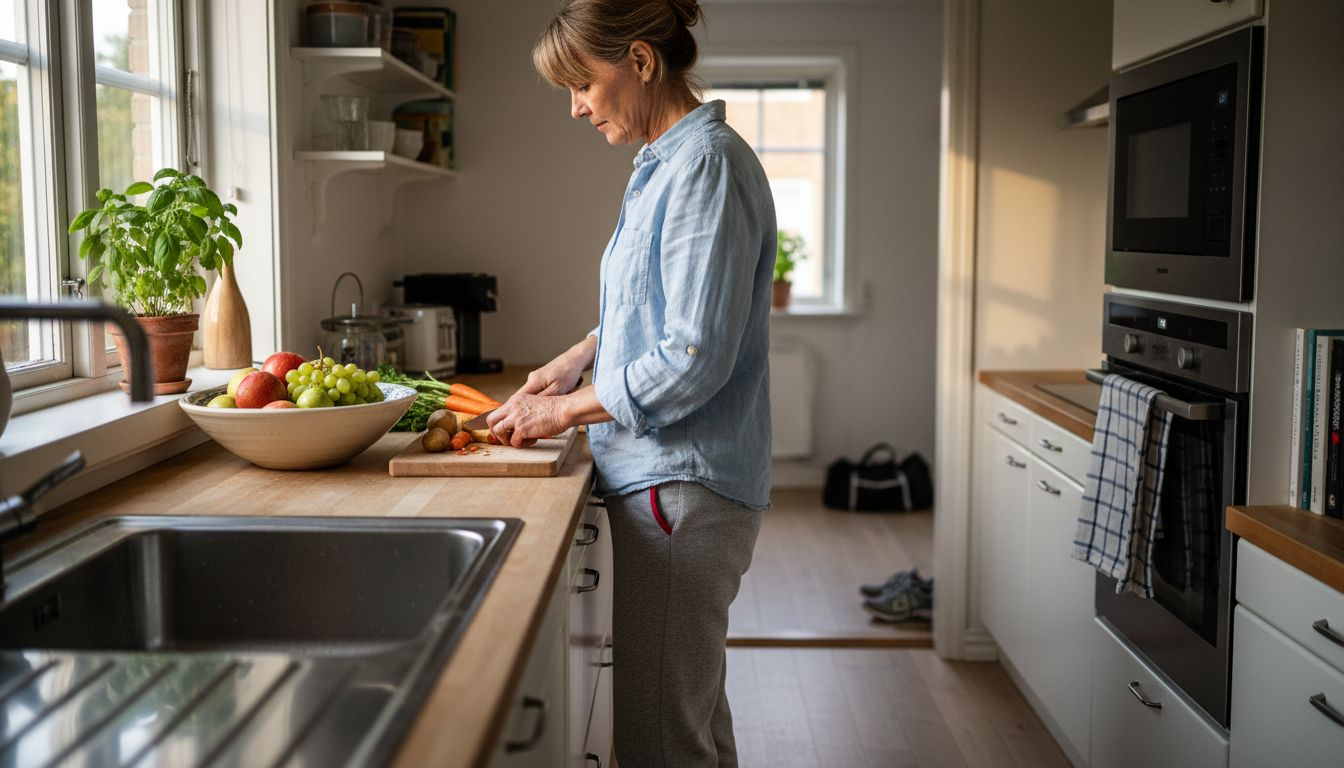
Residential satisfaction research highlights critical predictors of comfort during extended stays, emphasising the importance of functional design and thoughtful amenities. In the context of professional housing, these elements go beyond mere aesthetic considerations, focusing instead on creating spaces that genuinely support individual lifestyle needs.
Key components of comfortable long-stay accommodations include:
- Fully equipped kitchen facilities for preparing personal meals
- Nopea ja luotettava internet-yhteys
- Oma työtila, jossa on ergonomiset kalusteet
- Laundry facilities or in-unit washing machine
- Comfortable, supportive sleeping arrangements
- Temperature control and personalisation options
The psychological impact of these elements cannot be overstated. A well-designed living space can significantly reduce stress, enhance productivity, and provide a sense of stability during professional transitions. This means creating environments that feel less like temporary lodging and more like a personalised living space.
Comfort in long-stay accommodation is not about luxury, but about creating an environment that adapts to individual needs and supports daily functionality.
Professional accommodation providers increasingly recognise that successful long-term stays depend on understanding and anticipating guest requirements. This involves offering flexible spaces that can be personalised, providing intuitive technology solutions, and maintaining high standards of cleanliness and maintenance.
Pro tip: When selecting long-stay accommodation, prioritise spaces that offer both functional design and the flexibility to make the environment feel truly personal.
Benefits for guests, bookers and owners
Home-like accommodation represents a strategic solution that simultaneously addresses the unique needs of guests, bookers, and property owners. By creating multi-dimensional value, these professionally managed spaces transform traditional housing models into adaptive, efficient living environments that benefit every stakeholder involved.
For guests, home-like accommodations offer far more than temporary shelter. Property management strategies demonstrate how thoughtfully designed spaces can dramatically improve professional experiences. These environments provide psychological stability, enabling individuals to maintain productivity, personal routines, and emotional wellbeing during extended stays.
Key benefits for different stakeholders include:
For Guests:
- Consistent living standards
- Personalised comfort
- Reduced relocation stress
- Support for professional performance
- Preservation of personal routine
For Bookers:
- Simplified accommodation management
- Predictable housing quality
- Reduced administrative overhead
- Centralised booking and support
- Consistent experience across locations
For Property Owners:
- Stable, professional rental income
- Minimal property management involvement
- Professional maintenance
- Reduced wear and tear
- Long-term asset protection
The interconnected nature of these benefits creates a sophisticated ecosystem where each stakeholder’s needs are systematically addressed. Professional accommodation providers act as critical intermediaries, transforming potential friction points into seamless, mutually beneficial experiences.
Here is a quick overview of how different stakeholders benefit from professionally managed home-like accommodation:
| Sidosryhmä | Key Advantage | Long-Term Impact |
|---|---|---|
| Guest | Personalised experience | Higher wellbeing and productivity |
| Corporate Booker | Streamlined processes | Easier relocation logistics |
| Property Owner | Reliable occupancy | Enhanced property value |
Effective home-like accommodation is not about providing a space, but about creating an integrated living solution that respects and supports individual requirements.
Understanding these multifaceted advantages allows organisations and individuals to move beyond transactional housing models towards more holistic, human-centric approaches. Professional management becomes the key differentiator, ensuring consistent quality and adaptability across different contexts and requirements.
Pro tip: Prioritise accommodation providers who demonstrate a comprehensive understanding of stakeholder needs, not just basic housing logistics.
Comparing managed homes and alternatives
Choosing accommodation extends far beyond finding a place to sleep—it involves understanding nuanced differences between housing models that dramatically impact living experience, comfort, and functionality. Professional managed homes represent a sophisticated alternative to traditional housing options, offering a unique blend of independence, support, and personalised service.
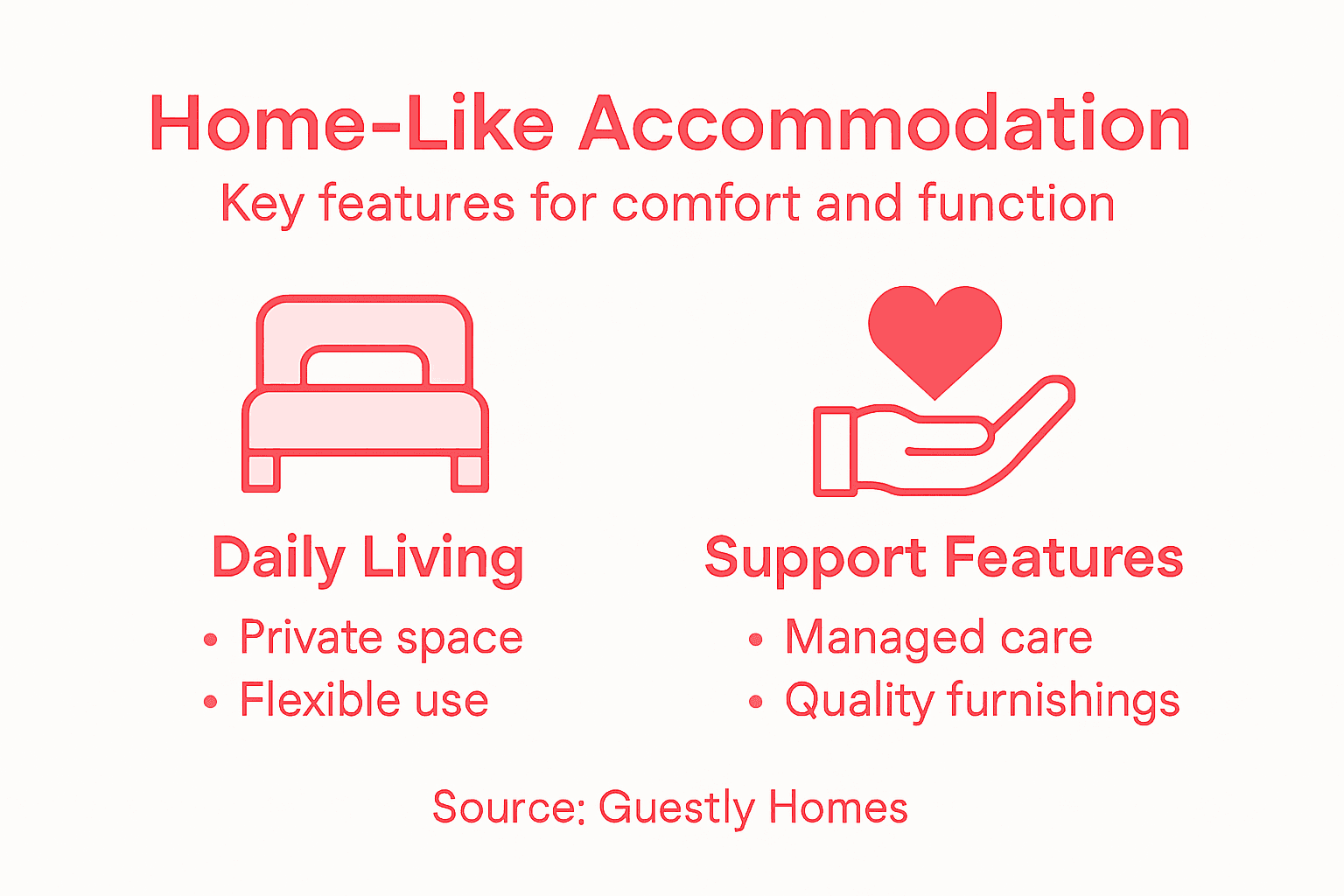
Alternative accommodation types reveal significant variations in living arrangements, from institutional settings to independent housing solutions. Managed homes distinguish themselves by providing a delicate balance between structured support and personal autonomy, addressing shortcomings found in more traditional accommodation models.
Key differences between managed homes and alternatives include:
Institutional Alternatives:
- Limited personal space
- Shared communal facilities
- Minimal privacy
- Standardised, inflexible environments
- Less personalisation options
Managed Home Characteristics:
- Private, self-contained living spaces
- Flexible, adaptable environments
- Ammattimainen ylläpitotuki
- Personalised service offerings
- Yhdenmukaiset laatuvaatimukset
The critical distinction lies in the approach to accommodation. Traditional alternatives often treat housing as a transactional service, whereas managed homes view living spaces as dynamic ecosystems designed to support individual lifestyle requirements. This fundamental philosophical shift transforms mere shelter into a comprehensive living solution.
The following table contrasts key aspects of managed homes with institutional alternatives to clarify their impact on residents:
| Aspect | Managed Homes | Institutional Alternatives |
|---|---|---|
| Yksityisyys | High (private units) | Low (shared facilities) |
| Joustavuus | Customisable spaces | Rigid, standard layouts |
| Autonomia | Strong self-direction | Limited personal control |
| Maintenance Response | Prompt, professional | Often slow or basic support |
Managed homes are not just about providing a space, but creating an environment that adapts, supports, and enhances personal and professional experiences.
Professional management introduces a layer of sophistication that traditional housing models struggle to replicate. Strategic living solutions go beyond physical infrastructure, incorporating technology, maintenance, and personalised support to create truly responsive living environments.
Pro tip: Evaluate accommodation options not just by cost, but by their ability to support your specific lifestyle and professional requirements.
Choosing the right home-like solution
Selecting the ideal home-like accommodation requires a strategic approach that goes beyond superficial considerations of price and location. Professionals seeking extended-stay solutions must carefully evaluate multiple dimensions of their potential living environment to ensure it genuinely supports their lifestyle and professional objectives.
Executive housing strategies reveal that successful accommodation selection involves understanding individual requirements and matching them with specific property characteristics. The most effective approach involves a comprehensive assessment of personal needs, work demands, and lifestyle preferences.
Key evaluation criteria for selecting home-like accommodation include:
Personal Lifestyle Considerations:
- Work schedule and flexibility requirements
- Personal wellness and relaxation needs
- Typical daily routine patterns
- Physical fitness and exercise preferences
- Social interaction requirements
Professional Performance Factors:
- Työpaikan läheisyys
- Työtilan ja internet-yhteyksien laatu
- Noise levels and concentration potential
- Storage and equipment requirements
- Ability to host professional meetings
The selection process is fundamentally about creating a living environment that seamlessly integrates personal comfort with professional effectiveness. Holistic assessment means looking beyond basic amenities to understand how each space can actively contribute to individual performance and wellbeing.
Choosing the right accommodation is not about finding a perfect space, but discovering an environment that adapts to and enhances your unique lifestyle.
Successful home-like solutions require a nuanced understanding of personal dynamics. Professional managed homes offer the most flexible approach, providing customisable environments that can be tailored to specific individual requirements.
Pro tip: Create a detailed personal requirements checklist before searching for accommodation, prioritising functionality and adaptability over aesthetic preferences.
Experience True Home-Like Accommodation with Guestly Homes
The article highlights the importance of functional, private, and adaptable living environments that go beyond mere shelter to support wellbeing and professional performance. At Guestly Homes, we understand these core needs, offering fully managed homes in Sweden designed precisely to provide a seamless, home-like experience with hotel-grade consistency. Whether you are a professional seeking a calming space to focus or a property owner looking for a trusted management partner, we deliver tailored solutions that prioritise privacy, flexibility, and thoughtful design.
Key benefits of choosing Guestly Homes include:
- Private and fully equipped living spaces that support long stays
- Professional management ensuring maintenance and support
- Locations integrated within residential areas for a genuine home feel
- Reliability and predictability appreciated by bookers and owners alike
Discover how our managed homes transform accommodation into a supportive living solution. Whether you require streamlined booking for your team or a peaceful retreat that helps you perform, explore the possibilities with Guestly’s premium services.
Ready to choose accommodation that truly functions as a home?
Find your ideal stay at Guestly Homes today.
Usein kysytyt kysymykset
What is home-like accommodation?
Home-like accommodation refers to living spaces designed to offer comfort, functionality, and support for daily routines, resembling a typical home rather than mere temporary housing.
Why is functionality important in home-like accommodation?
Functionality is crucial as it enhances comfort and personal autonomy, allowing guests to maintain their daily routines and emotional wellbeing during their stay.
How can I ensure my accommodation meets my personal needs?
To ensure your accommodation meets your needs, evaluate factors such as workspace quality, kitchen facilities, privacy, and the flexibility of the living environment based on your lifestyle and work requirements.
What are the benefits of professional management in home-like accommodation?
Professional management ensures consistent quality, prompt maintenance, and tailored services, transforming living spaces into responsive ecosystems that support both personal and professional needs.
Suositeltu
- Home Away From Home – Why Predictability Matters Most – Guestly Homes
- Taloasunnot vs. perinteiset asunnot: Kumpi on parempi vuonna 2025? - Guestly Homes
- What is Serviced Accommodation? Understanding the Concept – Guestly Homes
- Difference Between Hotel and Apartment: Full Guide – Guestly Homes
- How to Enhance Restaurant Ambience with Leather Decor – LEATHERA
- Understanding Window Treatments for Apartments