
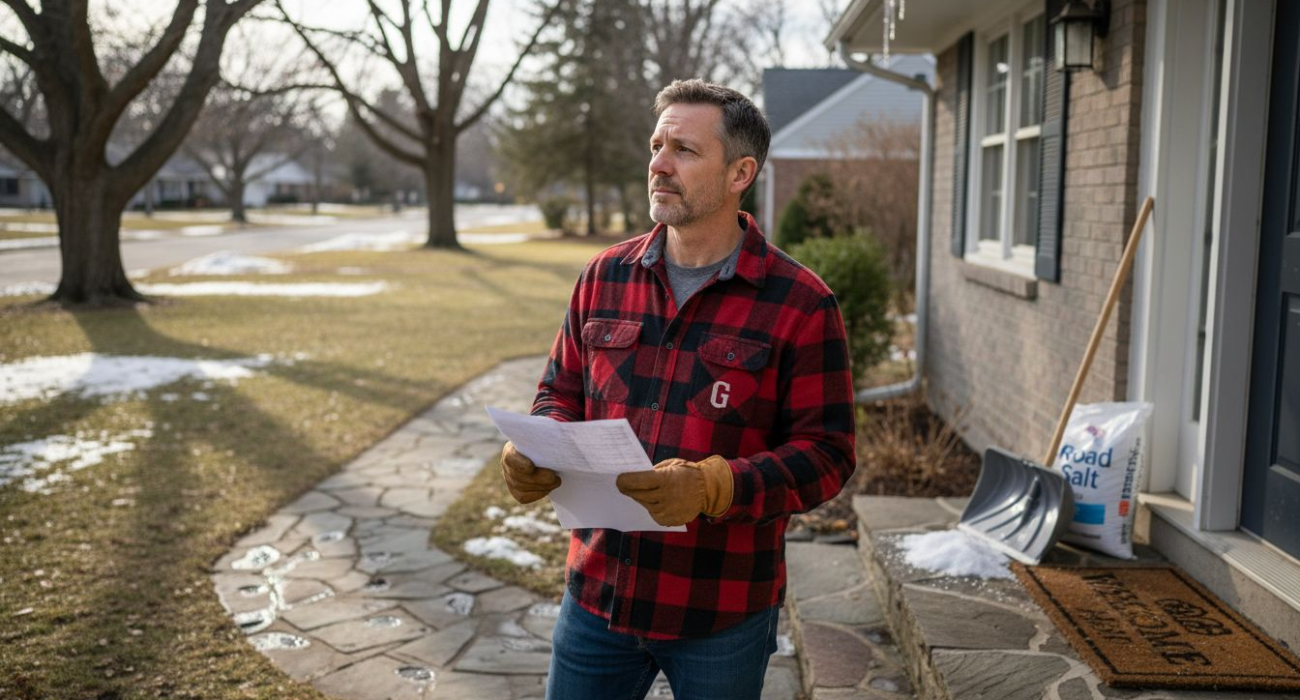

Over 40 percent of property damage reported in Swedish winter stems from overlooked household safety basics, putting british and international teams at higher risk when relocating for extended work. For HR managers and project coordinators in tech, consistently comfortable and secure accommodations in Piteå, Luleå, Boden, and Nyköping are not just about convenience. This guide highlights easy strategies to keep work housing warm, safe, and efficient all season, helping you avoid costly disruptions while providing a reliable environment for your staff.
Innholdsfortegnelse
- Set and Monitor Safe Heating Levels
- Check Insulation and Control Drafts
- Protect Pipes and Manage Water Systems
- Ensure Proper Ventilation in All Rooms
- Maintain Snow and Ice Safety Outdoors
- Secure Lighting and Exterior Access
- Keep Emergency Contacts and Support Ready
Rask oppsummering
| Takeaway | Forklaring |
|---|---|
| 1. Maintain Safe Heating Levels | Keep indoor temperatures between 18 to 21 degrees Celsius for comfort and efficiency. Use a smart thermostat for optimal control and energy savings. |
| 2. Check and Improve Insulation | Ensure your home is well-insulated to prevent heat loss by sealing drafts and improving barrier materials. This can significantly reduce energy costs. |
| 3. Protect Water Pipes | Insulate exposed pipes and keep indoor temperatures above 12 degrees Celsius to prevent freezing and bursting in cold weather conditions. |
| 4. Ensure Proper Ventilation | Implement short, efficient ventilation sessions to maintain indoor air quality without losing too much heat. Aim for humidity levels between 40 and 60 percent. |
| 5. Prepare Emergency Contacts | Organise a list of emergency contacts including repair services and local support networks. Store these conveniently for quick access during winter emergencies. |
1. Set and Monitor Safe Heating Levels
Managing your home’s heating system effectively is crucial for maintaining comfort, safety, and energy efficiency during winter months. Proper temperature control not only protects your property from potential cold weather damage but also helps control heating expenses.
According to World Health Organization Europe guidelines, maintaining consistent and safe indoor temperatures is essential for protecting vulnerable residents and preventing health risks associated with extreme temperatures. The recommended indoor temperature range typically falls between 18 to 21 degrees Celsius, which balances comfort and energy conservation.
To implement effective heating management, invest in a programmable or smart thermostat that allows precise temperature control. These devices enable you to set different temperatures for various times of day, automatically reducing heat when you are asleep or away from home. Some advanced models can learn your heating preferences and optimise energy consumption accordingly.
Key strategies for safe heating include:
Monitoring Temperature Zones
- Living areas: Maintain 20 to 21 degrees Celsius
- Bedrooms: Lower to 16 to 18 degrees Celsius for optimal sleeping conditions
- Unused rooms: Reduce heating to prevent unnecessary energy expenditure
Energy Efficiency Tips
- Seal drafts around windows and doors
- Use thermal curtains to retain heat
- Regularly service your heating system for peak performance
Pro tip: Consider installing a digital thermometer in different rooms to track temperature variations and identify potential heat loss areas.
2. Check Insulation and Control Drafts
Ensuring your home is properly insulated and draft-free is crucial for maintaining warmth, reducing energy consumption, and protecting your property during winter months. Effective insulation acts as a protective barrier against cold temperatures and helps minimise heat loss.
Buildings Performance Institute Europe reports that comprehensive insulation strategies can significantly reduce energy expenditure and improve home comfort. Identifying and addressing drafts is a key component of winterising your property.
Comprehensive Draft Detection Techniques
- Conduct a visual inspection of windows and doors
- Use smoke from an incense stick to detect air movement
- Check for gaps around window frames, electrical outlets, and baseboards
- Inspect attic and basement areas for potential air leakage points
Insulation Improvement Strategies
- Apply weatherstripping around window and door frames
- Install door sweeps to block bottom edge drafts
- Use foam sealants for small gaps and cracks
- Consider adding thermal curtains for additional insulation
Specific Areas to Examine
- Window seals
- External wall junctions
- Chimney and fireplace openings
- Electrical and plumbing entry points
Professional energy audits can provide detailed insights into your home’s specific insulation needs. These assessments help identify hidden drafts and recommend targeted improvements that can reduce heat loss by up to 30 percent.
Pro tip: Invest in a thermal imaging camera or infrared thermometer to quickly identify cold spots and invisible draft sources in your home.
3. Protect Pipes and Manage Water Systems
Winter temperatures can wreak havoc on home water infrastructure, potentially causing costly and disruptive pipe damage. Proactive protection of your water systems is essential for preventing freezing, bursting, and subsequent property destruction.
WaterOperator.org guide highlights the critical importance of comprehensive winterisation strategies for residential water infrastructure. Understanding how cold affects different parts of your water system is the first step in preventing potential disasters.
Key Pipe Protection Strategies
- Insulate exposed pipes in unheated areas
- Seal gaps and openings around pipe entry points
- Maintain consistent indoor temperatures
- Disconnect and drain outdoor water hoses
Vulnerable Areas to Prioritise
- Basement pipes
- Attic water lines
- Exterior wall pipe connections
- Crawl spaces
- Garage water systems
Specific Insulation Techniques
- Apply foam pipe sleeves
- Use heat tape on critical pipe sections
- Install additional wall insulation around pipe routes
- Consider professional pipe wrapping for maximum protection
Temperature monitoring is crucial. Keep your home heated to a minimum of 12 degrees Celsius, even when unoccupied, to prevent pipe freezing. For unheated areas, additional thermal protection becomes paramount.
If you discover a partially frozen pipe, apply gentle heat using a hair dryer or heating pad. Never use open flame devices, as these pose significant safety risks.
Pro tip: Create a dedicated winter emergency kit with pipe insulation materials, heat tape, and a list of emergency plumber contacts to ensure rapid response if issues arise.
4. Ensure Proper Ventilation in All Rooms
Maintaining healthy indoor air quality during winter requires strategic ventilation that balances warmth retention and fresh air circulation. Proper room ventilation prevents moisture buildup, reduces indoor pollutants, and supports overall respiratory health.
The European Commission’s comprehensive report emphasises the critical role of systematic ventilation in maintaining indoor environmental quality, particularly during colder months when homes are typically sealed tight.
Effective Ventilation Strategies
- Implement brief cross ventilation multiple times daily
- Open windows wide for 5 to 10 minutes
- Create airflow by opening windows on opposite sides of rooms
- Use window trickle vents for continuous gentle air exchange
Room Specific Ventilation Approaches
- Kitchen: Ventilate during and after cooking
- Bathroom: Run extractor fans during and after showering
- Bedrooms: Open windows first thing in the morning
- Living areas: Conduct short ventilation sessions throughout the day
Temperature management is crucial. Aim to ventilate when indoor and outdoor temperatures are not dramatically different to minimise heat loss. Fraunhofer Institute recommends short, intense ventilation bursts that quickly exchange air without significantly cooling interior spaces.
Additional Ventilation Considerations
- Check and clean ventilation systems regularly
- Ensure furniture does not block air circulation
- Consider humidity levels during ventilation
- Monitor indoor air quality with digital sensors
Pro tip: Invest in a small digital hygrometer to track indoor humidity levels and optimise your ventilation strategy, aiming to maintain humidity between 40 and 60 percent.
5. Maintain Snow and Ice Safety Outdoors
Winter brings significant outdoor challenges that require proactive management to prevent accidents and maintain safe property access. Understanding how to effectively handle snow and ice is crucial for protecting both pedestrian safety and property infrastructure.
The European Environment Agency analysis highlights the increasing complexity of winter safety management due to changing climate patterns and unpredictable weather conditions.
Essential Snow and Ice Management Tools
- Snow shovel with ergonomic handle
- Ice scraper and de-icing salt
- Grit or sand for additional traction
- Sturdy winter gloves
- Waterproof footwear with good grip
Key Outdoor Safety Zones to Prioritise
- Entrance pathways
- Driveway surfaces
- Steps and staircase areas
- Parkeringsplasser
- Walkways around property perimeter
De-Icing and Snow Removal Best Practices
- Clear snow promptly after each snowfall
- Apply de-icing materials before anticipated freezing
- Create clear paths at least one metre wide
- Remove snow in layers to prevent excessive strain
- Distribute salt or grit evenly across surfaces
Professional snow removal services can be an excellent investment for properties with extensive outdoor areas or those unable to manage manual snow clearance. Consider local service options that provide comprehensive winter maintenance.
Safety Precautions
- Avoid overexertion during snow removal
- Take frequent breaks
- Use proper lifting techniques
- Stay hydrated
- Wear layers for warmth and mobility
Pro tip: Keep a small bag of mixed sand and salt in your vehicle and near exterior doors for immediate traction in unexpected icy conditions.
6. Secure Lighting and Exterior Access
Winter demands strategic lighting and access management to ensure safety, visibility, and security during shorter daylight hours and challenging weather conditions. Proper exterior illumination is essential for preventing accidents and maintaining property integrity.
The Illuminating Engineering Society guidelines emphasise the critical distinction between safety and security lighting, highlighting the importance of thoughtful illumination strategies.
Key Exterior Lighting Considerations
- Motion sensor lights
- LED pathway illumination
- Solar powered options
- Adjustable brightness settings
- Weather resistant fixtures
Strategic Lighting Placement
- Front and rear entrances
- Garage and parking areas
- Walkways and staircases
- Perimeter of property
- Near potential trip hazards
Winter Access Management Techniques
- Keep entrance areas well illuminated
- Ensure clear pathways
- Install non slip surfaces
- Remove snow and ice promptly
- Use reflective markers for guidance
Modern smart lighting systems offer programmable options that can automatically adjust based on time of day, weather conditions, and motion detection. These technologies provide enhanced security and energy efficiency during winter months.
Security Lighting Principles
- Eliminate dark shadows
- Create uniform illumination
- Use layered lighting approaches
- Consider timer and sensor technologies
- Select fixtures with appropriate colour temperature
Pro tip: Invest in LED lights with colour temperature between 2700 and 3000 Kelvin for a warm, welcoming exterior illumination that enhances both safety and aesthetic appeal.
7. Keep Emergency Contacts and Support Ready
Winter brings unpredictable challenges that require swift and informed responses. Being prepared with readily accessible emergency contacts and support networks can make a critical difference during unexpected situations.
The European Commission highlights the importance of comprehensive emergency preparedness, emphasising the universal European emergency number 112 and proactive planning strategies.
Essential Emergency Contact Categories
- Local emergency services
- Utility companies
- Heating and plumbing specialists
- Trusted neighbours or local support network
- Property management contacts
- Family emergency contacts
Emergency Information Organisation
- Create a physical emergency contact list
- Store digital copies in multiple locations
- Save numbers in mobile phones
- Post emergency numbers near landline telephones
- Include alternative contact methods
Key Information to Document
- Full name of contact
- Relationship or service type
- Primary telephone number
- Secondary contact number
- E-postadresse
- Physical address
The Red Cross Red Crescent Climate Centre recommends developing a comprehensive emergency communication strategy that considers potential winter disruptions and community support mechanisms.
Communication Technology Tips
- Enable emergency alerts on mobile devices
- Keep mobile phones and power banks charged
- Consider backup communication methods
- Learn local emergency broadcast channels
Pro tip: Create a waterproof, laminated emergency contact card that can be quickly grabbed during urgent situations, and keep copies in multiple locations including your wallet, car, and home.
Below is a comprehensive table outlining effective winter home management strategies discussed in the article, including heating, insulation, and safety practices.
| Område | Actions | Outcomes |
|---|---|---|
| Heating Management | Set programmable thermostats and monitor room-specific temperature zones (living, bedroom, unused) | Enhanced comfort, reduced energy expenditure, and prevention of health risks. |
| Insulation and Draft Control | Inspect for gaps, apply weatherstripping, install door sweeps, and use foam sealants | Improved warmth retention and 30% reduction in heat loss. |
| Pipe Protection | Insulate exposed pipes, seal openings, and maintain room temperatures | Reduced risk of freezing and costly damages. |
| Ventilation | Conduct brief ventilation, use extractor fans, and maintain air flow | Prevents moisture buildup and improves indoor air quality. |
| Snow and Ice Safety | Clear snow promptly, use de-icing techniques, and apply traction materials | Safer outdoor accessibility during winter conditions. |
| Lighting and Access | Install motion-sensor lights, ensure clear pathways, and use non-slip surfaces | Enhanced visibility, safety, and security with energy efficiency. |
| Emergency Preparedness | Organise emergency contact lists and equip homes with winter readiness kits | Quick response to unforeseen challenges and increased safety resilience. |
Secure Your Home This Winter with Expert Support from Guestly Homes
Winter proofing your property demands careful attention to detail—from maintaining safe heating levels and sealing drafts to protecting your pipes and ensuring reliable emergency contacts. These essential steps highlighted in the winter checklist help prevent costly disruptions and create a comfortable living environment. Yet managing these aspects alone can be overwhelming, especially when juggling professional or personal commitments.
Guestly Homes specialises in fully managed, premium homes across Sweden and the Nordics, designed to deliver five-star living without the common winter worries. With our hands-off management approach, property owners benefit from stable income and top-tier property care, while guests experience calm, consistent comfort year-round. Our expert management includes overseeing heating systems, maintenance, and emergency readiness to safeguard your home during the cold season.

Discover how you can focus on what matters while your property is winter ready and professionally cared for. Visit Guestly Homes to learn more about our fully managed services and how we transform winter challenges into seamless comfort. Start your hassle-free winter living journey with us today.
Ofte stilte spørsmål
How can I set and monitor safe heating levels in my home during winter?
Maintaining safe heating levels requires monitoring indoor temperatures and adjusting as necessary. Aim to keep living areas between 20 to 21 degrees Celsius and bedrooms at 16 to 18 degrees Celsius for optimal comfort. Install a smart thermostat to automate your heating schedule, reducing energy costs by managing temperatures when you’re away or asleep.
What are effective methods to check insulation and control drafts in my home?
Conduct a thorough inspection of windows, doors, and other potential draft sources to identify areas where cold air may enter. Use weatherstripping and foam sealants to seal gaps and apply thermal curtains for added insulation. Consider performing a professional energy audit to enhance your home’s energy efficiency by up to 30%.
What steps should I take to protect my pipes during the winter?
To prevent frozen pipes, insulate exposed pipes in unheated areas and maintain a minimum indoor temperature of 12 degrees Celsius. Inspect all pipe connections and seal gaps to reduce the risk of freezing. Have an emergency kit ready that includes insulation materials and contacts for emergency plumbing services to ensure a quick response if needed.
How do I ensure proper ventilation in all rooms during winter?
Effective ventilation maintains good indoor air quality and prevents moisture buildup. Open windows briefly for 5 to 10 minutes multiple times a day and use extractor fans in kitchens and bathrooms while cooking or showering. Monitor humidity levels and aim to maintain them between 40 and 60 percent for optimal comfort and health.
What are the best practices for snow and ice safety outdoors?
Promptly clear snow and ice from pathways, steps, and driveways to prevent accidents. Use an ergonomic snow shovel and apply de-icing materials as necessary, aiming for paths at least one metre wide. Consider hiring professional snow removal services if your property has extensive outdoor areas that are challenging to manage manually.
How can I prepare a reliable list of emergency contacts for winter?
Compile a list of essential emergency contacts, including local emergency services, heating specialists, and trusted neighbours. Document this information clearly and keep copies in accessible locations at home and on your mobile device. Regularly update this list to ensure you can act quickly in case of an emergency.
Anbefales
- 8 Essentials for a Swedish Homeowner Maintenance Checklist – Guestly Homes
- 7 viktige trinn for en komplett sjekkliste for vedlikehold av leiligheter - Guestly Homes
- 7 viktige trinn i sjekklisten for vedlikehold av utleieboliger - Guestly Homes
- 7 trinn til en sjekkliste for vedlikehold av eiendom for eiere - Guestly Homes
- House Removal Process Explained: Step-by-Step Guide for 2025 | Schott Removals